
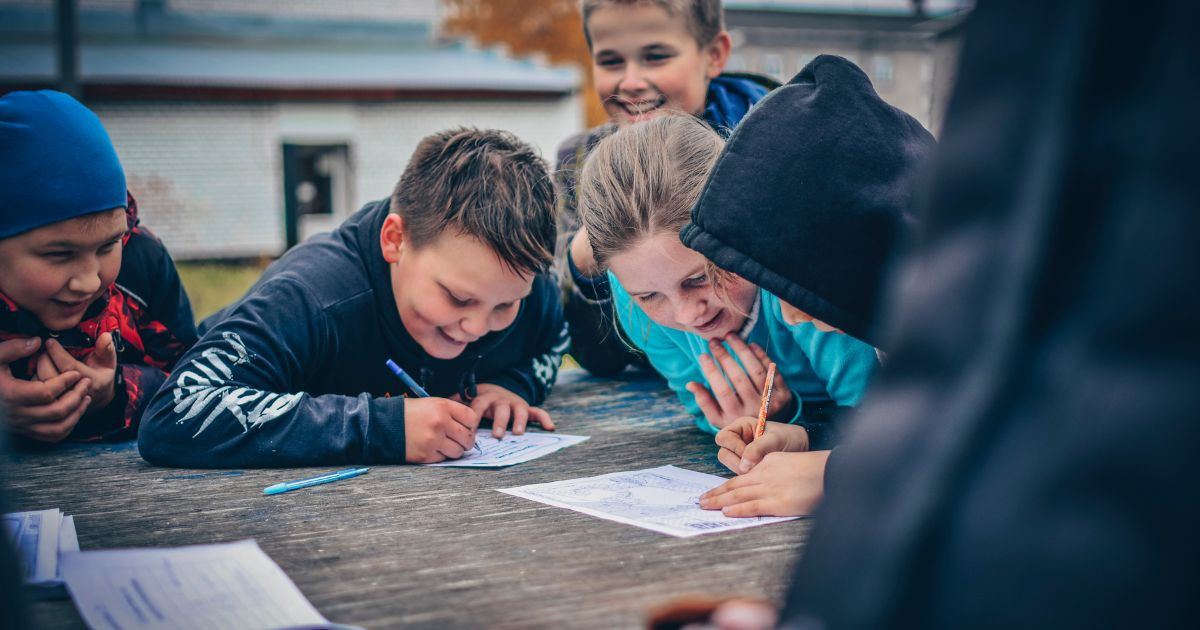
In today's world, it is important for children to develop their skills in collaboration and communication from an early age. These skills are essential not only for personal growth but also for future professional success. In this blog, we will look at how we can support children aged 7 – 9 years to become effective leaders and team players.
Why are Collaboration and Communication Important?
Collaboration and communication are key skills that affect not only individual performance but also the performance of the entire team. Children who learn to work with others will be better prepared for the challenges they will face in school and later in their professional lives. Developing these skills helps children build self-confidence, empathy, and problem-solving abilities.
1. Practical Recommendations for Parents and Teachers
Here are some practical tips on how you can support the development of collaboration and communication in children aged 7 – 9 years:
- Encourage Team Activities: Involve children in team games, sports competitions, or projects where they must collaborate to achieve a common goal.
- Create a Trusting Environment: Allow children to express their opinions and feelings without fear of criticism. This way, they will feel that their opinions are valued.
- Teach Active Listening: Help children recognize the importance of listening to others. You can do this through games where they must repeat what their partner said.
- Encourage Creativity: Let children create their own projects or ideas that they can not only present but also implement together with others.
- Focus on Developing Emotional Intelligence: Teach children how to recognize and express their emotions, which is key for effective communication.
2. Games and Activities for Developing Collaboration
Games and activities are a great way to teach children to collaborate and communicate. Here are some of them:
- Building with Limited Materials: Give children a limited amount of materials (e.g., paper, glue, scissors) and ask them to create a structure together. This way, they will learn to plan and collaborate.
- Information Relay Game: Divide children into pairs. One child shows a picture while the other describes it. The goal is for the second child to draw what was described without seeing the picture.
- Role-playing: Create situations where children must play different roles (e.g., team leader, assistant, customer). This way, they learn different perspectives and communication skills.
- Team Challenges: Organize various challenges where children must collaborate to achieve a common goal (e.g., overcoming obstacle courses).
- Discussion Circle: Organize regular discussions on various topics. Children will learn to argue and listen to others' opinions.
3. Interesting Ideas to Support Leadership Skills
To support leadership skills, you can try the following ideas:
- Mentoring: Involve older children in the role of mentors for younger ones. This way, they will learn what it means to be a leader and responsible for others.
- Personal Projects: Let children work on personal projects that they can present to the class. This way, they will learn how to communicate effectively and defend their ideas.
- Create a Group Blog: Give children the space to create a blog together. This way, they will learn to plan, collaborate, and communicate online.
- Organize a School Event: Involve children in planning and organizing school events, such as sports days or cultural festivals.
- Create Mentoring with Parents: Allow children to participate in discussions with parents about their work and careers, so they can envision what different professions are like.
4. Conclusion
Developing collaboration and communication skills in children aged 7 – 9 years is a key step towards their personal and professional growth. As parents and teachers, we have the responsibility to support them in this effort. By teaching them how to collaborate and communicate effectively, we help them become future leaders who will be able to face the challenges of today's world.


