
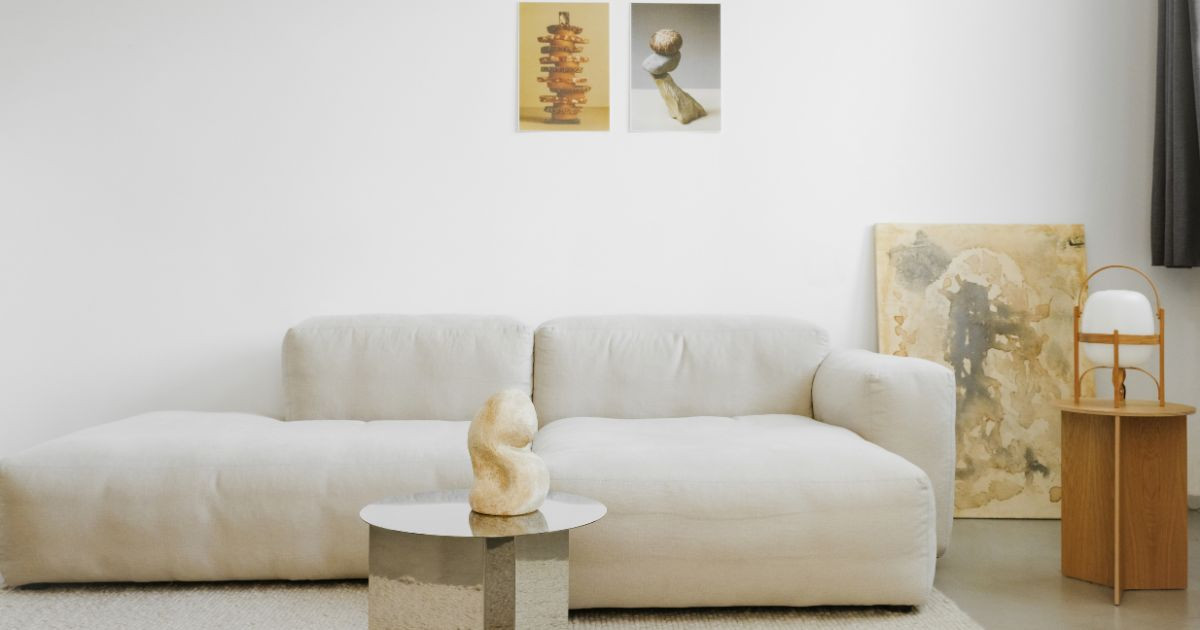
Remote work gives people flexibility, but it can also make it harder to separate work from everything else. When your home becomes your office, clutter can spread quickly: too many apps, too many tabs, too many tasks, and a workspace that never feels settled. Minimalism can help by removing what you do not need and making it easier to focus on what matters most. In this context, minimalism is not about living with as little as possible. It is about keeping your environment, tools, and routines simple enough to support clear thinking and steady work.
A minimalist approach to remote work may help reduce daily friction. If you spend less time searching for files, switching between tools, or managing visual clutter, you may have more attention left for meaningful work and personal time. It can also make the end of the workday feel more definite, which is especially useful when your job happens in the same place where you relax.
Why minimalism can be useful in remote work
Minimalism is often associated with physical possessions, but for remote workers the bigger issue is usually overload. That overload can come from a crowded desk, constant notifications, unclear priorities, or a long list of digital tools. Simplifying these areas can make day-to-day work easier to manage.
- Less distraction: A cleaner workspace and fewer interruptions can make it easier to stay on task.
- Clearer priorities: When you remove low-value tasks and tools, the most important work becomes easier to identify.
- Less mental fatigue: Fewer decisions about where things are, which app to use, or what to do next may reduce unnecessary stress.
- Better work-life boundaries: A simpler setup can make it easier to start work, stop work, and protect personal time.
- More room for creativity: With fewer distractions, some people find it easier to think clearly and solve problems.
These benefits are practical rather than magical. Minimalism will not fix a heavy workload or a poor job design, but it can remove some of the noise that makes those problems harder to handle.
How to start simplifying your remote work setup
If you want to try a more minimalist approach, start with the parts of work that consume the most time and attention. The goal is not to throw everything away. It is to keep what serves a clear purpose and let go of the rest.
1. Review your workspace
Look at your desk, chair area, and nearby storage. Keep only the items you use regularly, such as a laptop, charger, notebook, pen, headphones, and any equipment required for your job. If something sits on your desk for weeks without being used, move it out of sight or remove it entirely.
A simple workspace does not need to look empty. It just needs to be easy to use. For example, a small number of tools placed within reach is often more effective than a perfectly styled desk full of accessories.
2. Cut down on digital clutter
Remote work often becomes messy online before it becomes messy in the room. Too many apps, duplicate communication channels, and crowded inboxes can slow you down. Choose the tools you actually need and remove the ones that create confusion. Unsubscribe from messages you never read, organize files into a few clear folders, and close browser tabs that are no longer useful.
If your work requires several platforms, create a simple system for using them. For example, use one app for team communication, one for tasks, and one for file storage. A consistent setup is usually easier to maintain than a collection of overlapping tools.
3. Define your priorities
Minimalism also applies to how you plan your day. Start by identifying the work that has the greatest impact. Ask yourself which tasks truly move a project forward and which tasks are just busywork. When possible, complete the most important work during the time of day when you are most alert.
This does not mean ignoring smaller tasks forever. It means avoiding the habit of treating every request as equally urgent. A clear priority list can help you focus on fewer things at once, which is often more productive than trying to do everything simultaneously.
4. Create simple routines
Predictable routines can support a minimalist work style because they reduce decision fatigue. You might begin the day by clearing your desk, reviewing your top three tasks, and opening only the tools you need for those tasks. At the end of the day, close your laptop, tidy the workspace, and prepare for tomorrow.
These small habits help signal the difference between work time and personal time. For remote workers, that distinction is often one of the hardest things to maintain.
Practical exercises that may support a minimalist mindset
Minimalism is easier to maintain when it becomes part of everyday behavior rather than a one-time cleanup. Simple exercises can help you notice what is unnecessary and what genuinely adds value.
- 30-day declutter challenge: Remove one physical or digital item each day for a month. This could be an unused cable, an old file, a duplicate app, or an unnecessary browser bookmark.
- Minimalist day: Pick one day each week to reduce nonessential inputs. You might limit social media, silence notifications, or work from a very small list of tasks.
- Mindfulness practice: A few quiet minutes of breathing or meditation may help you notice when your attention is scattered. This can make it easier to choose simplicity over constant stimulation.
These exercises are not required for everyone, and they are not a substitute for practical organization. However, they can help some people become more aware of habits that create clutter.
Common mistakes to avoid
Minimalism can be helpful, but it can also be misunderstood. One common mistake is treating it like a competition to own less or do more with less. That approach can create pressure instead of relief. Another mistake is removing tools or systems before understanding how work actually flows. If a tool saves time and prevents errors, keeping it may be the smarter choice.
It is also important not to confuse minimalism with under-preparing. A workspace should still support your job. If you need a second monitor, a printer, or specialized software, those are not clutter just because they take up space. The real question is whether each item has a clear purpose.
Minimalism, balance, and personal growth
When remote work becomes simpler, it may be easier to notice what supports your well-being and what drains it. That can create room for personal growth, not because minimalism automatically changes your life, but because it removes some of the background noise that makes reflection difficult. With fewer distractions, you may have more space to think about your goals, skills, and values.
This is where minimalism and balance connect. A calmer setup can make it easier to finish work on time, protect rest, and stay more intentional about how you spend your attention. For many people, that is a more realistic path to satisfaction than trying to optimize every part of life at once.
Conclusion
Minimalism in remote work is most useful when it makes your day simpler, not stricter. By reducing unnecessary clutter, limiting digital overload, and building routines that support focus, you may create a work environment that feels calmer and more manageable. The aim is not perfection. It is to keep only what helps you do your best work and live with less friction.
If you are new to the idea, start small: clear one drawer, remove one unused app, or define one daily priority. Small changes are often easier to maintain, and they can show you whether a more minimalist approach fits your work style.


