
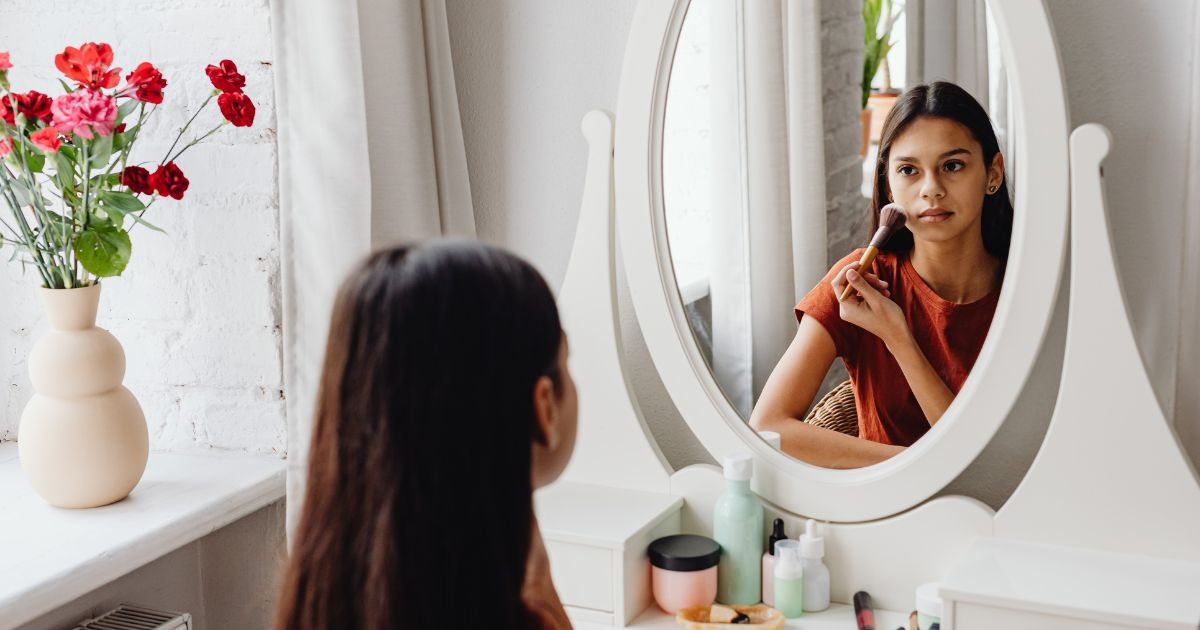
Between the ages of 13 and 15, life can change quickly. Alongside puberty, you may be developing new opinions, friendships, interests, and ideas about the future. Self-reflection can help you understand these changes and make more deliberate choices about how you want to grow.
Personal development does not mean becoming perfect or copying someone else. It means noticing your strengths, identifying skills you want to improve, and learning from your experiences at a realistic pace.
What self-reflection means
Self-reflection is the practice of looking thoughtfully at your thoughts, feelings, choices, and actions. It is different from judging yourself harshly. The aim is to ask what happened, why it happened, and what you might do differently next time.
Regular reflection may help you:
- Build self-confidence: recognizing progress can help you trust your ability to learn and cope with challenges.
- Improve critical thinking: examining your decisions helps you consider consequences and other points of view.
- Develop emotional awareness: naming your feelings can make it easier to understand your reactions and communicate with others.
- Clarify goals: noticing what interests and motivates you can help you choose meaningful next steps.
Simple ways to begin
You do not need special equipment or a long daily routine. Choose one method and try it consistently for a week before deciding whether it helps.
- Keep a short journal: Write for five minutes about what happened, how you felt, and what you learned. You can use a notebook or a private digital document.
- Ask focused questions: Try “What went well today?”, “What was difficult?”, “What did I contribute?” or “What could I try differently tomorrow?” Specific questions are usually more useful than simply writing “How do I feel?”
- Talk with someone you trust: A parent, caregiver, teacher, counselor, or friend may offer another perspective. You can ask them to listen first rather than immediately give advice.
- Make quiet time: Walking, stretching, breathing slowly, or sitting without distractions can give you space to notice your thoughts. Relaxation is an option, not a test you have to pass.
Protect your privacy: a journal is personal, so store it safely and decide what you are comfortable sharing. If writing makes worries feel stronger, pause and speak with a trusted adult instead of forcing yourself to continue.
Turn reflection into personal development
Reflection becomes more useful when it leads to a small, practical experiment. You might notice that you lose focus while studying, feel energized by team activities, or avoid asking questions because you are worried about making mistakes. Each observation can suggest a manageable action.
- Set a specific goal: replace “get better at school” with “review science notes for 20 minutes on Tuesday and Thursday.”
- Start small: choose a step you can complete even on a busy or difficult day.
- Look for opportunities: clubs, sports, creative projects, volunteering, and new subjects can reveal interests and abilities you have not tested yet.
- Review the result: ask what helped, what got in the way, and whether the goal needs adjusting.
Learning from mistakes without giving up
Mistakes and setbacks are information, but they do not define your ability or value. After something goes wrong, separate the event from your identity. Instead of “I am bad at this,” ask:
- What specifically did not work?
- Was the problem preparation, time, understanding, communication, or something outside my control?
- What is one change I can test next time?
- Who could help me practise or understand the problem?
It is also important to notice progress that is easy to overlook, such as asking for help earlier, managing frustration better, or returning to a task after a break. These are real skills.
Keep reflection balanced
There is no need to analyse every thought or make a major life decision at 13, 14, or 15. Interests and goals can change as you gain experience. Personal development is an ongoing process, not a deadline.
Start with one honest question, one small action, and a review after a few days. Over time, this habit can help you understand yourself more clearly while leaving room to change your mind and grow in your own way.


