
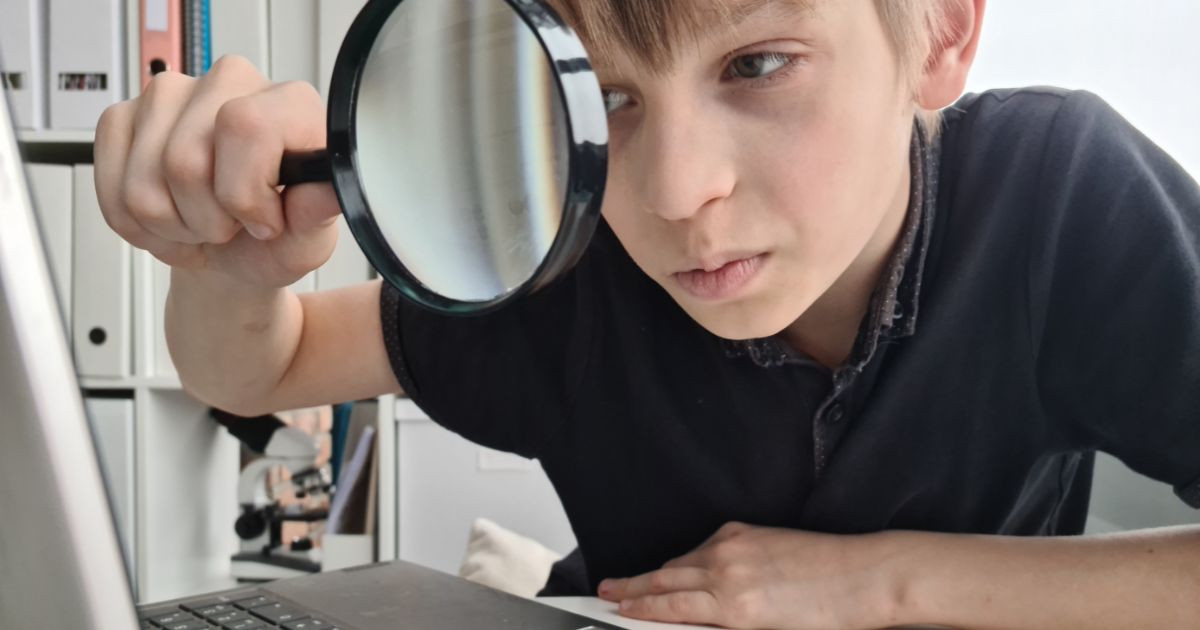
Children between the ages of 10 and 12 are often ready for more than simply following a story from beginning to end. They can compare ideas, notice contradictions, and explain why they agree or disagree with what they read. That makes this a strong stage for building critical thinking through reading.
Reading at this age should not be treated as a passive habit. It can become a way to practise asking questions, checking details, and forming independent opinions. The goal is not to turn every book into a lesson, but to help children read with attention and confidence. When adults guide the process well, children can learn to think more deeply about fiction, nonfiction, news, and even everyday information online.
Why reading supports critical thinking
Critical thinking means more than being smart or remembering facts. It includes the ability to notice what is being said, decide whether it makes sense, and explain why. Reading is useful for this because children constantly meet characters, arguments, facts, and different points of view.
At 10 to 12 years old, many children are ready to move beyond simple comprehension questions. They can start to consider motive, reliability, evidence, and author intent. For example, they may ask why a character acted in a certain way, whether a narrator can be trusted, or whether a nonfiction text leaves out important context. These are the kinds of habits that support stronger analysis over time.
It is also a useful age for noticing the difference between what a text says and what a reader thinks about it. Helping children separate those two ideas can improve both reading comprehension and reasoning.
Practical ways to develop critical thinking through reading
Choose a variety of texts
Children benefit from reading more than one type of material. Fiction can help them think about character motivation, conflict, and perspective. Nonfiction can help them compare facts, identify main ideas, and notice how information is organized. Short articles, biographies, graphic novels, and age-appropriate news pieces can all work well.
A mix of genres also reduces the risk that children see reading as only “school books.” Different formats encourage different kinds of thinking. A story may lead to questions about values or choices, while a science article may raise questions about evidence, definitions, or cause and effect.
Ask open-ended questions after reading
Simple recall questions are useful, but they do not go far enough. Questions that invite explanation are more effective for critical thinking. Try asking:
- Why do you think the character made that choice?
- What evidence in the text supports your answer?
- Do you agree with the author? Why or why not?
- What part of the story felt believable, and what did not?
- What might happen if the story were told from another character’s point of view?
These questions work best when there is no single “correct” answer. The point is to get children to support their ideas with reasons from the text.
Discuss characters, facts, and messages
After reading, talk about more than the plot. In fiction, discuss whether a character’s actions were fair, practical, or impulsive. In nonfiction, discuss whether the text explains its claims clearly and whether it leaves room for doubt. If the material includes a lesson or message, ask whether the child thinks the message is convincing or too simple.
It can help to separate three layers of reading:
- What happened?
- What does it mean?
- Do we agree, and why?
This structure keeps the conversation focused and helps children move from summary to analysis.
Use comparison to deepen understanding
Comparison is one of the easiest ways to strengthen reasoning. Children can compare two characters, two endings, two articles on the same topic, or a book and its film adaptation. Ask what changed, what stayed the same, and why the changes might matter.
When comparing sources, children begin to see that information can be presented in different ways for different purposes. That is an important step toward evaluating texts rather than accepting them at face value.
Turn reading into writing
Writing helps children organize what they think. A short review, response journal, summary, or opinion paragraph can make their thinking clearer. Encourage them to explain not only what they liked, but also why they liked it and what they would change.
Useful writing prompts include:
- What is the most important idea in this text?
- Which detail changed your opinion?
- What question do you still have after reading?
- Would you recommend this book to someone else? Why?
These tasks do not need to be formal. Even a few sentences can help children practise selecting evidence and expressing a viewpoint.
Use simple games to make analysis more active
Games can make critical thinking less intimidating. The best ones require children to ask clear questions, compare possibilities, and justify choices.
- 20 Questions: This game supports logical thinking because children must narrow choices step by step.
- Debate games: Choose a light topic, such as whether dogs or cats make better pets, and ask children to explain their position with reasons.
- Fact or fiction: Mix real and made-up statements related to a story or topic and ask children to identify which are which.
Games like these work best when the atmosphere stays playful. If the child feels judged for being wrong, the activity may lose its value.
How to support good reading habits at home or school
Regular reading time matters, but the environment around reading matters too. Children are more likely to think deeply when adults give them time to respond instead of rushing them toward the “right” answer.
Reading together can be especially helpful. A parent, teacher, or caregiver can model questions such as “What makes you think that?” or “Where did you find that idea in the text?” This kind of support shows children how thoughtful readers work.
Libraries and reading clubs can also help. They expose children to new books and to other readers with different opinions. Sharing reactions in a group can be valuable because children hear that one text can lead to several reasonable interpretations.
Common mistakes to avoid
Some approaches sound useful but do not always help critical thinking in practice.
- Only asking factual questions: These check memory, but they do not encourage analysis.
- Overloading children with too much text: If the material is too difficult, they may focus on decoding rather than thinking.
- Turning every discussion into a test: Children may stop sharing honest reactions if they feel they are being graded all the time.
- Giving opinions without reasons: Adults should model evidence-based thinking instead of only saying what they like.
It also helps to remember that children develop at different speeds. A 10-year-old who struggles with long texts may still be able to compare characters or explain a simple opinion. The activity should match the child’s current reading level and attention span.
Ideas that connect reading with everyday thinking
Critical thinking becomes stronger when children notice it outside books as well. After reading a story or article, you can connect it to real-life situations. For example, ask how they would decide between two options, what information they would need before making a choice, or how they could tell whether a claim seems reliable.
Watching a film after reading the book can also be useful, especially if the child compares the two versions carefully. What did the film leave out? Did it change a character’s personality? Did those changes improve or weaken the story?
These activities help children see that reading is not only about school performance. It is also a way to understand people, evaluate information, and make better judgments.
Building habits that last
The most effective approach is steady and practical. A short conversation after reading, a small writing task, or a simple comparison exercise is often enough. Over time, these habits can help children become more confident readers and more careful thinkers.
The aim is not to make every child an expert critic. It is to help them read with curiosity, notice important details, and explain their ideas clearly. Those skills can support learning in many subjects and make reading more meaningful as children grow.


