
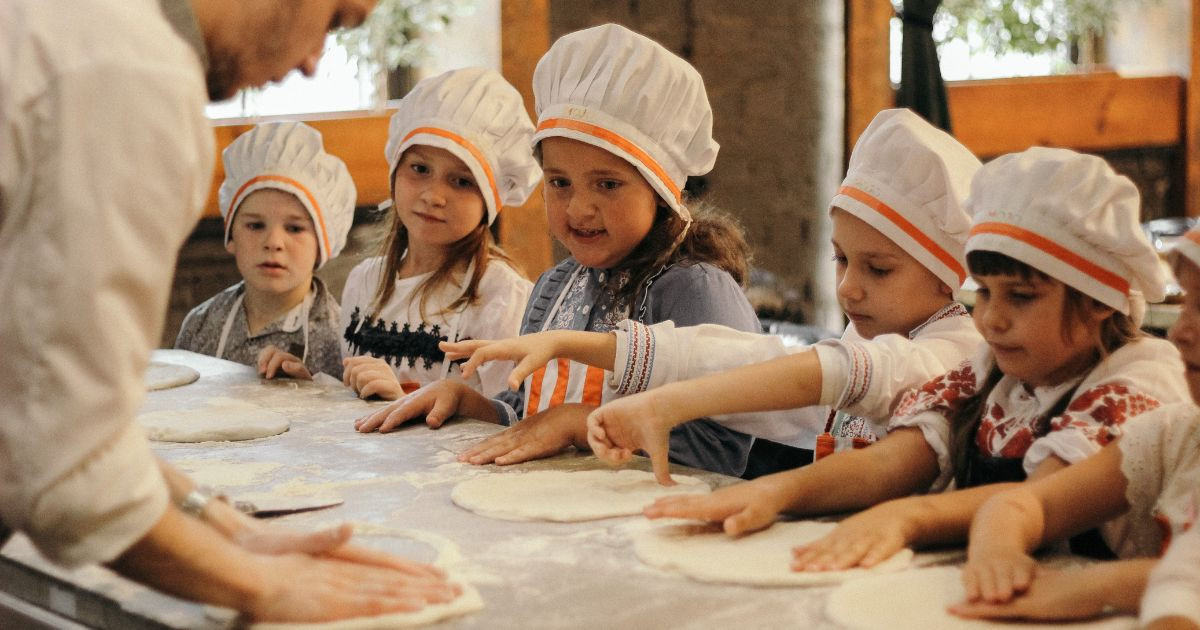
Motivation strongly influences how children learn, take on challenges, and build confidence over time. While the original article links this topic to human resources, the ideas are more broadly useful for parents, educators, mentors, and anyone who supports children’s development. Understanding what drives a child can make it easier to encourage effort without creating pressure or dependence on rewards.
Children are motivated in different ways. Some are driven by curiosity, mastery, or the satisfaction of solving a problem. Others respond more to praise, recognition, or visible rewards. In practice, the most effective approach usually combines both: it supports a child’s internal interest while using external encouragement carefully and intentionally.
Why motivation matters in a child’s development
Motivation affects more than school performance. It shapes whether a child is willing to try something new, recover from mistakes, and keep going when a task feels difficult. A motivated child is often more engaged, more persistent, and more willing to explore strengths and interests.
That does not mean motivation alone guarantees success. Children also need age-appropriate expectations, guidance, and a supportive environment. Motivation works best when it is paired with realistic goals and steady adult support.
Intrinsic and extrinsic motivation
Two common types of motivation are especially important to understand:
- Intrinsic motivation: A child participates because the activity itself feels interesting, meaningful, or satisfying. Curiosity, enjoyment, and the desire to improve are common examples.
- Extrinsic motivation: A child acts because of an outside result, such as praise, stickers, privileges, grades, or recognition.
Both forms can be useful. Intrinsic motivation tends to support longer-term engagement because the child wants to continue the activity on their own. Extrinsic motivation can help children start a task, practice a new habit, or notice progress. The challenge is to avoid relying only on rewards, which can sometimes shift attention away from learning itself.
Practical ways to motivate children
Motivation is often strengthened by small, consistent actions rather than dramatic interventions. These approaches are usually more effective than vague encouragement alone:
- Set clear, achievable goals: Help children focus on one specific step at a time, such as finishing a reading assignment, practicing a skill for 10 minutes, or preparing materials for the next day.
- Notice effort, not just results: Praise persistence, preparation, and improvement. This helps children understand that progress matters even when the outcome is not perfect.
- Encourage curiosity: Let children ask questions, experiment, and explore interests. A sense of choice can make learning feel more personal and engaging.
- Use rewards carefully: Rewards can be helpful when they recognize effort or support a new habit, but they should not replace interest, responsibility, or intrinsic satisfaction.
- Create a supportive environment: Children are more likely to stay motivated when they feel safe, respected, and capable of making mistakes without being shamed.
Simple activities that can support motivation
Motivating activities do not need to be complicated. The goal is to make participation active and meaningful.
- Goal board: Children write down a few short-term goals, then review them regularly to see progress. This works best when goals are specific and realistic, not overly ambitious.
- Group projects: Working with others can help children practice communication, responsibility, and teamwork. It also allows them to learn from peers.
- Learning games and quizzes: Games can make practice feel less formal and more engaging, especially when they reinforce a skill rather than distract from it.
- Choice-based tasks: When possible, let children choose between two or three acceptable options. Even small choices can increase ownership and participation.
Common mistakes to avoid
Well-intended encouragement can lose its effect if it becomes too controlling or too vague. A few common mistakes are worth avoiding:
- Overpraising everything: Constant praise can sound empty and may make children less able to judge their own progress.
- Comparing children to others: Comparison can reduce confidence and may make effort feel less meaningful.
- Setting goals that are too large: Children often need smaller steps to stay engaged and experience success.
- Using rewards as pressure: If rewards feel like a condition for approval, they can reduce interest instead of supporting it.
What parents and educators can do consistently
Adults do not need perfect methods; they need predictable habits. Patience, clear expectations, and routine often make a bigger difference than occasional intense encouragement. Children usually respond well when adults explain what is expected, help them break work into smaller parts, and acknowledge progress along the way.
It is also helpful to remember that children develop at different rates. A child who seems unmotivated in one setting may be highly engaged in another. Looking at context, energy level, confidence, and interest can lead to better support than assuming a child is simply unwilling.
Conclusion
Motivation plays an important role in children’s personal and future professional growth, but it works best when it is supported thoughtfully. By combining curiosity, achievable goals, constructive feedback, and a safe environment, adults can help children build confidence and stay engaged. The most effective support is usually steady, practical, and matched to the child’s needs rather than based on pressure or generic praise.


