
Creativity and innovation are important skills in a child’s development, especially between the ages of 10 and 12, when children are becoming more independent and more aware of other people’s views. At this stage, it is useful to help them generate ideas, solve problems, and also work with limits. One of those limits is compromise: the ability to adjust an idea so a group can move forward together.
Compromise does not mean giving up creativity. In many situations, it means improving an idea so it fits a real goal, a group task, or another person’s needs. When children learn this balance early, they may become better collaborators, more thoughtful problem-solvers, and more confident in expressing their ideas clearly.
Why compromise matters for creative growth
Children aged 10 to 12 often want their ideas to be accepted exactly as they imagined them. That is normal. At the same time, school projects, games, family plans, and friendships all require negotiation. If adults treat compromise as a weakness, children may see it as failure. It is more helpful to present compromise as part of the creative process.
For example, if two children want to design a poster differently, they can combine the strongest parts of each version instead of choosing one winner. This kind of exchange teaches flexibility, listening, and decision-making. It also shows children that good ideas often improve when they are discussed.
Practical ways to support both creativity and compromise
- Invite children to explain their choices. Ask why they prefer one idea, color, ending, or solution over another. This helps them think more clearly and makes it easier to negotiate without turning the discussion into a personal argument.
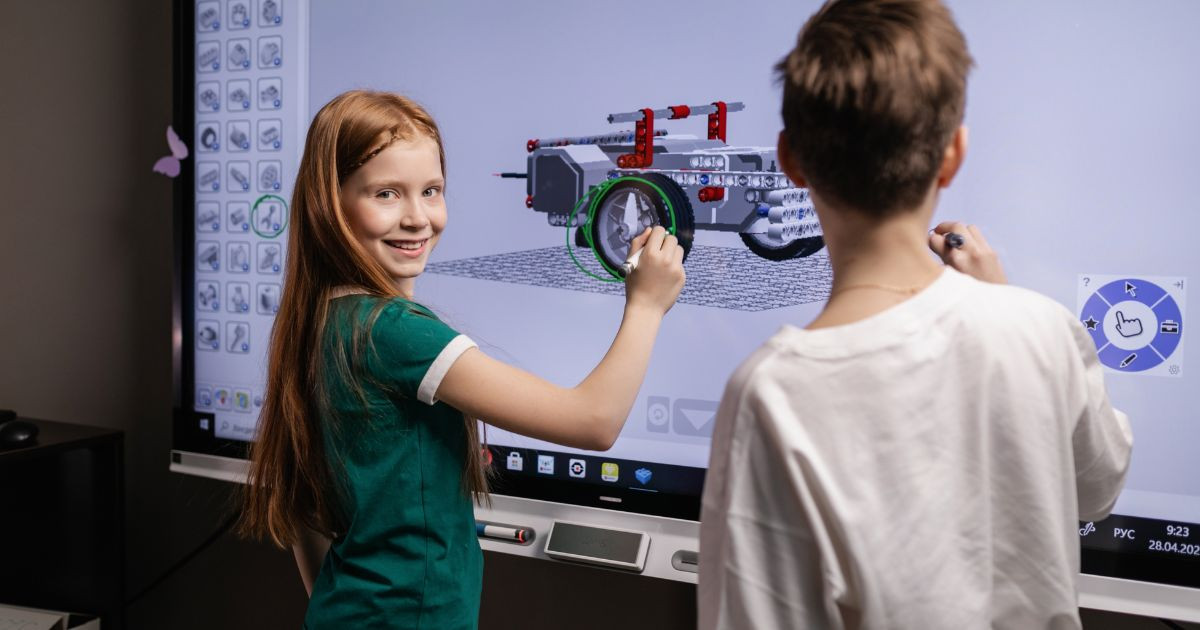
- Use group tasks with shared goals. Team projects work well when children need to agree on a theme, divide roles, or combine different ideas into one result. Tasks such as building a model, planning a presentation, or creating a class poster naturally require compromise.
- Set creative limits. A limited number of materials, colors, or rules can actually make children more inventive. Constraints encourage them to adapt instead of waiting for the perfect condition.
- Normalize revision. Many children believe a first idea should stay unchanged. Show them that changing a plan is part of making it better. Revision is not the same as failure; it is often how a stronger result appears.
- Encourage empathy. Help children consider how another person might think or feel about an idea. Empathy does not remove individuality, but it makes cooperation easier and more respectful.
Activities that build creative flexibility
Creative writing with multiple viewpoints
Ask children to write a short story from the perspective of more than one character. Each character may want something different, so the writer must think about how to connect those wants in a believable way. This activity supports imagination while also teaching children to weigh different viewpoints.
Group design projects
Give a small team one project and ask them to agree on a final plan before they begin. They might design a room, invent a game, or create a fictional product. The important part is not only the final result, but the discussion that leads to it. Children learn to listen, reject ideas politely, and choose solutions that work for the whole group.
Art challenges with rules
Art projects can be more creative when they include a restriction. For example, children may use only three colors, one shape, or recycled materials. These limits encourage problem-solving and show that originality often comes from working within boundaries.
What adults should avoid
It is easy to overpraise any idea simply because it is “creative.” Children also benefit from honest feedback. If an idea will not work, explain why and invite alternatives. This is more useful than vague praise or immediate correction.
Adults should also avoid deciding every conflict for children. If a child never practices negotiation, compromise stays abstract. Guided discussion is usually better than giving the answer straight away. At the same time, compromise should not be forced when a child’s safety, well-being, or basic needs are involved.
Helping children apply these skills in daily life
Compromise can be practiced in small everyday situations: choosing a family activity, sharing materials, planning a game, or deciding how to arrange a classroom project. These moments give children a low-pressure way to test their ideas, listen to others, and find solutions that are fair enough for everyone involved.
Over time, children may begin to see that creativity is not just about having original ideas. It is also about shaping those ideas so they can work in real situations. That combination of imagination, flexibility, and cooperation is useful in school and beyond.


