
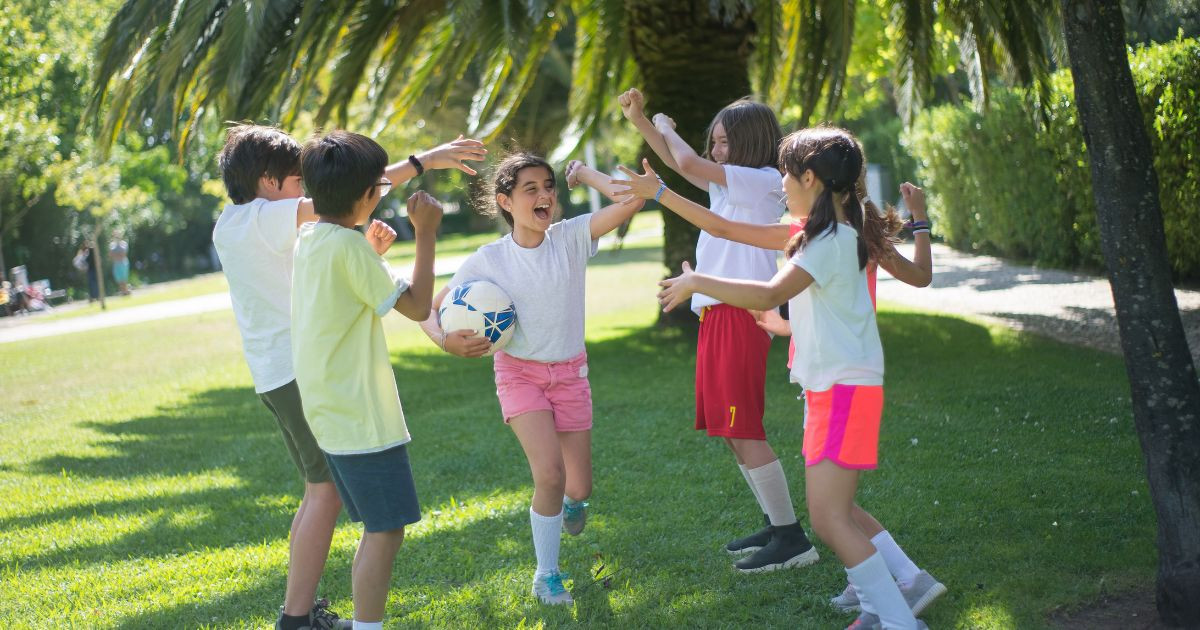
Between the ages of 10 and 12, young people begin taking on more responsibility at school, in sports, and in other group activities. These experiences are useful opportunities to practise teamwork and basic leadership. Leadership does not mean being the loudest person or telling everyone what to do. It means helping a group work well, making thoughtful choices, and treating people fairly.
Why Teamwork Matters
Teamwork means combining different skills, ideas, and efforts to reach a shared goal. A team may complete a school project, prepare for a match, organise an event, or solve a problem together. Good teamwork does not require everyone to think alike; it requires people to listen, contribute, and respect their different roles.
- Shared support: Team members can encourage one another, explain difficult tasks, and celebrate progress.
- Learning from differences: Other people may have skills, experiences, or ideas that you have not considered.
- More creative solutions: Several people can suggest and improve ideas, provided the group gives everyone a chance to speak.
- Shared responsibility: When tasks are divided fairly, each person understands how their effort affects the whole group.
What Basic Leadership Looks Like
Leadership can be formal, such as being chosen as a team captain, or informal, such as helping a group get organised. A young leader does not need to have all the answers. Instead, they help others participate and keep the group focused.
| Leadership skill | What it can look like |
|---|---|
| Clear communication | Explain the goal, check that people understand, and listen without interrupting. |
| Empathy | Notice when someone is worried, left out, or finding a task difficult. |
| Fair decision-making | Consider different suggestions instead of choosing only a close friend’s idea. |
| Conflict resolution | Focus on the problem, avoid insults, and help people find a workable compromise. |
| Reliability | Complete your own task and tell the group early if you need help. |
Listening is part of leading. Asking, “What do you think?” can be more helpful than immediately giving instructions. A leader who shares credit and admits a mistake often builds more trust than someone who tries to control every decision.
Practical Ways to Build These Skills
Teamwork and leadership improve through repeated practice, not through one perfect performance. Try the following steps during a group activity:
- Agree on the goal: Make sure the group knows what it is trying to complete and what “finished” means.
- Share the work: Divide tasks according to people’s abilities and interests, while making sure no one is ignored or given all the difficult work.
- Use respectful language: Replace blame with specific comments such as, “The instructions are unclear; can we check them together?”
- Invite quieter members in: Ask for their ideas without putting them under uncomfortable pressure.
- Review the result: Discuss what worked, what caused difficulty, and what the group would change next time.
You can practise these behaviours in a sports team, school project, club, drama group, or shared household task. You can also observe trusted adults, teachers, coaches, or older students and identify how they explain expectations, handle mistakes, and include others.
Common Mistakes to Avoid
- Taking over: Doing every task may feel efficient, but it prevents others from contributing and learning.
- Confusing confidence with correctness: Speaking loudly or quickly does not make an idea better.
- Ignoring conflict: A small disagreement can grow when nobody calmly addresses it.
- Trying to please everyone: Fair decisions may disappoint someone, so explain the reason and listen to concerns.
- Expecting perfection: Mistakes are useful when the group reflects on them and makes a practical adjustment.
A Balanced Way to Measure Progress
Progress is not measured by always becoming the team leader or winning every disagreement. Look for smaller signs: you listen before responding, complete your responsibilities, help someone participate, or suggest a solution when the group is stuck. Different situations may call for different approaches; sometimes leading means speaking up, and sometimes it means supporting another person’s plan.
With regular practice, teamwork and leadership can help young people handle group responsibilities with greater confidence and consideration. The aim is not to control others, but to contribute reliably, solve problems respectfully, and help the whole team move forward.


