
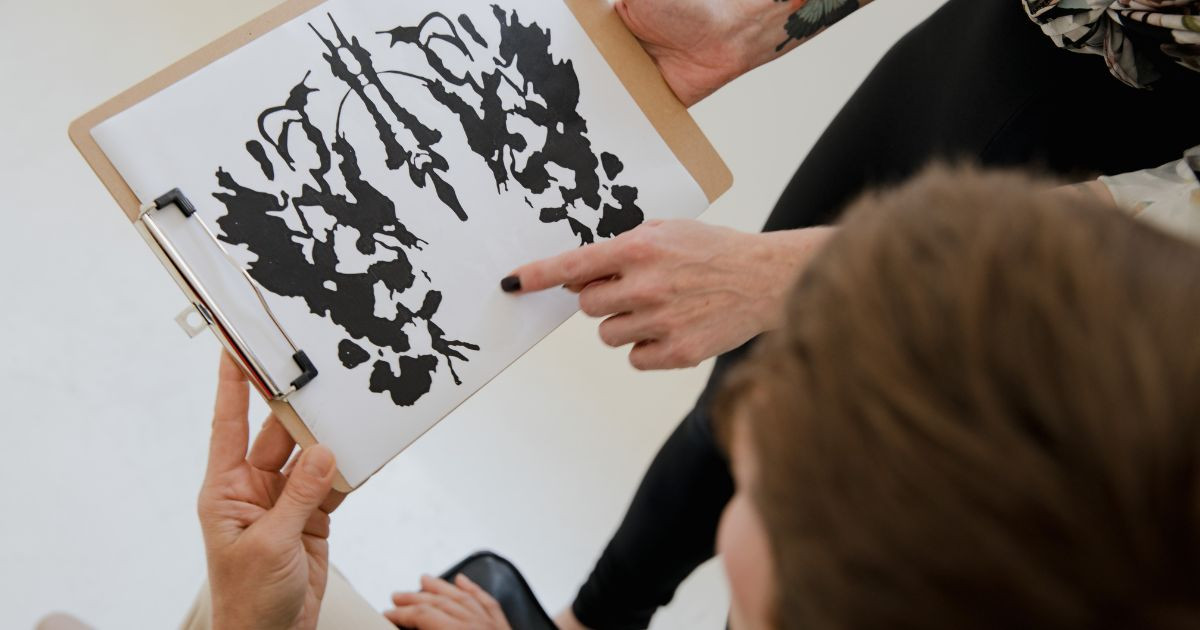
Many repeated conflicts, delays, or overreactions do not come from a lack of effort, but from unconscious behavior patterns. A person often acts on autopilot: replying more sharply than intended, postponing an important task, or adjusting to others even when they disagree internally. Purposeful action can help catch these automatic responses before they begin to shape decisions.
Purposeful action does not mean hardness or constant control. It is more about noticing what repeats, naming it without unnecessary self-judgment, and choosing a path that matches what you truly want. It also helps in conversation, because a dialogue with another person is usually easier when we are not trapped in a defensive reflex and can respond clearly, calmly, and with ease.
Why unconscious patterns keep repeating
An unconscious pattern is, in simple terms, an automated way of reacting. It tends to form where something happens often: criticism, tension, responsibility, pressure to perform, or the feeling that you must always be ready. The mind stores this response as something that works, even when it is no longer useful.
A typical example is a person who immediately starts defending themselves when receiving feedback. Another may face a difficult task and withdraw, pretending they will deal with it later. These behaviors look different on the surface, but the core is similar: an old defense mechanism is triggered to reduce discomfort.
The problem is that an automatic reaction often solves only the immediate feeling, not the long-term goal. It may bring short-term relief, but over time it can slow personal growth, damage relationships, or create unnecessary stress.
What purposeful action looks like in practice
Purposeful action can be understood as the ability to stay with a chosen direction even when discomfort appears. It is not about perfect planning or constant high performance. It is about knowing why you are doing something and not losing sight of that reason at the first unpleasant emotion.
In practice, this may look like the following:
- a person notices that they want to avoid an uncomfortable conversation,
- instead of blaming others right away, they ask what exactly made them uneasy,
- they choose one concrete step, such as asking a clear question instead of staying silent,
- after the conversation, they check whether they reacted according to their goal rather than their momentary fear.
Seen this way, purposeful action does not feel rigid. On the contrary, it can create more ease, because a person no longer has to fight themselves all the time. The frame becomes simpler: what is my goal, what pulls me away from it, and what small step will I take now?
How to spot your own patterns without excessive self-criticism
The biggest mistake is often trying to uncover a pattern through harsh inner judgment. If a person immediately labels themselves as weak, lazy, or difficult, they will likely focus on shame instead of understanding. It is more useful to treat repetition as information.
A simple process can help:
- Name the situation. When does the behavior repeat? During criticism, rejection, fatigue, conflict?
- Notice the trigger. What comes before it? Tone of voice, silence, pressure to decide, uncertainty?
- Name the reaction. Do I escape, avoid, attack, overexplain, or withdraw completely?
- Check the outcome. Did it help in the long run, or only for a moment?
- Choose a small adjustment. What would be 10% different and still manageable?
This approach is more realistic than trying to transform everything at once. Changing a pattern usually takes time. The important point is to recognize that an automatic reaction is not the same as a personality trait. It is a learned response that can be adjusted.
Ease in dialogue as a practical tool
The idea of ease in dialogue is especially useful because many patterns become visible in conversations with other people. If someone expects conflict in advance, they are often tense before they even speak. If they try to appear perfect, they begin to monitor and correct themselves and lose naturalness.
Ease in dialogue does not mean being superficial. It means speaking simply, asking directly, and not filling silence with unnecessary words just to avoid tension. Sometimes it is enough to:
- ask one clear question instead of giving a long explanation,
- admit that you need time to think before answering,
- not read every pause as rejection,
- separate your feeling from the fact,
- avoid immediate defense when you hear an uncomfortable remark.
It is in dialogue that you can see whether you are moving toward your goal or just protecting an automatic response. For example, if someone needs to say, “I disagree,” but does not want to escalate the conversation, they can choose a simple sentence: “I understand what you mean, but I see it differently.” It is direct, non-aggressive, and leaves room for further discussion.
Common mistakes when working with patterns
Three problems often appear in personal growth efforts. The first is expecting quick change. If a pattern has developed over years, it will not disappear after one moment of insight. The second is analyzing everything but changing nothing in practice. The third is believing that if a person “understands themselves,” they should automatically act better. That is not realistic.
It is also important to remember that some behaviors have a protective function. For example, avoiding conflict may be linked to a bad experience, high sensitivity, or current overload. In such cases, the goal may not be to get rid of the response, but to expand the range of ways a person can respond more safely and calmly.
Another mistake is turning purposeful action into pressure. If it becomes just another rule, such as “I must be better at any cost,” it creates a new source of tension. It is more helpful to see it as a compass, not a whip.
What can help with the first steps
If a person wants to work with unconscious patterns in a practical way, they can start very simply:
- choose one repeating situation, not the whole life at once,
- write down what triggers it and how you react,
- notice body signals such as tension in the stomach, faster breathing, or the urge to escape,
- before a conversation, clarify the goal of one sentence or one step,
- after the situation, ask what worked and what to try differently next time.
If someone feels overwhelmed for a long time, stuck in strong anxiety, anger, or hopelessness, it may be appropriate to seek professional help. Self-observation is useful, but it may not be enough for deeper or long-lasting difficulties.
Purposeful action is therefore less about willpower and more about precision. It helps you see what is happening inside before it automatically triggers an old reaction. And when simple, human dialogue is added, there is often more space for calm decision-making, change, and more natural communication.


