
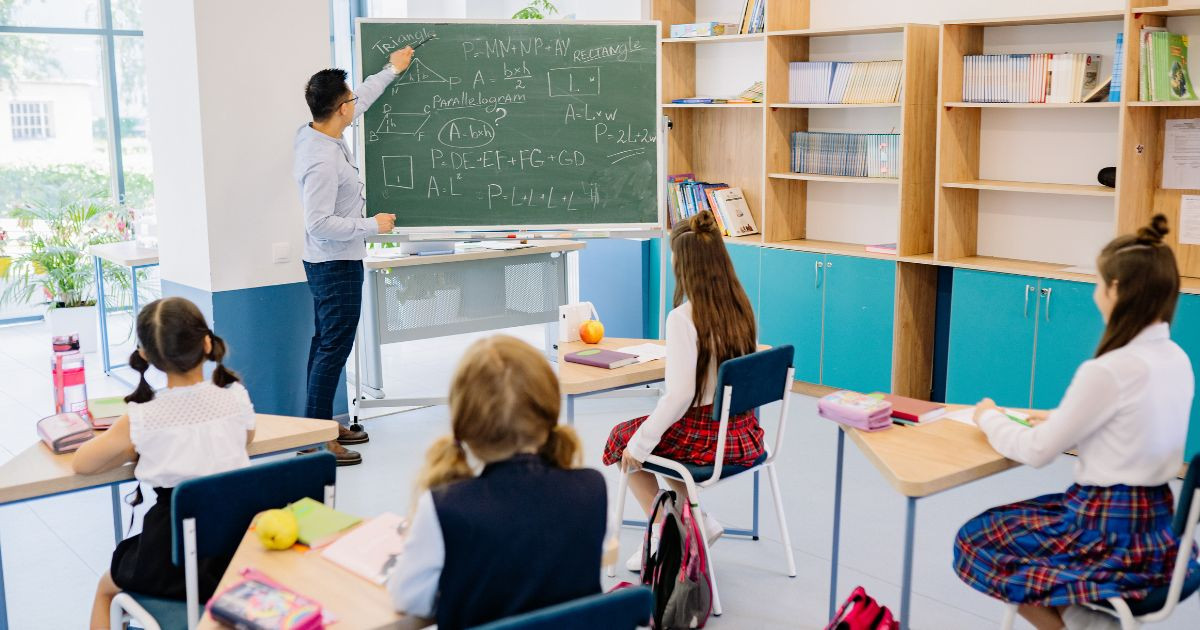
Critical thinking is one of the most valuable skills children and teenagers can develop. It helps them compare information, ask better questions, notice weak arguments, and make more thoughtful decisions. It can also support social skills such as listening, cooperating, and understanding different perspectives. In a world where children are constantly exposed to news, social media, and peer opinions, learning how to separate facts from opinions is increasingly important.
This article explains why critical thinking matters and offers practical ways parents and educators can support it through everyday conversations, games, reading, and group activities.
Why Critical Thinking Matters
Critical thinking is not only about being “good at logic.” In daily life, it helps children:
- recognize the difference between facts, opinions, and assumptions;
- evaluate information instead of accepting it immediately;
- explain their own ideas more clearly;
- listen to other viewpoints without reacting defensively;
- solve problems more calmly and creatively;
- work better with classmates, friends, and family members.
These skills matter in school, but they also matter in social situations. A child who can think critically is often better able to notice misunderstandings, consider another person’s point of view, and avoid jumping to conclusions.
How to Support Critical Thinking at Home and at School
1. Ask open-ended questions
Children learn to think more deeply when adults ask questions that cannot be answered with a simple yes or no. For example:
- What makes you think that?
- How do you know it is true?
- What else could explain it?
- What would happen if we tried a different approach?
These questions encourage children to explain their reasoning. Over time, they learn that their first answer is not always their best answer.
2. Talk through everyday decisions
Small decisions are useful practice. You might ask a child to compare two after-school activities, choose between two ways of solving a conflict, or decide how to divide time between homework and play. The goal is not to make every choice for them, but to show how to weigh options, consequences, and priorities.
3. Use discussions and debates carefully
Structured discussion can help children learn how to present an idea and respond respectfully to disagreement. Keep the focus on ideas, not winning. A useful exercise is to give children a topic and ask them to present both sides before stating their own view. This helps them see that complex issues usually have more than one angle.
Debates work best when the topic is age-appropriate and the atmosphere feels safe. If children feel mocked or attacked, they are less likely to participate honestly.
4. Include games that require planning and reasoning
Games can make critical thinking feel natural and enjoyable. Strategy games such as chess, logic puzzles, card games, and cooperative problem-solving games may help children plan ahead, test ideas, and adjust their approach when something does not work. For older students, simulations such as Model United Nations or mock town meetings can provide more realistic practice.
The value of these activities comes not from competition alone, but from reflecting on choices afterward: Why did that move work? What information did we miss? What could we do differently next time?
5. Use problem-based learning
Children often think more carefully when they are given a real problem to solve. This could be a school project about a local issue, a class challenge, or a practical family task such as planning a budget-friendly event. Ask them to identify the problem, list possible causes, compare solutions, and explain why they chose one option over another.
This approach is especially useful because it connects thinking with action. Children see that critical thinking is not only abstract reasoning; it is a tool for making better choices in real situations.
6. Encourage reading with questions
Critical reading is an important part of critical thinking. When children read an article, story, or online post, encourage them to ask:
- Who wrote this?
- What is the main claim?
- Is the writer giving facts, opinions, or both?
- What details are missing?
- Does this sound convincing, and why?
This kind of reading helps children become more careful consumers of information. It is especially important for teenagers, who are often exposed to short, persuasive content online.
Activities That Strengthen Thinking and Communication
Argument games
Simple “for and against” exercises can help children practice building a case and listening to opposing ideas. You can choose light topics, such as whether homework should be shorter or whether pets should be allowed in classrooms. The aim is not to force a belief, but to practice reasoning.
Storytelling and reflective writing
When children tell stories, they organize events, choose details, and shape meaning. Writing a short story, journal entry, or opinion piece can also help them clarify what they think and why. Teachers and parents can strengthen this by asking follow-up questions such as, “What was the main problem?” or “Why did the character make that choice?”
Group projects
Group work helps children practice both critical thinking and social skills. In a successful project, they need to listen, divide tasks, negotiate roles, and solve disagreements. Projects work best when expectations are clear and each child has a meaningful responsibility. Otherwise, some children may do most of the work while others stay passive.
Role-play and empathy activities
Empathy is closely linked to critical thinking because understanding another person’s perspective often requires careful thought. Role-playing a different character or viewpoint can help children consider how people with different experiences may interpret the same situation in different ways. This can be especially useful when discussing conflicts, fairness, or moral choices.
Common Mistakes to Avoid
When adults try to build critical thinking, a few mistakes can limit progress:
- Giving only the “right answer.” Children need room to explain their thinking, even when they are partly wrong.
- Shutting down questions. Questions are often the starting point of deeper reasoning.
- Using criticism instead of guidance. If children feel embarrassed, they may stop participating.
- Expecting instant results. Critical thinking develops gradually through repeated practice.
- Confusing disagreement with disrespect. Children can learn to challenge ideas politely without becoming rude.
Practical Tips for Parents and Educators
A few consistent habits can make a real difference:
- create a safe space for questions and discussion;
- model how to think aloud by explaining your own reasoning;
- encourage children to compare sources before accepting information;
- praise clear thinking, not just correct answers;
- help them reflect on mistakes without shame;
- give them chances to make age-appropriate decisions independently.
It also helps to match the activity to the child’s age and confidence level. Younger children may respond better to simple choices, stories, and games, while teenagers can handle more complex debates, analysis, and independent projects.
Conclusion
Critical thinking supports more than academic success. It helps children and teenagers communicate clearly, cooperate with others, and navigate information more thoughtfully. The most effective approach is not a single lesson, but regular practice through questions, reading, discussion, games, and real problem-solving. With steady support, children can learn to think more carefully and relate to others with greater understanding.


