
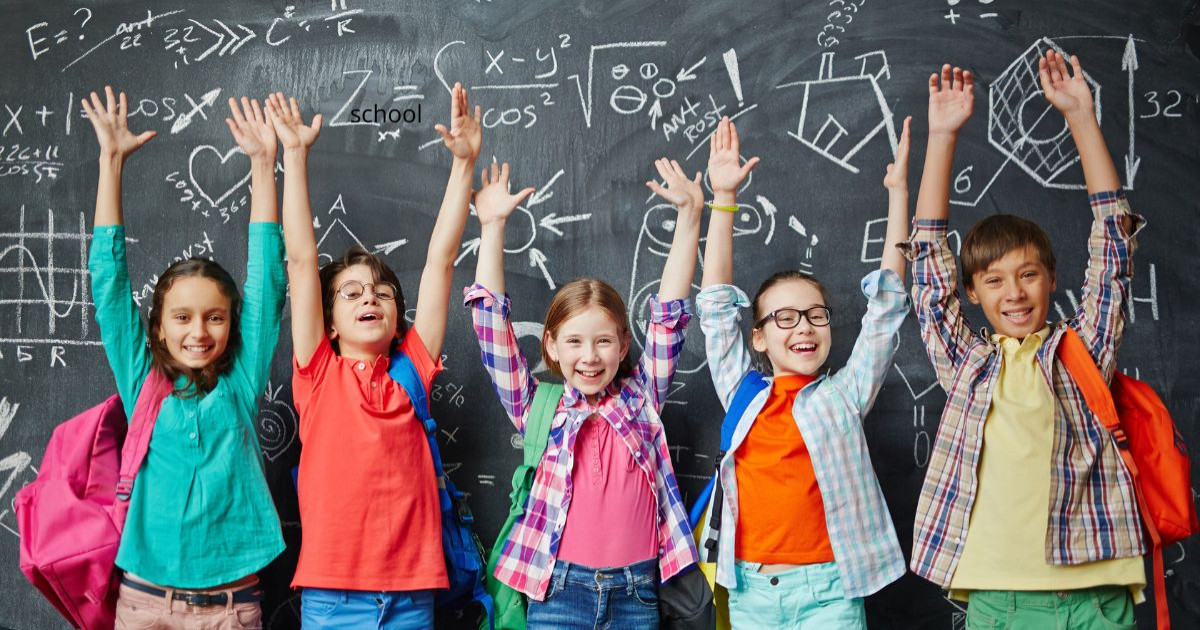
Key Skills for a Happy School: How to Turn Learning into an Adventure Full of Joy and Discovery
School should be a place where children not only acquire knowledge but also discover themselves, their talents, and passions. Building learning habits that foster a joy for learning is crucial for the personal and professional growth of students. In this blog, we will explore how we can transform the school environment into a place where children are motivated, happy, and curious.
In today's world, it is important for teachers and parents to focus on developing key skills such as critical thinking, creativity, collaboration, and communication. These skills enhance learning and make it more meaningful. In the following sections, you will learn what habits we can promote and how we can integrate them into everyday learning.
1. Critical Thinking: Learning with Questions
Critical thinking is the ability to analyze and evaluate information. To support this skill, we can incorporate questions into teaching that encourage children to think deeply. For example:
- “Why do you think this happened?”
- “What would be the consequences if the situation had developed differently?”
- “What are other options we could consider?”
Create an environment where questions are welcome and where children feel safe to share their opinions and thoughts. You can also engage in various activities, such as group discussions or projects, that promote critical thinking.
2. Creativity: Art and Play in Learning
Creativity is another key skill that needs to be developed. Learning can become fun and interesting when we incorporate artistic and creative activities. For example:
- Create a project where children must create their own fairy tale or comic.
- Encourage them to experiment with different materials and techniques in art education.
- Allow them to create a video or presentation on a topic that interests them.
Playing games, such as theater performances or improvisational activities, can also help develop creativity and promote teamwork.
3. Collaboration: Learning from Each Other
Collaboration is essential for developing social skills. Children can learn from each other and create team dynamics. Recommend the following activities:
- Group projects where children divide tasks and help each other.
- Organizing team competitions that promote healthy competition.
- Creating “teaching” groups where children teach their classmates what they have learned.
Such activities foster responsibility and the skills necessary for effective collaboration.
4. Communication: Open Discussions and Sharing Opinions
Communication is the cornerstone of all learning. Children should have space to express their opinions and thoughts. For example:
- Create regular discussions about what children have learned and how they can apply it in everyday life.
- Encourage them to ask questions and discuss various topics that interest them.
- Create an environment where everyone’s opinions are valued and respected.
Such activities promote openness and improve children's communication skills.
5. Fun and Joy: Games and Activities to Facilitate Learning
Learning should be fun and enjoyable. Games and activities can help make learning more pleasant. Incorporate into teaching:
- Educational games that help children understand complex concepts.
- Outdoor activities that combine learning with movement.
- Interactive technologies that make learning more fun and engaging.
Learning thus becomes an adventure that children look forward to.
6. Personal Growth: Self-Reflection and Motivation
Personal growth is an important aspect of education. Children should be encouraged to engage in self-reflection and self-assessment. You can implement:
- Regular evaluations of their progress and goals.
- Techniques such as journals or reflective questions that help children think about their development.
- Motivational activities that encourage children to continuously improve and overcome obstacles.
This way, children learn how to move forward and tackle challenges.
7. Conclusion: Creating a Joyful Environment for Learning
In conclusion, it is important to recognize that the school environment has a significant impact on children's learning. Building learning habits that promote joy and discovery is crucial for their personal and professional growth. By utilizing key skills such as critical thinking, creativity, collaboration, and communication, we can transform school into a place where children feel happy and motivated to learn.
Let us invest in the future of our children and create an environment where learning becomes an adventure full of joy and discovery.


