
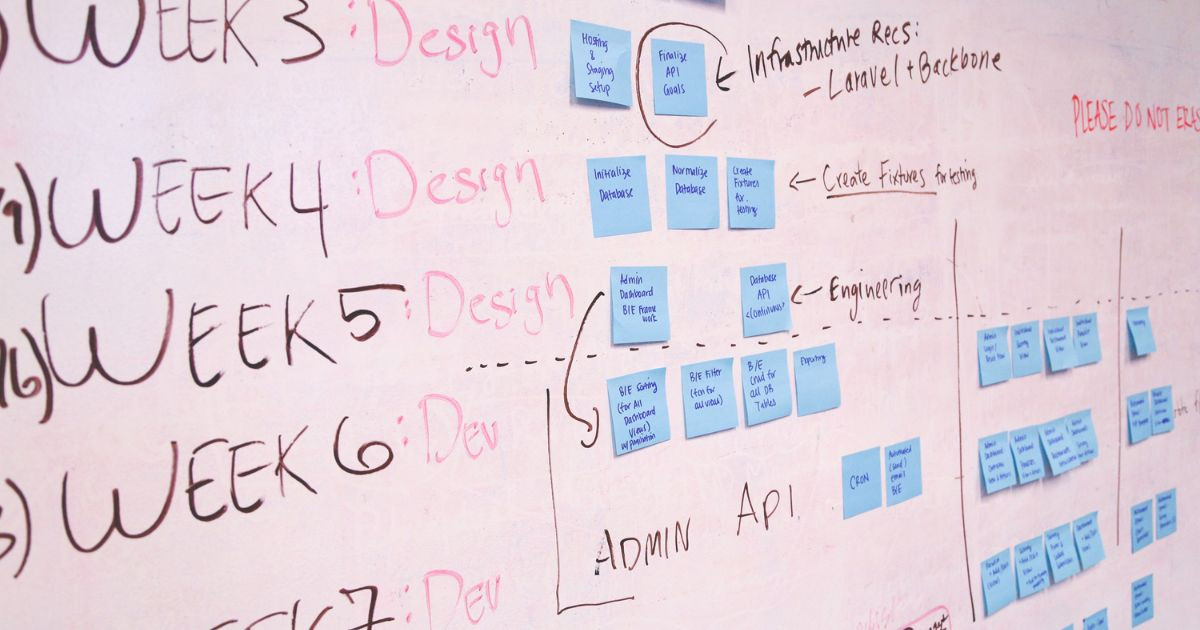
Long-term planning is one of the most reliable ways to support personal and professional growth, especially in a job market where skills, tools, and expectations can change quickly. A good plan does not predict the future, but it helps you respond to it with more clarity and less guesswork. The goal is to decide what you want to develop, how you will learn it, and how you will know whether your approach is working.
Start by defining your goals clearly
Before you choose learning methods, decide what you are trying to achieve. Vague goals such as “improve my career” or “learn more” are difficult to act on. A stronger goal is specific enough to guide your choices. For example, you might aim to qualify for a new role, improve communication skills, learn a new software tool, or build confidence in a subject you use at work.
A simple SWOT analysis can help you think more clearly about your situation:
- Strengths: Skills, experience, and personal qualities you already bring.
- Weaknesses: Gaps in knowledge, habits that slow you down, or areas where you need support.
- Opportunities: Courses, mentors, projects, certifications, or networking possibilities.
- Threats: Competition, changing technology, limited time, or uncertainty in your field.
This kind of analysis is most useful when it leads to action. For example, if one of your weaknesses is limited experience with data analysis, your plan might include a course, regular practice, and a small project that lets you apply what you learn.
Build a learning plan you can actually follow
Once your goals are clear, turn them into a plan with milestones. Breaking a large goal into smaller steps makes progress easier to manage and less overwhelming. It also helps you see whether you are moving in the right direction.
A practical learning plan usually includes three timeframes:
- Short-term goals: Tasks you can complete in days or weeks, such as reading one book chapter, finishing a module, or practicing a skill for 20 minutes a day.
- Medium-term goals: Outcomes you expect over a few months, such as completing a course, building a portfolio piece, or applying a new method at work.
- Long-term goals: Broader results that may take a year or more, such as earning a qualification, changing roles, or becoming proficient in a field.
Write down each step and attach a realistic deadline. If you tend to overplan, keep the system simple. A clear list of priorities is often more effective than an elaborate schedule that you will not use.
It also helps to mix learning methods instead of relying on only one. Different methods serve different purposes:
- Self-study: Books, online courses, webinars, and articles are useful for building background knowledge.
- Group learning: Workshops, peer discussions, and study groups can help you test ideas and stay accountable.
- Practical experience: Projects, volunteering, internships, and workplace assignments help turn knowledge into usable skill.
Use activities that make learning more active
Learning does not have to mean only reading or watching lessons. Active methods can make new ideas easier to understand and remember, especially when you need to use them in real situations. Games and structured activities are particularly useful when they simulate decisions, communication, or problem-solving.
Examples include:
- Simulation exercises: These can help you practice business decisions, project planning, or customer interactions in a low-risk setting.
- Role-playing: Acting out conversations or workplace scenarios may improve communication, negotiation, and teamwork.
- Challenges and competitions: Friendly contests can make practice more engaging, especially when you want to strengthen speed, accuracy, or confidence.
These methods are not replacements for deeper study, but they can complement it well. They are most useful when they are connected to a real skill you need, rather than treated as entertainment on their own.
Review your progress regularly
Long-term planning works best when it is reviewed and adjusted. Needs change, priorities shift, and some strategies turn out to be more effective than others. A monthly review is often enough for most people, though some may prefer a weekly check-in for active projects.
During your review, ask practical questions:
- What did I complete?
- What slowed me down?
- Which learning methods were most useful?
- Do I need to change my timeline?
- Is my current goal still the right one?
This habit helps you avoid two common problems: continuing with an outdated plan and abandoning a goal too early. Adjusting a plan is not a sign of failure. In many cases, it is a sign that you are paying attention to what actually works.
Surround yourself with useful support
Growth is often easier when you are not working alone. A supportive community can provide encouragement, feedback, and practical advice. Mentors may help you understand what skills matter most in your field, while colleagues or peers can share resources and compare approaches.
You do not need a large network. Even a small group of people who share similar goals can be valuable if they are honest, consistent, and willing to learn from each other. If possible, create regular opportunities to discuss progress, obstacles, and next steps. That kind of exchange may help you stay focused and spot problems earlier.
Use technology to stay organized
Digital tools can make learning and planning easier to manage. Task boards, calendars, note-taking apps, and language-learning platforms can support different parts of the process. For example, a tool like Trello can help you organize tasks visually, while apps such as Duolingo can support language practice in short sessions.
Technology is most helpful when it reduces friction. If a tool takes too long to set up or becomes distracting, it may be more trouble than it is worth. Choose tools that fit your routine and make it easier to track what you need to do next.
Keep motivation realistic and steady
Long-term growth usually happens through repeated effort, not sudden breakthroughs. That is why motivation should be treated as something to support, not something you wait for. Small goals, visible progress, and clear deadlines can help you keep moving when the larger goal feels distant.
It can also help to acknowledge progress in practical ways. Finishing a course, completing a task list, or applying a new skill in a real setting are all meaningful signs of advancement. At the same time, it is normal to face slow periods. When that happens, return to the next small step rather than trying to solve everything at once.
Conclusion
Long-term planning and learning strategies work best when they are specific, flexible, and connected to real goals. Clear objectives, a realistic learning plan, regular review, and supportive tools can help you make progress without losing direction. If you focus on steady improvement and adjust when needed, you can build skills that support both personal and professional development over time.


