
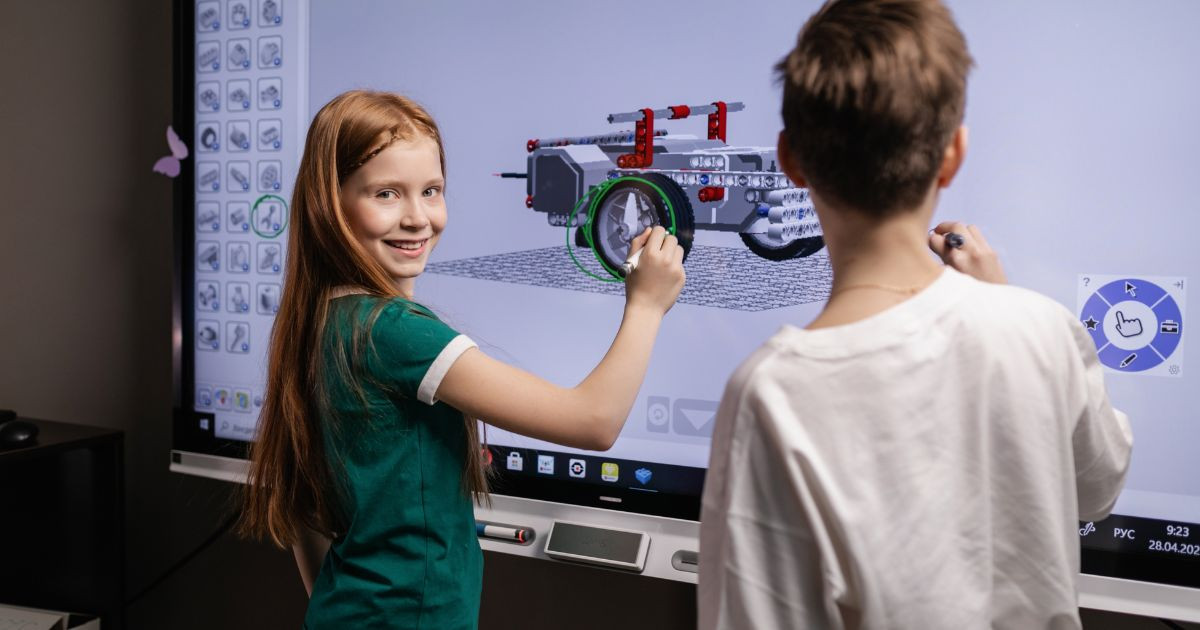
Creativity and innovation are not just useful in art or science classes. For children aged 10–12, they can support curiosity, confidence, problem-solving, and the ability to keep learning as life changes. At this age, children are old enough to plan ideas and work through simple challenges, but they still benefit from guidance, encouragement, and room to experiment.
Lifelong learning starts early because children learn how to approach new tasks long before they face adult responsibilities. If they are given chances to ask questions, try different solutions, and improve their ideas, they are more likely to become flexible learners later on. That does not mean every child needs to be an inventor or artist. It means helping them practice the habits behind creative thinking: observing, imagining, testing, revising, and sharing.
Why creativity matters at this age
Creativity is the ability to generate ideas, make connections, and look at a problem from more than one angle. For children aged 10–12, this can support several important areas of development. It may help them deal with school tasks that do not have one fixed answer, such as writing, science projects, group work, and presentations. It can also support confidence, because children who are used to trying ideas are less likely to give up when something is unfamiliar.
Creativity also helps children develop critical thinking. A child who asks, “What else could work?” or “How can I make this better?” is already practicing a useful learning habit. This is important in a world where information changes quickly and where many future tasks will require adaptation rather than memorization alone.
What innovation means in learning
Innovation is often described as turning ideas into something useful. For children, that may mean building a model, improving a class project, finding a new way to organize a group task, or using technology to present an idea. In education, innovation is not only about advanced tools. It is also about encouraging children to apply knowledge in practical ways.
A child can be innovative when they design a different solution to a homework challenge, improve a game rule so it works better, or create a project that solves a small problem in their class or home. The key is not novelty for its own sake, but learning how to move from idea to action.
How adults can support creative thinking
Children do not become more creative simply by being told to “be creative.” They need an environment that makes creative effort feel safe and worthwhile. Parents and teachers can help by shaping the way tasks are introduced, discussed, and reviewed.
- Ask open-ended questions: Questions such as “What else could you try?” or “How would you explain that idea differently?” encourage children to think beyond the first answer.
- Make room for mistakes: When children see that errors are part of learning, they are more willing to experiment. If every attempt is judged too quickly, they may stop trying new approaches.
- Value process as well as results: Praise effort, planning, persistence, and improvement, not only the final product. This helps children understand that ideas often need revision.
- Offer limited but real choices: Too many options can overwhelm children, but small choices—such as topic, format, or materials—give them ownership of their work.
- Connect learning to real life: A project becomes more meaningful when children see how it relates to a real need, a familiar hobby, or a situation in their community.
Practical ways to build creativity and innovation
Creative skills grow best through regular practice. The following approaches can be used at home or in school without requiring special equipment.
- Use project-based tasks: Give children assignments with an open outcome, such as designing a poster for a school event, planning a small garden, or creating a simple solution to a daily problem.
- Include arts and crafts: Drawing, painting, collage, music, model-making, and other hands-on activities help children express ideas and explore materials in different ways.
- Introduce technology in a purposeful way: Tools such as coding apps, simple robotics kits, or digital design programs can help children turn ideas into products. The tool should support the idea, not replace it.
- Encourage teamwork: Group tasks teach children to listen, negotiate, combine ideas, and improve plans together. This is especially useful for innovation, which often depends on collaboration.
- Create space for sharing: Short presentations, idea boards, or class discussions give children practice explaining their thinking and learning from others.
Games and activities that encourage creativity
Play is one of the easiest ways to develop creative habits. Well-designed activities can help children think flexibly while still feeling relaxed and engaged.
- Brainstorming games: Choose a topic and ask children to list as many ideas as possible in a set time. The goal is quantity first, not perfect answers.
- Story building: Start a story with one sentence and let each child add a new event, character, or problem. This supports imagination and listening skills.
- Role-play: Children can act out real or fictional situations, such as solving a problem in a store, presenting a product, or helping a community.
- Building challenges: Give children blocks, LEGO, or recycled materials and ask them to build a bridge, shelter, vehicle, or machine with a clear purpose.
- Idea combination games: Mix two unrelated prompts, such as “a school lunch and a spaceship,” and ask children to create a new concept from them.
Project ideas that make creativity concrete
Projects work best when they are specific enough to start, but open enough for children to make decisions. These examples can be adjusted to suit age, time, and available materials.
- Create a class or family magazine: Children can write articles, draw illustrations, interview others, and decide on a theme. This combines writing, design, and teamwork.
- Plan a small exhibition: Children can display artwork, models, or science projects at school or at home. Presenting their work helps them reflect on what they made.
- Work on a community project: Activities such as cleaning a local park, collecting books, or organizing a donation drive help children see how ideas can benefit others.
- Make a short video or podcast: Children can explain a hobby, review a book, or discuss a question that interests them. This supports planning, communication, and editing.
- Invite a simple expert talk: Meeting someone from a practical field, such as a designer, engineer, gardener, or baker, can help children see how ideas are used in real work.
Common mistakes to avoid
Adults sometimes block creativity without meaning to. A few common mistakes can make children less willing to take risks.
- Overcorrecting every idea: If adults focus only on what is wrong, children may stop offering original suggestions.
- Rushing to give the answer: Solving the problem for the child can be faster, but it removes the learning opportunity.
- Using creativity only as a reward: Creative tasks should not appear only after “real work” is done. They are part of learning, not an extra.
- Expecting polished results immediately: Children at this age are still learning how to plan and revise. Early drafts are supposed to be imperfect.
- Confusing freedom with no structure: Children often do better when they have a clear goal, time limit, and simple rules.
The role of parents and teachers
Parents and teachers both influence whether children feel safe enough to experiment. The most helpful approach is usually consistent encouragement, clear expectations, and interest in the child’s ideas. When adults share projects, compare strategies, and discuss what worked or did not work, children learn that learning is an active process.
It also helps when home and school support each other. If teachers encourage open-ended projects, parents can continue that habit with questions, materials, or simple activities at home. If a child is interested in drawing, building, coding, music, or writing, adults can look for small ways to keep that interest alive without turning it into pressure.
A balanced view of creativity and innovation
Creativity and innovation matter, but they should not be treated as talent only a few children have. These are skills that can grow through practice, like reading, speaking, or problem-solving. Some children will prefer art-based expression, while others may show creativity through puzzles, science, organization, or practical solutions.
The goal is not to push every child toward the same kind of output. It is to help children discover that their ideas have value, that improvement is possible, and that learning can continue in many different forms. When children aged 10–12 gain that experience, they are better prepared not only for school but also for the changing demands of everyday life.


