
How to Foster Curiosity and Joy of Learning in Children
In today's world, filled with information, technology, and new discoveries, curiosity is one of the most valuable traits we can nurture in children. Curiosity is the engine of learning and development, and when it is nurtured in children, it leads to a lifelong interest in discovering new things. This blog focuses on ways we, as parents, teachers, or caregivers, can develop curiosity and joy of learning in children. We will explore various activities, games, and tips that can be useful for anyone trying to awaken a desire for knowledge in children.
Why is Curiosity Important?
Curiosity is a fundamental prerequisite for learning. Curious children actively ask questions, explore, and experiment. This helps them develop critical thinking, creativity, and problem-solving skills. Curiosity also supports emotional and social development, as children learn to collaborate with others and share their knowledge. Here are some reasons why we should encourage curiosity in children:
- Supports Learning: Curious children are more engaged in learning and open to new experiences.
- Develops Critical Thinking: Exploring and asking questions leads to a better understanding of the world around us.
- Stimulates Creativity: Curious children are more often creative and able to come up with new ideas.
- Emotional Development: Curiosity fosters empathy and sharing knowledge with others.
Activities to Foster Curiosity
There are many ways we can support children's curiosity. Here are some activities you can try:
- Science Experiments: Organize small experiments, such as growing plants, observing insects, or exploring water. Children can learn about nature and experiment with different factors.
- Reading and Storytelling: Read books to children and encourage them to ask questions about the story and characters. You can also give them space to create their own stories.
- Exploration Games: Play games with children that encourage exploration, such as scavenger hunts or geocaching.
- Creating Projects: Let children carry out their own project on a topic that interests them. This could be building a model, creating a presentation, or even a small science project.
- Open-Ended Questions: Use open-ended questions in discussions with children that encourage them to think. For example: "Why do you think this is happening?" or "How could you do this differently?"
Games and Activities to Support Learning
Games are a great way to develop curiosity and learning in a fun way. Here are some games you can incorporate into daily activities:
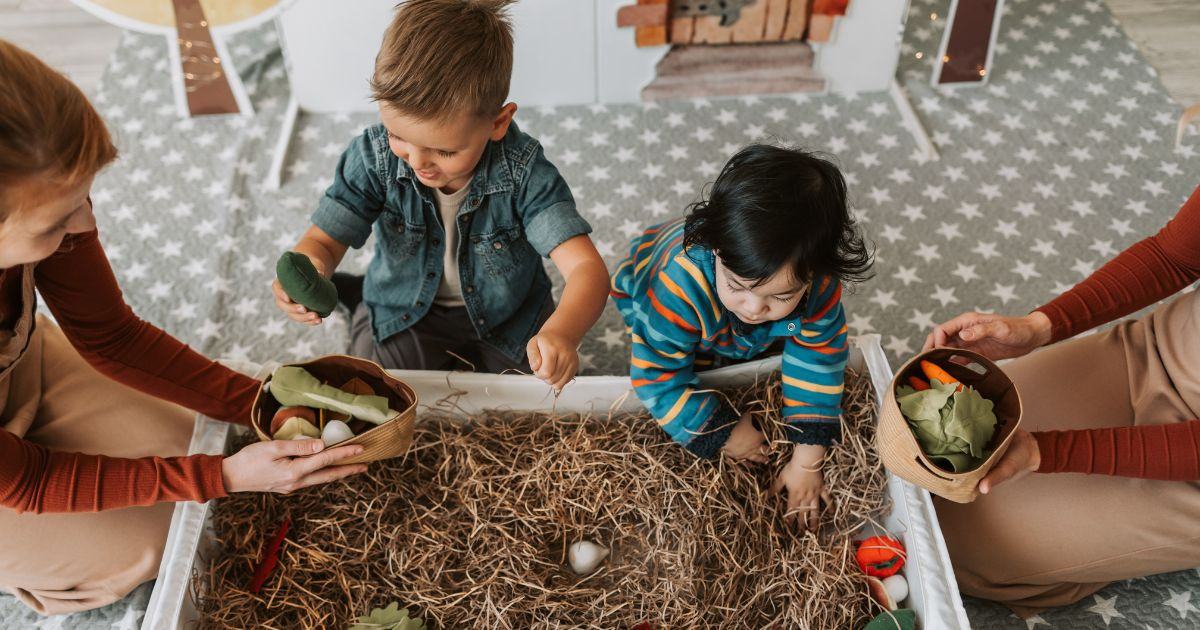
- Scientist Game: Give children simple scientific tasks, such as exploring different materials (e.g., sand, water, leaves) and let them find out what happens when they combine them.
- Detective Game: Create a detective story where children must solve a mystery. You can give them clues and let them ask questions to arrive at the solution.
- Building Kits: Use building kits to promote creativity and logical thinking. Children can create various constructions and experiment with balance and stability.
- Question Games: Play a question game where you ask each other questions about different topics. You can choose topics like animals, space, history, and so on.
Tips for Supporting Curiosity in Daily Life
In addition to games and activities, we can also support curiosity in children in everyday life. Here are some tips:
- Be Open to New Experiences: Show children that learning and trying new things is fun. Engage in new activities together.
- Encourage Questions: When children ask questions, give them time and attention. Answer their questions, and if you don't know, encourage them to look it up themselves.
- Create a Learning Environment: Keep libraries, art supplies, and experimental materials at home so children have access to various resources.
- Praise Curiosity: Appreciate when children show curiosity and try to learn something new. This will encourage them to continue seeking new knowledge.
Conclusion
Fostering curiosity and joy of learning in children is an important part of their personal and professional growth. When we support curiosity, we help children become active participants in the world around them. Let’s not forget that learning should be fun and exciting. By using various activities, games, and tips, we can help children discover the beauty of knowledge and learn with joy. So don’t hesitate and start developing curiosity in your children today!


