
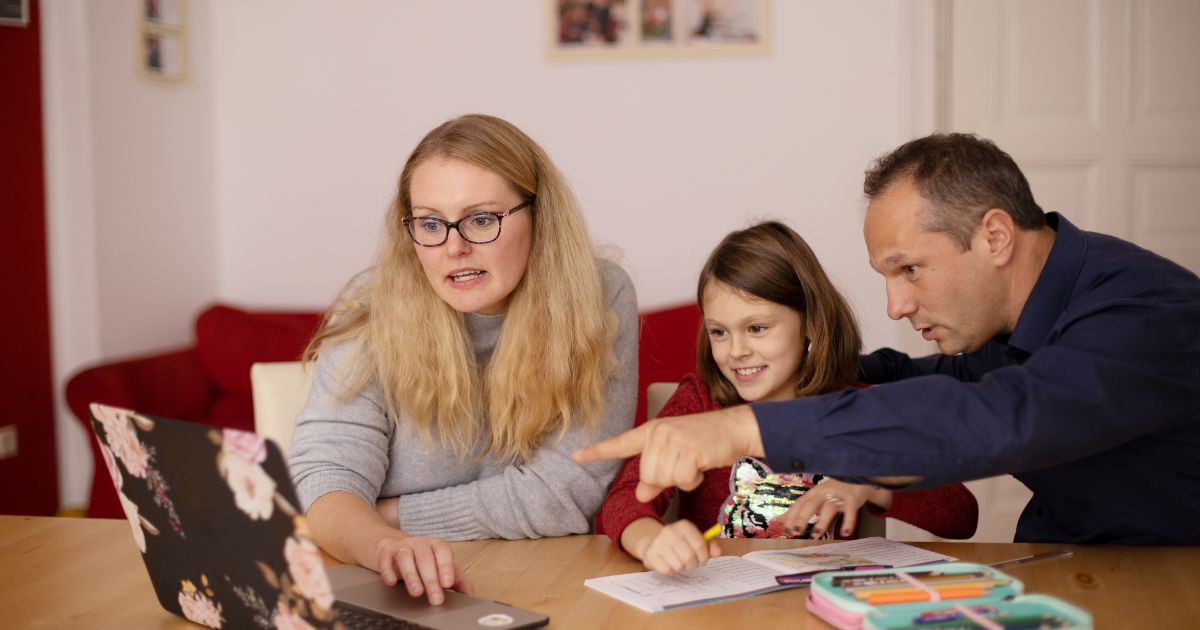
Raising children with respect means setting clear boundaries while also listening, explaining, and making space for feelings. Handmade creativity can support that approach because art and craft activities give children a safe way to express themselves, practice patience, and work with others. Used well, these activities are not just entertainment; they can become simple tools for connection, communication, and family cooperation.
Handmade creativity includes many shared activities, from drawing and painting to collage, scrapbooking, model making, and simple crafts. The value is not in producing a perfect result. The real benefit comes from the process: choosing materials, making decisions, solving small problems, and talking through ideas. That process can help children build confidence and learn that other people’s ideas and feelings matter too.
How Art and Craft Support Respectful Parenting
Respectful parenting depends on more than saying “be polite.” Children need repeated experiences that show them how respect works in practice. Creative activities can help with that because they naturally involve turn-taking, listening, sharing materials, and making compromises.
For example, when a child wants to use a certain color but a sibling is already using it, the parent can guide the situation calmly: wait for a turn, choose another color, or find a way to share. That kind of moment is small, but it teaches an important lesson about boundaries and cooperation without turning every disagreement into a punishment.
Art activities may also help children put feelings into words. Some children find it easier to draw frustration, excitement, or worry than to explain it directly. A parent does not need to interpret every picture, but asking simple questions such as “Can you tell me about this part?” or “What was fun about making it?” can open a conversation and strengthen trust.
Why Handmade Creativity Is Useful
Handmade activities can support family life in several practical ways:
- Fine motor practice: Cutting, folding, painting, and gluing may help children improve hand control and coordination.
- Self-expression: Creative projects give children a way to show ideas and emotions that may be hard to say out loud.
- Confidence building: Completing a project, even a simple one, can help children feel capable and proud of their effort.
- Patience and persistence: Craft projects usually involve mistakes, changes, and small frustrations, which gives children a chance to practice staying calm.
- Family connection: Shared creative time can create a relaxed setting for conversation and cooperation.
These benefits do not happen automatically. They are stronger when adults stay present, set reasonable expectations, and avoid taking over the activity. If a parent corrects every detail, the child may feel judged instead of supported.
Practical Activities That Encourage Respect
1. Painting Feelings
Give children paper and a small set of colors, then invite them to paint how they feel today. You can use prompts such as “Choose a color for calm” or “Show what anger looks like.” After the activity, ask the child to describe the picture in their own words. This can help children connect emotions with language and may make difficult conversations feel less threatening.
2. Drawing Family Moments
Ask children to draw a favorite family memory, a typical day at home, or each person in the household. Once the drawing is finished, talk about what each family member contributes to daily life. This can lead naturally to conversations about appreciation, responsibility, and why respect matters in a family.
3. Making a Personal Journal
A simple notebook can become a creative journal. Children can decorate the cover, paste in pictures, draw weekly highlights, or write short notes about what they learned. A journal may support self-reflection and help children notice their progress over time. For younger children, drawings and stickers may work better than writing.
4. Shared Craft Projects
Choose one project that requires cooperation, such as making decorations, assembling a box for keepsakes, creating a handmade card, or building a simple toy from safe materials. Shared projects are useful because they require planning together. Parents can use them to model respectful behavior by dividing tasks fairly, listening to ideas, and handling mistakes without blame.
5. Story Building
Create a story as a group, with each person adding one sentence or one idea at a time. This activity encourages listening because each new part has to connect with what came before. It also teaches children that different ideas can fit together without one person controlling the whole process.
Simple Games That Reinforce Respect
Respect Actions Game
Make a list of everyday actions that show respect, such as waiting for a turn, asking before borrowing, saying thank you, or listening without interrupting. Then choose a few and act them out together. This works best when the examples are specific and age-appropriate, not abstract rules children may not understand.
Perspective-Taking Game
Take turns pretending to be another family member in a common situation. For example, one person can act out what it feels like to be interrupted, ignored, or included in a game. Keep the tone light, but use the moment to discuss how different actions affect others. This may help children develop empathy and better understand why respectful behavior matters.
Family Rule-Making
Invite children to help create a short list of family rules for art time or daily life. Rules might include cleaning up materials, using kind words, asking before touching someone else’s work, and giving everyone a chance to speak. Writing the rules together makes them feel shared rather than imposed, which can increase cooperation.
How to Make These Activities Work at Home
To get the most from handmade creativity, keep the process simple and realistic. Use materials you already have when possible: paper, crayons, recycled boxes, glue, fabric scraps, buttons, or old magazines. A tidy, prepared space also helps children focus better and reduces frustration.
It is usually better to choose short activities that match a child’s age and attention span. Younger children may enjoy five to ten minutes of painting or collage, while older children may want longer projects. If the project becomes too complicated, children can lose interest or become upset. In that case, it is better to simplify the task than to push for completion.
Parents should also avoid turning every project into a lesson. A creative activity can support respectful parenting without becoming a lecture. Ask open-ended questions, praise effort, and notice cooperation. For example, “You waited for your sister to finish,” or “You solved that problem by trying a new idea.” Specific feedback is more useful than general praise like “Good job.”
At the same time, creativity should not be used to avoid boundaries. If a child is being unkind, throwing materials, or refusing to follow agreed rules, the parent still needs to respond clearly. Respectful parenting includes calm limits as well as encouragement. The goal is not to ignore behavior problems, but to handle them in a way that teaches rather than humiliates.
Common Mistakes to Avoid
One common mistake is focusing too much on the finished product. When adults care more about neatness than participation, children may stop enjoying the activity or avoid trying new things. Another mistake is comparing children’s work with one another. Each child develops at a different pace, and comparison can undermine confidence.
It is also helpful to avoid correcting every small detail. If a child wants to use unusual colors or make a lopsided shape, that choice may be part of the learning process. Unless safety is involved, leaving room for individual expression can make the activity more meaningful.
Finally, do not assume that a single craft session will solve family conflict or teach respect on its own. Handmade creativity works best as part of a broader parenting approach that includes consistency, listening, and predictable boundaries.
Additional Resources
If you would like to explore the topic further, you can look for books, parenting courses, and family-activity resources that focus on respectful communication and creative learning. One well-known parenting book is Parenting with Respect by authors such as Daniel Siegel and Tina Payne Bryson. You may also find useful online courses about parenting and creativity on platforms such as Coursera and Udemy, as well as blogs and podcasts that focus on family life and hands-on activities.
Handmade creativity is not a substitute for thoughtful parenting, but it can make respectful parenting easier to practice in daily life. When children create, share, and solve small problems with an adult beside them, they get repeated experience with cooperation, patience, and self-expression. That experience can support a calmer home and stronger family relationships over time.


