
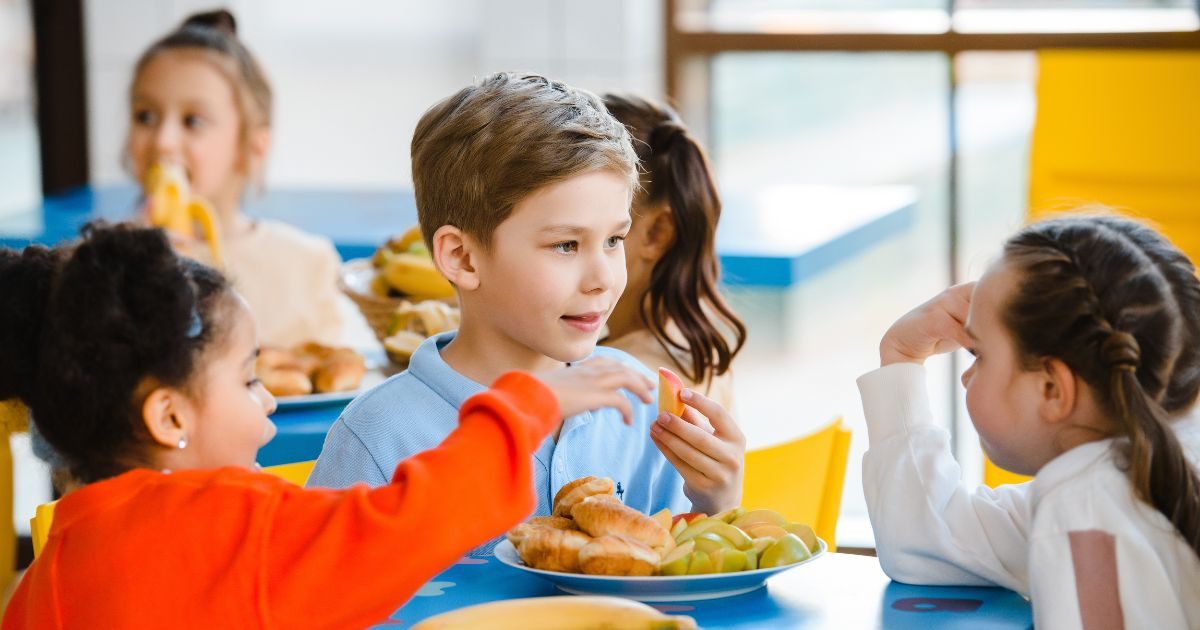
Children aged 7 to 9 are learning more than reading, writing, and arithmetic. They are also learning how to notice feelings, manage frustration, recover from mistakes, and relate to other people. At this age, emotional skills can strongly influence how well a child concentrates, cooperates, and handles everyday challenges.
Supportive adults do not need to “fix” a child’s emotions or remove every difficult feeling. A more realistic goal is to help children recognize what they feel, put those feelings into words, and respond in healthier ways. That kind of emotional connection may support focus, empathy, self-confidence, and better relationships at home and at school.
This article explains why emotional connection matters for children ages 7–9 and offers practical ways parents and educators can support it through conversation, routines, games, and everyday examples.
Why emotional connection matters at this age
Between the ages of 7 and 9, children become more socially aware. They compare themselves with others, care more about approval, and often become more sensitive to fairness, criticism, and failure. They may also be able to explain feelings better than younger children, but still struggle to regulate strong emotions in the moment.
When adults help children understand emotions early, children may find it easier to:
- Stay focused: A child who feels understood is often less overwhelmed by stress or conflict and may return to a task more easily.
- Work with others: Children who can name feelings are usually better able to notice how classmates or siblings might feel.
- Build confidence: Learning that emotions are manageable can help a child feel more capable when something goes wrong.
- Recover from disappointment: Emotional support can make setbacks feel less threatening and help children try again.
These benefits do not happen overnight, and emotional learning does not replace academic support. But it can create conditions that make learning and social growth easier.
What adults can do to support emotional growth
Children learn about emotions mainly through daily interactions. The most effective support is usually simple, consistent, and calm. Instead of long lectures, children benefit from repeated examples of how emotions are noticed, named, and handled.
1. Make emotions safe to talk about
Children are more likely to open up when they know they will not be mocked, rushed, or punished for having feelings. That does not mean every behavior is acceptable. It does mean the feeling itself should be taken seriously.
For example, instead of saying, “There is nothing to cry about,” try:
- “I can see that this really upset you.”
- “You seem disappointed. Do you want to talk about it?”
- “It’s okay to be angry. Let’s figure out what to do next.”
Accepting the feeling often makes it easier to address the behavior afterward.
2. Use clear questions that invite reflection
Children may not always volunteer what they feel, especially if they are tired, embarrassed, or unsure how to explain it. Simple questions can help them notice patterns and connect feelings to events.
- “What was the best part of your day?”
- “What made you feel frustrated today?”
- “When did you feel proud of yourself?”
- “What happened right before you got upset?”
Questions like these work best when asked calmly and without pressure. If a child does not answer, it may help to try again later.
3. Model emotional honesty
Children pay close attention to how adults handle stress. If parents or teachers name their own emotions in a steady, respectful way, children learn that feelings are normal and manageable.
Examples include:
- “I’m frustrated, so I need a minute before we keep talking.”
- “I’m happy with how we solved that problem.”
- “I made a mistake, and I need to fix it.”
This kind of modeling is more useful than pretending to be calm all the time. Children learn from seeing emotions handled responsibly, not from seeing them denied.
4. Connect behavior to feelings and choices
Some children act out because they do not yet know how to separate the feeling from the action. Adults can help by explaining that a feeling may be understandable even when a behavior needs correction.
For example:
- “It makes sense that you were angry, but hitting is not okay.”
- “You were disappointed, but slamming the door hurts others.”
- “You felt embarrassed, and that’s hard. Let’s talk about what you can do next time.”
This distinction helps children learn self-control without feeling shamed for having emotions.
Practical activities that build emotional awareness
Games and simple exercises can make emotional learning easier, especially for children who find direct conversations uncomfortable. The goal is not entertainment alone; the activity should help children notice and label emotions in a memorable way.
Emotion memory game
Create cards with faces showing different feelings such as happy, sad, angry, worried, proud, or disappointed. A child can match pairs and then describe a time when they felt each emotion. This supports both recognition and language development.
Theater of emotions
Acting out short scenes can help children understand facial expression, tone of voice, and body language. One person can act out a feeling while the others guess it. You can also ask the child to show how the same situation might look when someone is calm, angry, or nervous.
Feelings journal
For some children, writing or drawing helps them process emotions more easily than speaking. A simple journal can include:
- one thing that happened today,
- the feeling it caused,
- what the child did,
- what might help next time.
This is especially useful for children who repeat the same emotional patterns, such as becoming frustrated during homework or withdrawn after conflicts with friends.
Daily check-ins
A short emotional check-in at dinner, bedtime, or the start of class can normalize reflection. You can ask each child to choose a word, number, or color that describes their mood. Over time, this makes it easier for children to notice changes in how they feel.
How to create an emotional profile for a child
Every child has different triggers, strengths, and coping habits. One child may become anxious when plans change, while another may shut down when corrected in front of others. Understanding these patterns can help adults respond more effectively.
An emotional profile does not need to be formal or clinical. It is simply a practical way to notice:
- which situations bring out strong reactions,
- what the child tends to do when upset,
- which calming strategies work best,
- what helps the child feel safe and heard.
You can build this understanding by observing patterns and talking about them after the child has calmed down. A useful conversation might sound like this: “I noticed you became upset when the game changed. What part was hardest?”
Be careful not to treat this as a test. The purpose is to understand the child better, not to label them or predict every reaction. Emotional patterns can change with age, sleep, stress, and environment.
Techniques that may help children regulate emotions
Children aged 7–9 are old enough to begin learning simple self-regulation tools, but they usually need practice before these tools work reliably. It helps to teach the skill when the child is calm, then remind them of it during stressful moments.
Deep breathing
Slow breathing can help some children settle their bodies when they feel upset or overstimulated. Keep it simple:
- breathe in slowly through the nose,
- pause briefly,
- breathe out more slowly than the inhale.
Some children respond better if the exercise is playful, such as pretending to blow up a balloon or smell a flower and cool a hot drink.
Grounding and noticing the present
When a child is overwhelmed, asking them to notice what they can see, hear, or feel may help shift attention away from the emotional spiral. This is not a cure for distress, but it can create a short pause that makes it easier to think.
Language for naming emotions
The more words children have for feelings, the easier it becomes to distinguish between similar states such as annoyed, embarrassed, disappointed, lonely, or worried. Richer language may also reduce the chance that every difficult feeling turns into “angry.”
Adults can support this by offering words gently: “You seem disappointed, or maybe a little embarrassed. Is one of those closer?”
Supporting emotional development at school
School plays a major role in how children learn to handle emotions. Classrooms bring together cooperation, competition, rules, and peer pressure, all of which can trigger strong reactions. When schools value emotional learning alongside academics, children often have more chances to practice important social skills.
Parents and teachers can work together in practical ways:
- Encourage group work with clear roles: This gives children a chance to practice listening, waiting, sharing, and resolving small disagreements.
- Use classroom routines: Predictable routines can reduce stress and help children focus on learning instead of guessing what comes next.
- Discuss feelings after conflicts: When a disagreement happens, children can be guided to describe what occurred, how each person felt, and what could be done differently.
- Support emotional education programs: If a school offers activities that teach empathy, self-regulation, or communication, those efforts are worth reinforcing at home.
If a child struggles persistently with focus, anger, withdrawal, or friendships, it may be helpful to speak with the teacher or school counselor to better understand what is happening in different settings.
What parents can work on in themselves
Adults do not need to be perfect to support a child’s emotional development. In fact, children often learn more from how adults handle mistakes than from how they handle success. Still, it helps when parents notice their own stress patterns and responses.
Useful habits include:
- pausing before reacting when emotions are high,
- reflecting on which situations are hardest to handle calmly,
- asking for support when parenting feels overwhelming,
- learning more about child development and communication.
When adults regulate themselves more consistently, they usually have more capacity to respond to children with patience and clarity. That can improve the emotional climate of the whole household.
Common mistakes to avoid
Even well-meaning adults can undermine emotional learning without realizing it. A few common mistakes are worth avoiding:
- Rushing to solve before listening: Children sometimes need to feel understood before they can accept advice.
- Overreacting to feelings: If every emotion is treated as an emergency, children may learn to hide them.
- Using shame as discipline: Shame can silence children, but it does not teach better regulation.
- Expecting instant change: Emotional skills take practice, especially during stressful moments.
- Assuming one method works for every child: Some children prefer talking, others prefer drawing, movement, or quiet reflection.
Why this matters for long-term success
Children who learn to notice and manage emotions are often better prepared for schoolwork, friendships, and problem-solving. They may find it easier to ask for help, handle mistakes, and cooperate with others. These are not small benefits; they influence how a child experiences everyday life.
Emotional connection does not mean preventing all frustration or discomfort. It means helping children understand that feelings are part of life and can be handled in constructive ways. For children aged 7 to 9, that lesson can shape how they learn, how they relate to others, and how they respond when life becomes difficult.
When adults create a safe and thoughtful environment, children have more room to grow in focus, empathy, and confidence. That growth is usually gradual, but it is meaningful and lasting.


