
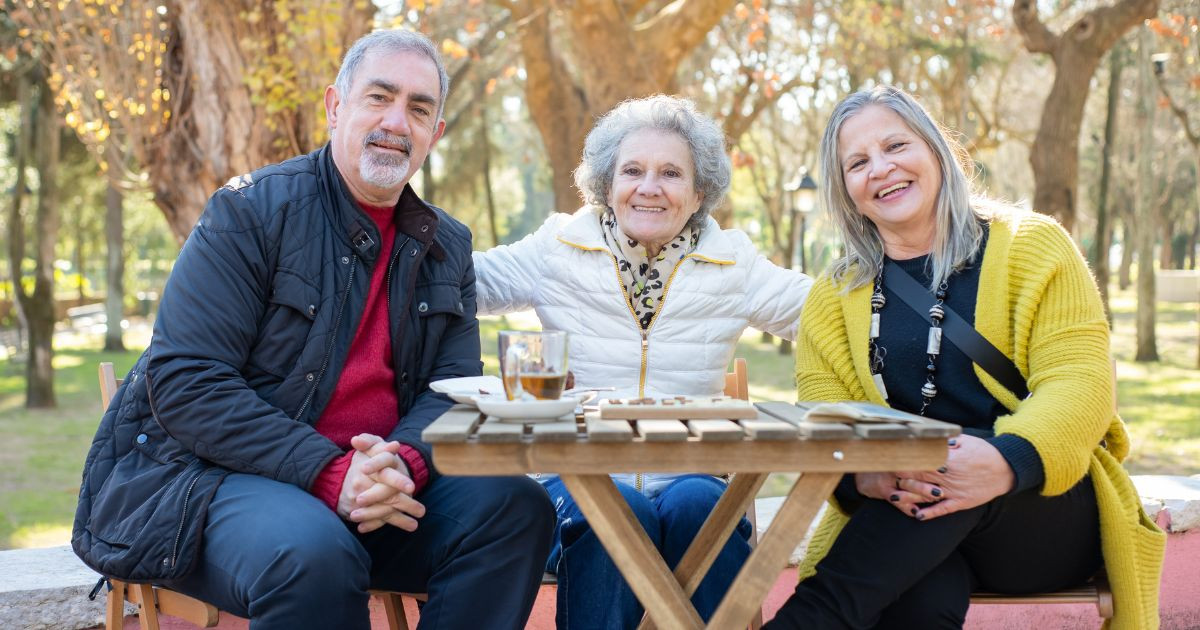
In today's world, as the number of people over the age of 60 increases, it is important to focus on aspects that can positively impact their lives. Social intelligence and emotional resilience are two key skills that can help older adults adapt to a changing world and improve their quality of life. One of the simplest yet most effective ways to strengthen these skills is walking as a habit.
Walking is not just a physical activity; it is also a way to connect with your surroundings, develop social contacts, and improve emotional health. In this blog, we will explore how walking, as a regular habit, can enhance your social intelligence and emotional resilience.
Why is Walking Important?
Walking is one of the most accessible forms of movement. It requires no special equipment, can be done almost anywhere, and is suitable for all age groups. In addition to physical benefits, such as improving cardiovascular health, walking also offers a range of psychological advantages:
- Stress Reduction: Regular walking helps release endorphins that improve mood and alleviate stress.
- Boosting Creativity: Walking outdoors can stimulate creativity and assist in problem-solving.
- Improving Cognitive Functions: Physical activity is linked to improved memory and mental sharpness.
Social Intelligence and Walking
Social intelligence is the ability to understand and interact with other people. Walking can enhance this skill in various ways:
- Strengthening Relationships: Walking in a group or with friends can provide opportunities for deep conversations and relationship strengthening.
- Community Interaction: Participating in local walks or groups can foster a sense of belonging.
- Developing Empathy: Walking with others allows for a better understanding of their perspectives and needs.
Emotional Resilience and Walking
Emotional resilience is the ability to cope with difficult situations and move through them. Walking can contribute to the development of this skill:
- Improving Mood: Physical activity can reduce symptoms of depression and anxiety.
- Relieving Tension: Walking can serve as a form of meditation that helps release stress and tension.
- Boosting Self-Confidence: Achieving goals, such as walking a certain distance, can enhance self-confidence.
Recommendations for Establishing Walking as a Habit
So how do you start walking as a regular habit? Here are some recommendations:
- Set Realistic Goals: Start with small steps, such as a 10-15 minute walk each day, and gradually increase your walking time.
- Choose a Pleasant Environment: Walking in nature or a park can be much more enjoyable than walking on a busy street.
- Join a Group: Consider joining a local walking group where you can meet new friends and share experiences.
- Create a Plan: Schedule your walks into your daily routine to make them a part of your life.
Games and Activities to Encourage Walking
There are many ways to make walking more enjoyable and fun:
- Walking Bingo: Create a bingo card with various objects you can see during your walk (e.g., trees, birds, buildings) and try to find them.
- Photography Challenge: Bring a camera or mobile device with you while walking and try to capture interesting objects or scenery.
- Walking Library: Start a group where you borrow books from each other and walk while reading them.
Conclusion
Walking is a simple yet effective way to improve your social intelligence and emotional resilience. For people over 60, it offers not only physical benefits but also psychological and social advantages. By establishing a walking habit, you can enhance your life and strengthen your relationships with others. So why not start today? Get up, put on your comfortable shoes, and go for a walk – your mental and emotional well-being will surely thank you for it.


