
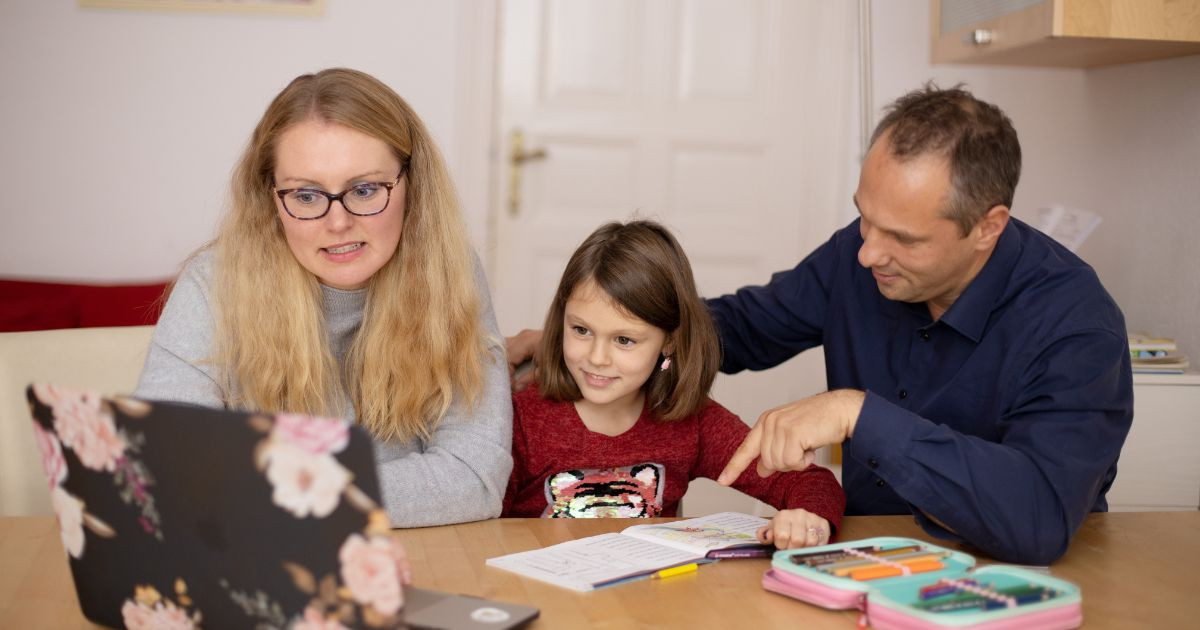
Curiosity of children and its significance

Curiosity of children and its significance

Children are naturally curious. How can this curiosity be harnessed for personal development?

Curiosity is a natural part of child psychology and can be a powerful tool for developing critical thinking and self-reflection. It is important to support children in their curiosity by asking questions and providing space for exploration. Activities that encourage children to seek answers and experiment can significantly contribute to their personal growth. Curiosity is, after all, the foundation of learning, and parents should create an environment that celebrates and nurtures it.

Interested in this topic? Read more: Parenting and self-control: How different approaches shape our personality and critical thinking Want to find out where you stand personally? Take a short test at the end of the page and gain a better understanding.

How does this apply to you? Choose the answers that describe you best:

Imagine your child makes a big mistake and confesses to you. How do you react?

Choose the answer that best describes you.

Your child tells you that they want to try something completely new and unexpected. How do you react?

Choose the answer that best describes you.

What is your approach to rules and discipline in the family?

Choose the answer that best describes you.

Imagine that your child gets into a conflict with a teacher. How would you resolve it?

Choose the answer that best describes you.

How would you react if your child was going through a tough time but didn’t want to talk about it?

Choose the answer that best describes you.

Your child tells you that they have a completely different opinion than you on an important life issue. How do you react?

Choose the answer that best describes you.

What kind of environment are you trying to create at home?

Choose the answer that best describes you.

Your child comes home with a great achievement. How do you react?

Choose the answer that best describes you.

How do you resolve conflicts within your family?

Choose the answer that best describes you.

What type of parent would you like to be?

Choose the answer that best describes you.

Parent type

Get an evaluation of your answers

Enter your email to create an account and link this test to it. After you submit all 10 answers, we’ll show your evaluation on the page and email you a link.