
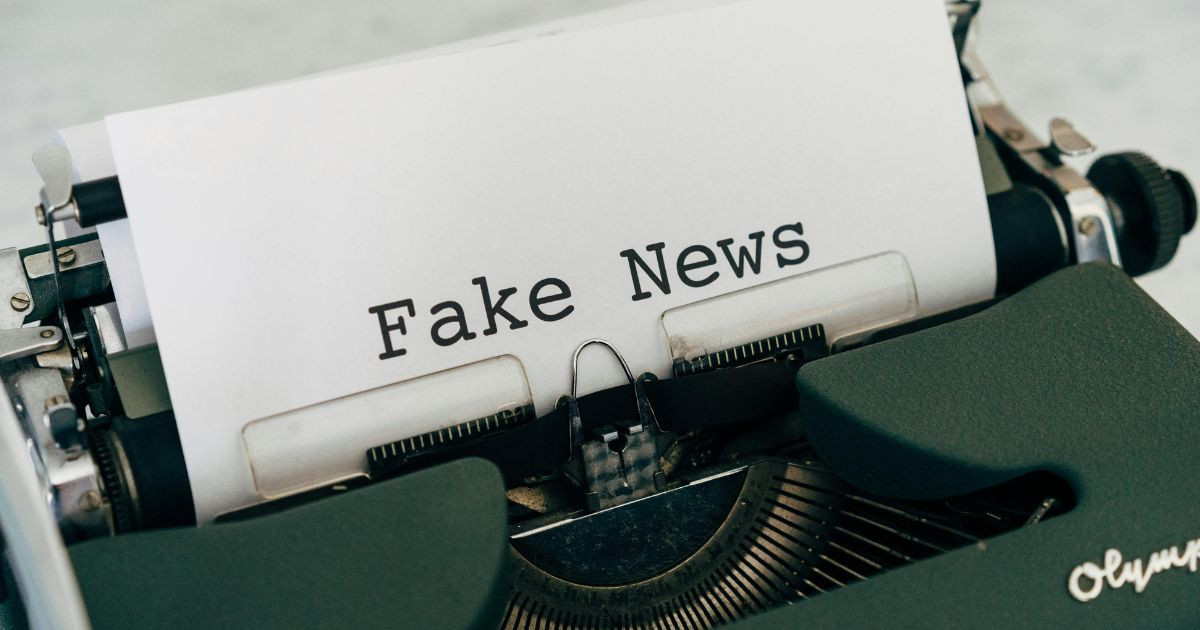
False or misleading information can spread quickly, especially online. It can shape opinions, create unnecessary fear, and make it harder to know what to trust. For many people, that confusion also adds stress and mental fatigue. Learning how to check information carefully does not remove uncertainty from the world, but it can help you respond more calmly and make better decisions.
This article explains practical ways to recognize misinformation, verify what you read, and reduce the mental strain that constant exposure to confusing or alarming content may cause. It also includes simple activities that can help you build stronger critical-thinking habits over time.
Why misinformation can be so disruptive
Misinformation is not only a problem because it is inaccurate. It can also affect how people feel and behave. When a claim is dramatic, urgent, or frightening, readers may react before they have time to question it. That reaction can lead to anxiety, anger, confusion, or distrust.
This is one reason misinformation can be so effective. It often combines partial truths, emotional language, and repeated sharing to make a claim feel believable. In some cases, people do not realize they are reading something misleading because it appears in a familiar format, such as a social media post, forwarded message, or article that looks professional.
Recognizing this pattern matters because it helps you slow down. Instead of accepting a claim immediately, you can ask whether it is supported, who is saying it, and whether other reliable sources agree.
How to check whether information is reliable
There is no single test that proves something is true, but several basic checks can help you judge reliability more carefully.
1. Check the source
Start by asking where the information came from. A trustworthy source usually has a clear name, a real editorial presence, and a record of accurate reporting or expertise. Be cautious with sites that hide their ownership, use vague “about us” pages, or publish sensational content without accountability.
If the information comes from a post, message, or screenshot with no clear origin, treat it as unverified until you can trace it back to the original source.
2. Identify the author
Look for the author’s name and background. A qualified expert, journalist, or organization should normally be easy to identify. If no author is listed, or if the author has a strong bias or unclear credentials, that does not automatically make the claim false, but it does mean you should be more careful.
3. Compare multiple sources
One of the simplest ways to test a claim is to see whether other reliable outlets report the same thing. If a story appears only on one obscure website and nowhere else, that is a warning sign. If several independent sources confirm it, the claim is more likely to be accurate.
It also helps to compare how different sources describe the same event. Reliable reporting should agree on the core facts even if the tone or emphasis differs.
4. Watch for emotional manipulation
Misinformation often tries to provoke a strong emotional response. Headlines that are designed to shock, outrage, or panic can make people less likely to think critically. Phrases such as “they don’t want you to know this” or “share before it is deleted” are common examples of tactics that pressure readers to act quickly.
When a message makes you feel immediately angry or afraid, pause before sharing it. Emotional intensity is not proof, and urgent language can be a way to bypass your judgment.
5. Use fact-checking resources
Fact-checking websites can help you verify widely circulated claims. Tools such as Snopes, FactCheck.org, and PolitiFact are useful starting points for checking rumors, viral claims, and misleading headlines. If a claim is recent or highly specific, you may need to search trusted news sources or the original organization’s website as well.
Common signs that a post or article may be misleading
Some warning signs appear often enough that they are worth remembering. None of them proves a piece of content is false on its own, but several together should make you cautious.
- Overly dramatic headlines: the wording is designed to shock rather than inform.
- Missing context: numbers, quotes, or images are presented without enough background to understand them.
- Unclear dates: old content is reposted as if it were current.
- Edited images or out-of-context visuals: photos and videos may be real but used to support a different claim.
- No named source: the information is repeated without a traceable origin.
- False certainty: the content presents a complex issue as simple and absolute.
A useful habit is to ask: “What would I need to see to trust this claim?” If the answer is an original report, an official statement, or broader confirmation from reliable sources, take the time to look for it.
How misinformation can affect mental wellness
Constant exposure to misleading or alarming information may contribute to stress in several ways. It can make the world seem more threatening than it really is, increase uncertainty, and create a sense that nothing can be trusted. For some people, that uncertainty can be exhausting.
It may also lead to repeated checking behavior. You may find yourself opening multiple sources, scrolling longer than intended, or returning to the same story again and again. While some checking is healthy, endless verification can leave you more drained rather than more informed.
Protecting your mental wellness in this context is not about avoiding all news or ignoring difficult topics. It is about setting limits, choosing reliable sources, and giving yourself enough distance to think clearly.
Practical ways to reduce the mental strain
Set boundaries around news and social media
Choose specific times to check updates instead of reading new content constantly throughout the day. If you notice that certain platforms leave you anxious, consider reducing how often you use them or muting accounts that spread unreliable material.
Balance information with recovery
After reading heavy or confusing news, take a break. A walk, a conversation with someone you trust, a meal away from screens, or a few minutes of quiet can help your mind reset. This is not avoidance; it is a way to prevent overload.
Use grounding habits
Simple routines such as regular exercise, sleep, breathing exercises, or mindfulness practices may support emotional steadiness. These habits do not solve misinformation, but they can help you respond to it with more clarity and less reactivity.
Talk to people you trust
Discussing confusing information with friends, family members, or colleagues can help you reality-check what you are seeing. Honest conversation can also reduce the feeling that you need to figure everything out alone.
Exercises that can strengthen critical thinking
Critical thinking improves with practice. The goal is not to become suspicious of everything, but to become more careful and less reactive.
- Compare headlines and full articles: notice how headlines can exaggerate or simplify what the article actually says.
- Trace a claim back to its origin: follow a shared post to the first known source and see whether the wording changes along the way.
- Discuss a current topic from more than one angle: ask what facts are known, what is uncertain, and what assumptions are being made.
- Create a “trust checklist”: write down a few questions you ask before believing or sharing a claim, such as “Who said this?” and “Can I confirm it elsewhere?”
- Use quizzes or fact-checking games: these can be useful for noticing your own habits and learning how misinformation techniques work.
These activities work best when they focus on real examples, not abstract theory. Looking at actual posts, articles, and headlines makes it easier to spot patterns you may otherwise miss.
When a claim should be treated with extra caution
Be especially careful with content that concerns health, safety, politics, or personal finance. These areas often attract misleading claims because they can influence emotions and behavior quickly. If a post encourages immediate action, such as sharing a warning, making a purchase, or changing an important decision, stop and verify it first.
Also be cautious with content that confirms what you already believe too neatly. People are naturally drawn to information that supports their views, which is why misinformation often succeeds by sounding familiar. A healthy habit is to ask not only whether you agree with a claim, but whether it is actually supported.
Building a calmer relationship with information
Protecting yourself from misinformation is partly a technical skill and partly a daily habit. It means checking sources, noticing emotional manipulation, and giving yourself permission to slow down before reacting. It also means paying attention to your mental state, because stress and information overload can make poor judgments more likely.
When you combine source-checking with regular rest, reflection, and healthy limits on media use, you are more likely to feel informed without feeling overwhelmed. That balance may not eliminate uncertainty, but it can help you meet it with more confidence and clarity.


