
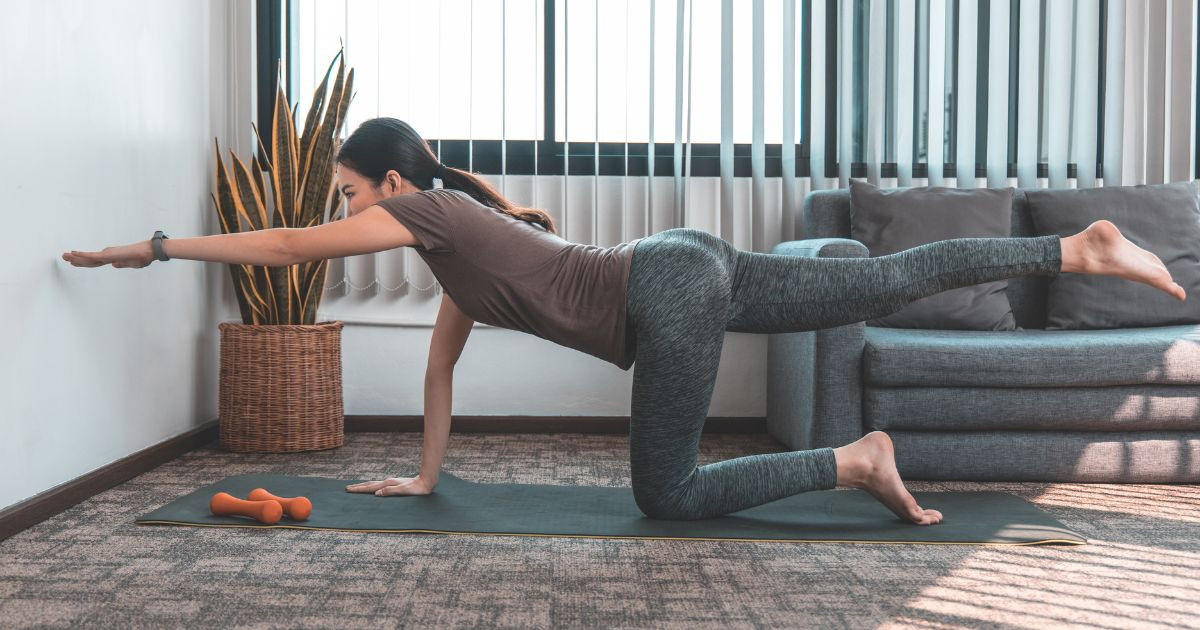
You do not need a gym session to start the day with movement. Micro-training uses short, focused bouts of exercise that can fit into a busy morning, even when you only have a few minutes. When paired with a simple morning routine, it may help you feel more awake, more organized, and more ready to move through the day.
The goal is not to replace every form of exercise. Instead, the idea is to make movement easier to start and easier to repeat. For many people, a short routine is more realistic than a long workout, which makes consistency more likely.
Why micro-training works well in the morning
Morning is often the easiest time to build a habit because the day has not yet filled up with meetings, errands, or interruptions. A short session can activate your muscles, raise your heart rate, and help you shift from sleep mode into an alert state.
Micro-training is especially useful if you:
- have limited time before work or school,
- prefer working out at home,
- want a lower barrier to starting exercise, or
- find it easier to stay consistent with a small routine.
That said, micro-training is most effective when it is realistic. A five-minute session done regularly is usually more useful than an ambitious plan that you abandon after a week.
Build a morning ritual around movement
A good morning ritual is simple, repeatable, and easy to adjust. You do not need to fit everything into one morning. Choose a few steps that feel manageable and support your day.
1. Wake up your body gently
Start with light movement before you jump into anything intense. Gentle stretching, shoulder rolls, ankle circles, or a short walk around the room can help loosen stiffness after sleep. The point is not to force flexibility; it is to signal to your body that the day has started.
2. Add a short burst of exercise
Once your body feels awake, add a brief exercise block. This can be as short as 3 to 10 minutes. You might do bodyweight movements, a brisk set of squats, or a few intervals of jumping jacks and rest. Keep the pace challenging enough to feel active, but not so hard that you dread it the next morning.
3. Calm your mind for a minute or two
A short pause for breathing or quiet reflection may help you transition into the day with more focus. You do not need a long meditation practice for this to be useful. Even one to five minutes of steady breathing can help some people feel more centered before they begin work or family responsibilities.
4. Plan the day before it starts
After movement, write down your top priorities. This can be as simple as identifying three tasks you want to finish. Planning in the morning may help reduce decision fatigue later and makes the routine feel practical rather than purely fitness-focused.
5. Hydrate and eat enough
Drink water after waking up, and have breakfast if that supports your energy levels. There is no single best morning meal for everyone, but it helps to choose something that fits your needs and keeps you from feeling drained soon after starting the day.
Simple micro-training exercises to try at home
Micro-training does not require equipment. You can use your body weight, a mat, or a jump rope if you have one. The examples below can be mixed and matched depending on your fitness level.
- 5-minute interval circuit: Alternate 20 seconds of effort with 10 seconds of rest. Try squats, mountain climbers, or burpees if they suit your level.
- Plank hold: Hold a plank for 20 to 30 seconds, then rest. Focus on keeping your body aligned rather than holding longer with poor form.
- Jump rope or simulated rope jumps: Jump for 30 seconds to 1 minute to raise your heart rate quickly.
- Yoga flow: Use a few basic poses such as downward dog, cat-cow, or warrior pose to combine movement with mobility.
- Marching or high knees in place: This is a simple option when you want to move without making noise or needing much space.
If you are new to exercise or returning after a break, start with low-impact options such as marching in place, slow squats, or light stretching. You can increase intensity over time.
How to make the habit stick
The hardest part is usually not the workout itself, but repeating it often enough for it to become natural. A few practical choices can make that easier.
- Keep the routine short: Begin with a length you can complete on your busiest mornings.
- Attach it to a fixed trigger: For example, exercise right after brushing your teeth or making your bed.
- Prepare the night before: Lay out workout clothes, a mat, or a water bottle so there is less friction in the morning.
- Track what you do: A simple note in a journal or phone app can help you see patterns and stay aware of progress.
- Leave room for variation: Some mornings may call for stretching, while others may suit a more active circuit. Flexibility helps prevent all-or-nothing thinking.
It is also important not to overdo it. If you are very tired, unwell, or recovering from injury, a gentler routine may be more appropriate. Morning rituals should support your day, not leave you depleted before it begins.
Benefits you may notice over time
When practiced consistently, a morning routine with micro-training may support several parts of daily life:
- More physical alertness: Movement can help you feel less stiff and more ready to start.
- Better follow-through: A short routine is easier to repeat, which may help build consistency.
- Clearer priorities: Planning in the morning can make the rest of the day feel more structured.
- Improved mood: Exercise and quiet breathing may help some people feel calmer and more focused.
- Better awareness of your body: Repeating small movements can make it easier to notice tension, fatigue, or progress.
These benefits are not guaranteed, and they do not happen the same way for everyone. Still, a simple routine is often a practical way to make exercise feel more accessible.
Common mistakes to avoid
People often give up on morning routines because the plan is too complicated. A few common mistakes can make the habit harder than it needs to be.
- Trying to do too much: A long or intense routine may be unrealistic at first.
- Skipping the warm-up: Jumping straight into hard exercise can feel unpleasant, especially in the morning.
- Using the same workout every day without adjustment: Variety can help prevent boredom and overuse.
- Expecting instant results: The value of the routine is often in consistency, not in one perfect session.
- Ignoring recovery: Rest matters, particularly if your training becomes more intense over time.
Conclusion
Micro-training can be a practical way to bring movement into your morning without needing a gym or a large time commitment. A good routine is simple, repeatable, and built around your real schedule. Start with a few minutes of movement, add one or two habits that support your focus, and adjust the plan until it fits your life. The most useful routine is the one you can actually keep doing.


