
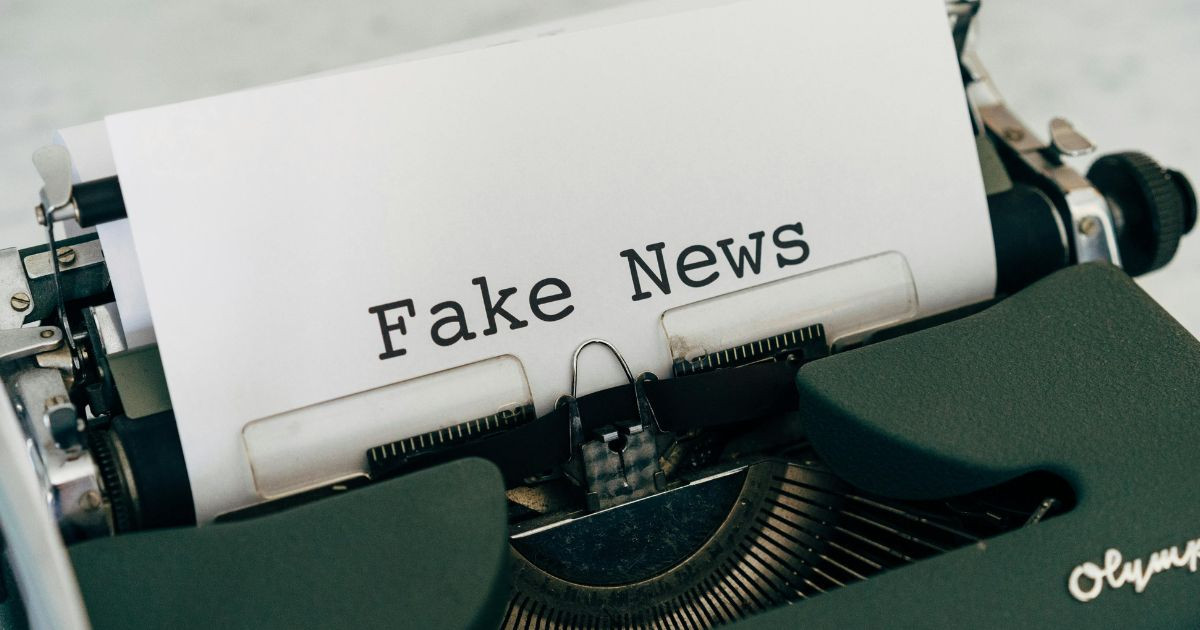
Noise and Attention: How to Recognize Fake News and Misinformation in a Sea of Propaganda
Nowadays, we are exposed to a constant flow of information that seems endless. From social media to news portals, the noise around us can be overwhelming. But how do we recognize what is true and what is just fake information or propaganda? In this blog, we will look at techniques and strategies for effectively analyzing and uncovering misinformation, and we will teach you how to become a critical and informed consumer of information.
To begin with, it is important to realize that fake information is not just false news. It can also be manipulations, half-truths, or contextually inaccurate data that spreads with the aim of influencing public opinion or gaining political power. In this section, we will go through the basic categories of fake information and their main characteristics.
- Fake News: Completely fabricated or distorted information presented as truth.
- Half-Truths: Information that contains a part of the truth but is taken out of context.
- Propaganda: Aimed at manipulating public opinion in favor of certain interests.
- Clickbait: Headlines or images designed to attract clicks but often distort the content of the article.
If you want to be able to effectively uncover fake information, it is important to keep in mind several key steps that will help you in this process:
- Verify Sources: Before sharing information, check where it comes from. Is it a reputable source or an unknown blog?
- Analyze Content: Read carefully and look for logical inconsistencies or lack of evidence.
- Seek Second Opinions: Compare information with other sources to gain a broader perspective on the topic.
- Be Skeptical: If something sounds too good to be true, it probably is.
In addition to verification techniques, it is also important to develop critical thinking. There are several games and exercises you can try to improve your analytical skills:
- Journalistic Detective Game: Choose a current news story and try to find out what sources and evidence are behind it. Share your findings with friends or family.
- Critical Discussions: Organize discussions on topics that are subject to misinformation. Focus on argumentation and evidence.
- Online Courses: Consider taking online courses focused on critical thinking and media literacy.
Personal and professional growth is closely linked to our ability to recognize the truth in a sea of information. By improving our analytical skills, we not only ensure that we are better informed but also that we can make informed decisions and influence those around us. Remember, in today's world, knowledge is power, and the ability to critically analyze information is one of the most valuable tools you can have.


