
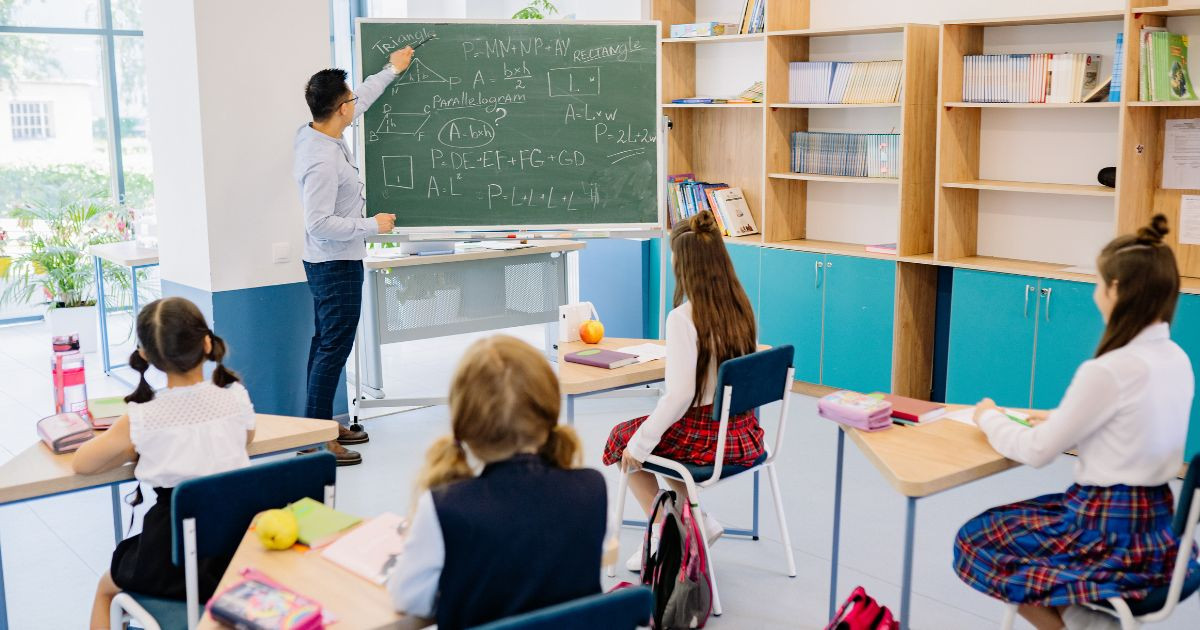
Children and teenagers are exposed to more information than ever before, but access to information is not the same as understanding it. Critical thinking helps young people question claims, compare viewpoints, and make better decisions in school, online, and in everyday life. From a wellbeing perspective, these skills may support confidence, reduce confusion in high-pressure situations, and make it easier to respond thoughtfully rather than react impulsively.
This article looks at why critical thinking matters and how parents, carers, and educators can encourage it in practical, age-appropriate ways.
Why critical thinking matters for young people
Critical thinking is more than “being smart” or winning arguments. It means noticing assumptions, checking evidence, considering alternatives, and deciding whether a claim makes sense. For young people, that can be useful in many settings:
- In school: it supports reading comprehension, problem-solving, and stronger reasoning in written work and discussions.
- Online: it may help them question misleading posts, exaggerated headlines, and peer pressure.
- In relationships: it can support empathy, because they learn to consider other people’s viewpoints before judging them.
- For self-confidence: it helps them trust their own judgment while still being open to correction.
These benefits are not automatic. A child can be curious and still accept poor information if they are not guided to slow down, ask questions, and compare evidence. That is why critical thinking is best taught as a habit, not a single lesson.
Practical ways to develop critical thinking
Encourage questions, then ask follow-up questions
Children are naturally inquisitive, but adults sometimes answer too quickly. When a child asks “why,” try to continue the conversation instead of closing it. You might ask, “What do you think?” or “How could we check that?” This keeps the child involved in the reasoning process.
You do not need to turn every conversation into a lesson. Even small moments, such as discussing why one advertisement seems more convincing than another, can help children practice thinking beyond the surface.
Teach them to look for evidence
One of the most useful habits in critical thinking is separating opinion from evidence. If a teenager says, “Everyone says this app is bad,” ask where that information came from. Was it a friend, a video, a headline, or a direct experience?
For younger children, this can be as simple as asking, “How do we know that?” or “What makes you think that is true?” Over time, they learn that claims should be supported, not just repeated.
Use everyday decisions as practice
Critical thinking does not have to happen only in formal learning. Daily life offers many chances to practice it. For example:
- planning a family trip and comparing routes, timing, or costs;
- choosing between two activities and weighing the trade-offs;
- deciding how to solve a disagreement with a friend;
- sorting useful information from noise in a news story or social media post.
These situations are useful because the stakes are real but manageable. Young people can see how better reasoning leads to better outcomes.
Play games that require strategy and planning
Chess, sudoku, logic puzzles, and strategy games can support attention, planning, and flexible thinking. They are not the only way to build critical thinking, but they can make practice feel engaging.
Choose games that match the child’s age and frustration tolerance. If a game is too difficult, they may give up. If it is too easy, they may not need to think deeply. The goal is to create enough challenge to encourage problem-solving without making the activity stressful.
Discuss current events carefully
Talking about current events can help older children and teenagers practice evaluating information and considering different perspectives. Keep the discussion balanced and age-appropriate. Instead of asking them to take a side immediately, invite them to compare sources, identify facts, and notice where opinions begin.
It also helps to model uncertainty. Saying “I am not sure yet” or “Let’s check more than one source” shows that thoughtful people do not have to pretend they know everything.
Support project-based learning
Project-based learning works well because it requires planning, research, collaboration, and revision. A school project, home experiment, community activity, or creative assignment can all encourage deeper thinking if the child has to make decisions along the way.
When possible, let young people take some ownership of the process. Ask them to explain their plan, identify possible problems, and reflect on what they would do differently next time. Reflection is an important part of learning from experience.
Useful activities that build reasoning skills
The following activities can strengthen critical thinking when used consistently:
- Debates and discussion circles: help young people build arguments, listen actively, and respond respectfully.
- Creative writing: encourages them to organize ideas, support opinions, and imagine different outcomes.
- Role-play and simulations: let them practice decision-making in realistic situations and see how choices affect others.
- Problem-solving tasks: such as organizing an event or solving a practical household issue, build planning and evaluation skills.
These activities work best when adults focus on the process, not just the answer. Ask what the child noticed, why they chose a certain approach, and what else they might try.
Common mistakes to avoid
There are a few ways critical thinking can be weakened instead of strengthened. One is giving children the answer too quickly. Another is dismissing their ideas without explanation. Both can teach them to stop asking questions.
It is also important not to confuse critical thinking with constant skepticism. Young people should learn to question claims, but also to recognize credible information and trust appropriate expertise. The aim is balanced judgment, not automatic doubt.
Finally, do not treat disagreement as disrespect. A child who challenges an idea is not necessarily being defiant; they may be trying to understand how reasoning works. Responding calmly helps them learn how to disagree without becoming defensive or dismissive.
Building a culture that supports thoughtful thinking
Children are more likely to develop critical thinking when the adults around them model it. That means showing how to pause before reacting, admit uncertainty, and change your mind when new information appears. A home or classroom that welcomes questions, values evidence, and allows respectful disagreement creates better conditions for thoughtful decision-making.
Over time, these habits may support confidence, resilience, and better judgment. The goal is not to raise children who never make mistakes. It is to help them become young people who can notice mistakes, learn from them, and think more carefully the next time.


