
Goal Orientation and Constructive Feedback: The Key to Personal Growth and Confidence on the Path to Wellbeing
In today's rapidly changing times, more and more people are focusing on their personal and professional growth. Goal orientation, combined with constructive feedback, proves to be an essential tool for overcoming the limits we set for ourselves. In this blog, we will explore how these two factors can enhance our self-confidence and support our overall wellbeing.
What is goal orientation?
Goal orientation is the ability to set clear, achievable goals and persistently strive to achieve them. It is a process that requires planning, self-discipline, and motivation. Goal-oriented individuals do not give up at the first obstacles but seek ways to overcome them. They also need support and feedback from their surroundings.
Why is constructive feedback so important?
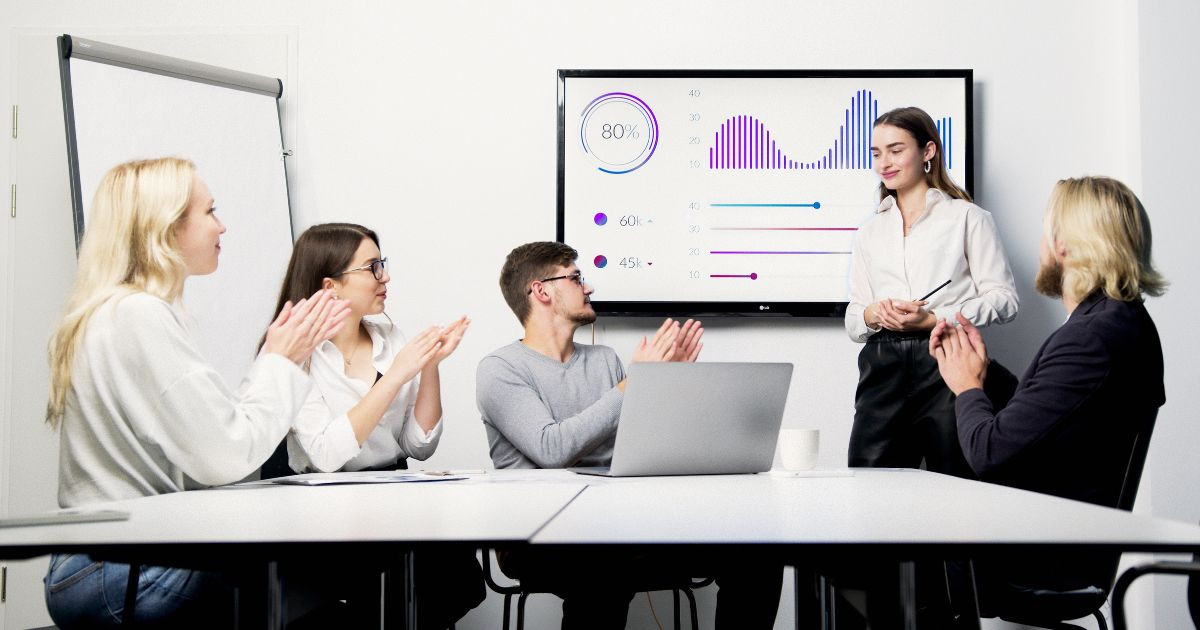
Constructive feedback is a process through which we receive information about our performance that helps us improve. It is a tool that guides us, provides perspective, and motivates us to enhance our skills. Without constructive feedback, we may remain trapped in our limits and fail to see opportunities for growth.
The impact of goal orientation and feedback on wellbeing
When we focus on our goals and accept feedback, we increase our self-confidence and improve our mental health. Just as physical exercise strengthens our bodies, personal growth strengthens our psychology. Furthermore, success in achieving goals can lead to increased life satisfaction and happiness.
Recommendations for developing goal orientation and accepting feedback
- Set SMART goals: Goals should be specific, measurable, achievable, relevant, and time-bound.
- Create an action plan: Break your goals down into smaller tasks and plan how to achieve them.
- Seek feedback: Ask trusted friends or colleagues for constructive feedback on your work.
- Accept criticism with an open heart: Instead of feeling hurt, try to understand what you can improve.
- Reflect on your successes and failures: Every success and failure is an opportunity to learn.
- Create a supportive environment: Surround yourself with an environment that fosters your growth and development.
- Regular meditation and mindfulness: Helps you gain a clearer perspective and improve emotional wellbeing.
- Skill development games: There are many games that can boost your self-confidence and help you develop skills.
Games that will enhance your goal orientation and self-confidence
Games are not just fun, but also a great tool for learning and personal development. Here are some games you can try:
- Goal-setting game: Write down your goals and share them with friends. Then encourage each other and track your progress.
- Team activities: Participate in team games that require collaboration and communication, which will strengthen your self-confidence and ability to accept feedback.
- Simulations and role-playing: Play roles that help you understand different perspectives and learn how to respond to feedback.
Conclusion
Goal orientation and constructive feedback are key factors for personal growth and wellbeing. By focusing on these aspects, we can overcome our limits, enhance our self-confidence, and achieve true personal and professional growth. Start today, and above all, be open to new possibilities and improvements in your life.


