
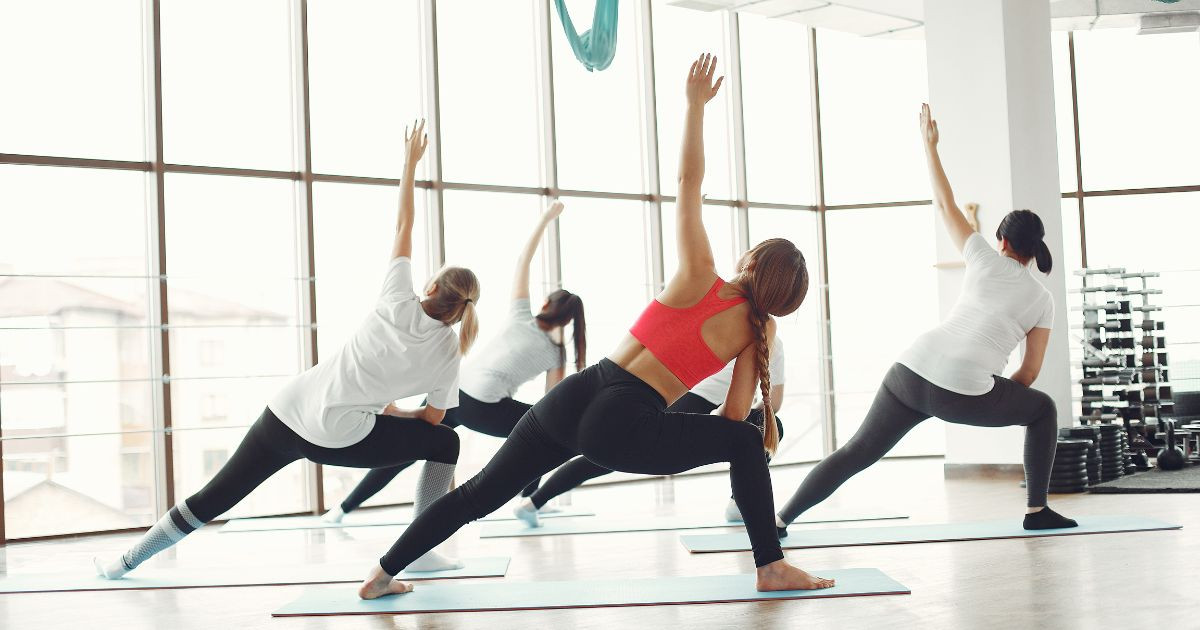
Physical activity and everyday movement habits can play an important role in physical fitness, energy levels, and mental well-being. In a busy routine shaped by work, screen time, and stress, many people move less than they realize. The good news is that being active does not have to mean long workouts or strict training plans. Small, regular forms of movement can make a meaningful difference when they are realistic and repeatable.
Physical activity includes far more than going to the gym or running. Walking, cycling, dancing, stretching, gardening, and playing active games all count. What matters most is consistency. A habit you can keep for months is more valuable than an intense plan that quickly becomes unrealistic. For many people, the best approach is to combine planned exercise with simple daily movement.
Why movement habits matter
Regular movement may support heart health, mobility, strength, and posture. It can also help break up long periods of sitting, which often leave people feeling stiff or tired. On the mental side, physical activity may reduce stress, support a better mood, and create a useful pause in a demanding day. These benefits tend to build over time rather than appearing after one workout.
It is also important to be realistic. Not every activity works for every person. Someone with joint pain, a demanding schedule, or very low energy may need to start with shorter sessions or gentler options. The goal is not perfection. The goal is to create a pattern of movement that fits your life.
Practical ways to build a movement routine
If you want movement to become part of your normal routine, it helps to make it specific. Vague intentions such as “I should exercise more” are easy to delay. A simple plan is easier to follow.
- Set a clear target: Choose a realistic goal, such as a 20-minute walk after lunch, three short workouts a week, or a daily step target that fits your current level.
- Start with activities you enjoy: Walking, swimming, cycling, yoga, dancing, or team sports are easier to maintain if they feel enjoyable rather than forced.
- Use your schedule: Add movement to moments that already exist in your day, such as taking stairs, stretching during breaks, or walking while taking phone calls.
- Make it social when possible: Group classes, walking with a friend, or playing a sport with others can improve motivation and make activity more enjoyable.
- Keep it simple: You do not need special equipment to begin. Comfortable shoes and a safe place to move are often enough.
- Track progress lightly: Apps, watches, or a basic calendar can help you notice patterns and stay consistent, but they should support you rather than create pressure.
How to make movement easier to stick with
Habits become stronger when they are linked to your environment. If exercise clothes, a yoga mat, or small weights are visible and easy to reach, you are more likely to use them. You can also create a small home area for stretching, mobility work, or short workouts. This does not need to be a full home gym; it only needs to be a space that removes friction.
Another useful strategy is to connect movement with existing routines. For example, you might stretch after brushing your teeth, take a short walk after dinner, or do a few mobility exercises before starting work. Pairing movement with a fixed habit can make it feel automatic over time.
Playful activity can also be valuable. Frisbee, volleyball, jumping rope, or active family games may help people move more without the feeling of a formal workout. This can be especially helpful if you find traditional exercise repetitive or difficult to sustain.
Do not overlook rest and recovery
Movement is only one part of a balanced routine. Rest, sleep, and recovery are also important. If you increase activity too quickly, you may feel sore, tired, or discouraged. A gradual approach is usually more sustainable than trying to do too much at once. Recovery days, gentle stretching, and enough sleep can help your body adapt and may support better long-term progress.
If you are returning to activity after a long break, start slowly and pay attention to how your body responds. Mild effort is often enough at the beginning. The aim is to build confidence and consistency, not to prove how hard you can push yourself.
Supporting mental well-being through movement
Physical activity may also support mental balance. Many people find that movement helps clear their head, lowers tension, or creates a sense of structure in the day. Breathing exercises, meditation, yoga, or calm walking can be useful additions if you want both movement and quiet time. These practices are not a substitute for professional care when needed, but they may help some people manage everyday stress.
In the end, the best movement habit is the one you can maintain. A balanced life is usually built from ordinary actions repeated regularly, not from occasional bursts of effort. Start with one or two realistic changes, notice what feels manageable, and build from there.
Over time, physical activity can become less of a task and more of a normal part of how you live. When movement fits your routine, supports your body, and feels sustainable, it is much easier to keep going.


