
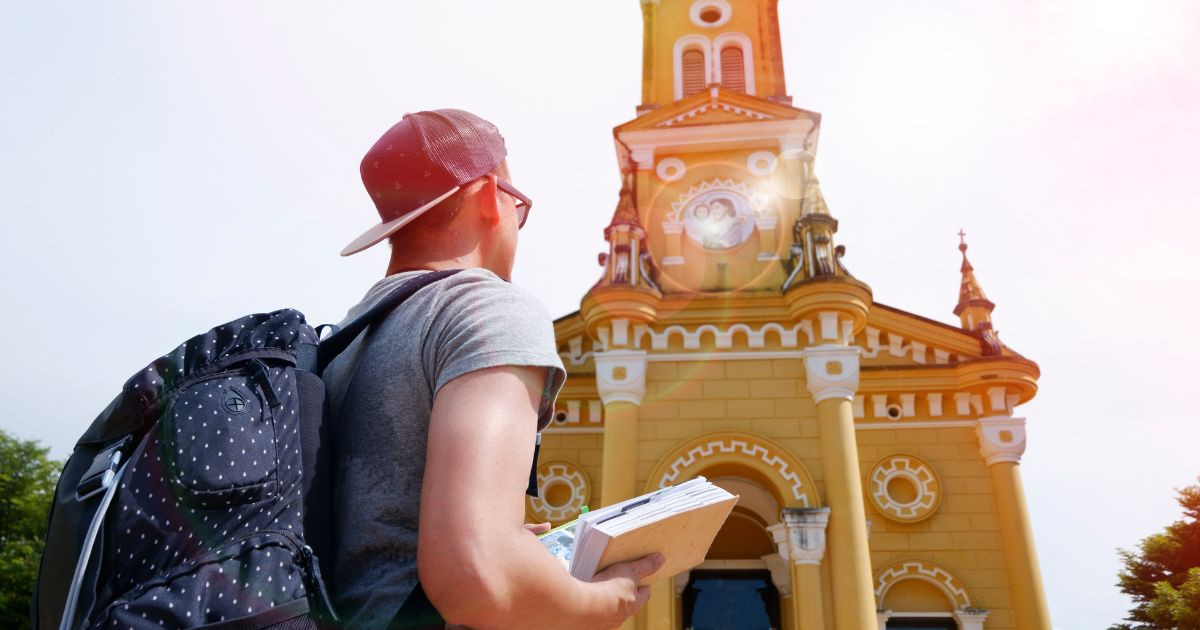
Travel can feel more restorative when you are not dragging unnecessary bags, gadgets, and “just in case” items from place to place. Packing less does not mean giving up comfort or being unprepared. It means choosing what truly supports the trip you want to have. For many travelers, that shift can reduce stress, save time, and leave more room for the experiences that actually matter.
This approach also connects to work-life balance. When you spend less energy managing stuff while you travel, you may have more attention for rest, people, and new surroundings. And when you return home, the habits you used to pack and plan more intentionally can make it easier to protect your time and focus.
Why traveling with less often feels easier
Carrying fewer items usually makes every part of the journey simpler. You spend less time packing, less time checking and reorganizing your bag, and less time worrying about what you left behind. That can be especially helpful on trips with trains, multiple hotels, or busy airports, where a heavy suitcase becomes a real burden.
Traveling light can also help you stay more flexible. If your bag is smaller, it is easier to move quickly, change plans, or take public transport without feeling weighed down. In practical terms, that often means less friction and more energy for the trip itself.
How less stuff can lead to more experiences
When you are not focused on managing belongings, you may be more available for what is happening around you. That can mean longer meals with friends, more spontaneous walking, or simply more attention to the place you came to see. Instead of checking whether you packed enough, you can focus on the destination.
Travel also often becomes more memorable when you make intentional choices. Rather than bringing everything you might need, decide what will support the experiences you actually want. A beach holiday, a city break, and a work trip do not require the same packing list.
Start by questioning what you really need
The easiest way to pack less is to challenge the “just in case” habit. Many travelers pack items they rarely use, then spend the whole trip carrying them. Before you pack, ask a few simple questions:
- Will I realistically use this item on this trip?
- Can I buy or borrow it if I truly need it?
- Does this item serve more than one purpose?
- Would I still pack this if my bag were half the size?
If the answer is unclear, the item may not belong in your suitcase. This does not mean you should pack recklessly. It means you should separate true necessities from habits and fears.
Practical packing tips for lighter travel
Build a small, flexible clothing plan
Choose clothing that can be worn in more than one setting and combined in different ways. A simple capsule wardrobe works well for many trips: a few tops, one or two bottoms, a layer for cooler weather, and shoes that match several outfits. Neutral colors and quick-drying fabrics can help you pack less without feeling limited.
It also helps to think in outfits rather than individual items. If one shirt only works with one pair of pants, it may not be earning its place in your bag.
Limit electronics to what you will actually use
Many people bring more devices than they need. In some cases, one phone can handle maps, tickets, reading, photos, and communication. For longer trips or work travel, you may still need a laptop or tablet, but it is worth asking whether every charger, accessory, and backup gadget is necessary.
Reducing electronics can make travel simpler in another way: fewer items to charge, store, and protect.
Keep personal items intentional
Small comfort items can matter, especially on longer trips. The key is to choose them carefully. Bring the things that genuinely make you feel settled or supported, not everything that feels emotionally familiar. A favorite book, one meaningful keepsake, or a small skincare routine may be enough.
Use a packing list and a short pause
A simple packing list prevents last-minute overpacking. Once you have laid everything out, take a break before zipping the bag. Coming back with fresh eyes makes it easier to notice duplicates, extras, and items you added out of anxiety rather than need.
If you are unsure, remove one or two items and see whether the trip still feels covered. In many cases, it will.
Activities that support a calmer trip
Travel is not only about what you bring, but also about how you use your time. A few simple practices may help you stay present and avoid the sense that the trip has to be productive every minute.
- Mindfulness or meditation: Short guided sessions may help some people settle into the day, especially after a long journey or before busy sightseeing. Apps such as Headspace or Calm can be useful if you already use them.
- Journaling: Writing down thoughts, plans, or daily observations can help you process the trip and remember details you might otherwise forget.
- Shared activities: If you are traveling with family or friends, simple group games or collaborative plans can make the trip more enjoyable. A game like Travel Bingo can add structure without requiring much gear.
- Movement: Walking, hiking, stretching, or swimming can help you feel better physically during travel, especially if you spend long hours sitting.
These activities are not mandatory. The point is to choose a few that support the kind of trip you want, rather than filling every hour with plans.
How lighter travel may support work-life balance
Work-life balance often suffers when life feels crowded, rushed, or overly complicated. Traveling with less can be a useful reminder that not every moment needs to be optimized. When you pack and plan more deliberately, you may also become more selective about how you use your time at home.
That can look like setting clearer boundaries around work messages while you are away, planning real downtime instead of fitting rest around unfinished tasks, or noticing that you do not need to bring every habit from home with you on holiday. The effect is not automatic, but lighter travel can make those choices easier to see.
Bring the benefits home with you
After the trip ends, it helps to keep the same mindset. Returning home often brings a rush of emails, chores, and obligations, which can quickly erase the calm you felt while away. A few practical habits may help protect that balance.
- Create a simple reset routine: Unpack, sort laundry, and review your calendar before jumping back into everything else.
- Leave space for rest: If possible, avoid filling the first day back with a full schedule. Even a few quiet hours can make the transition easier.
- Keep one or two travel habits: You might continue journaling, walking, or taking short breaks more intentionally after you return.
- Protect time for relationships: Share your experience with friends or family, but do not let catching up become another form of exhaustion.
The goal is not to turn travel into a self-improvement project. It is simply to notice which habits made life feel lighter and use them again at home.
Conclusion
Traveling with less can make trips easier to manage and more focused on the experiences you came for. By packing with intention, limiting unnecessary items, and choosing a few habits that support calm and presence, you may reduce stress and make room for more meaningful moments. That same mindset can also help you protect your time and energy after you return.


