
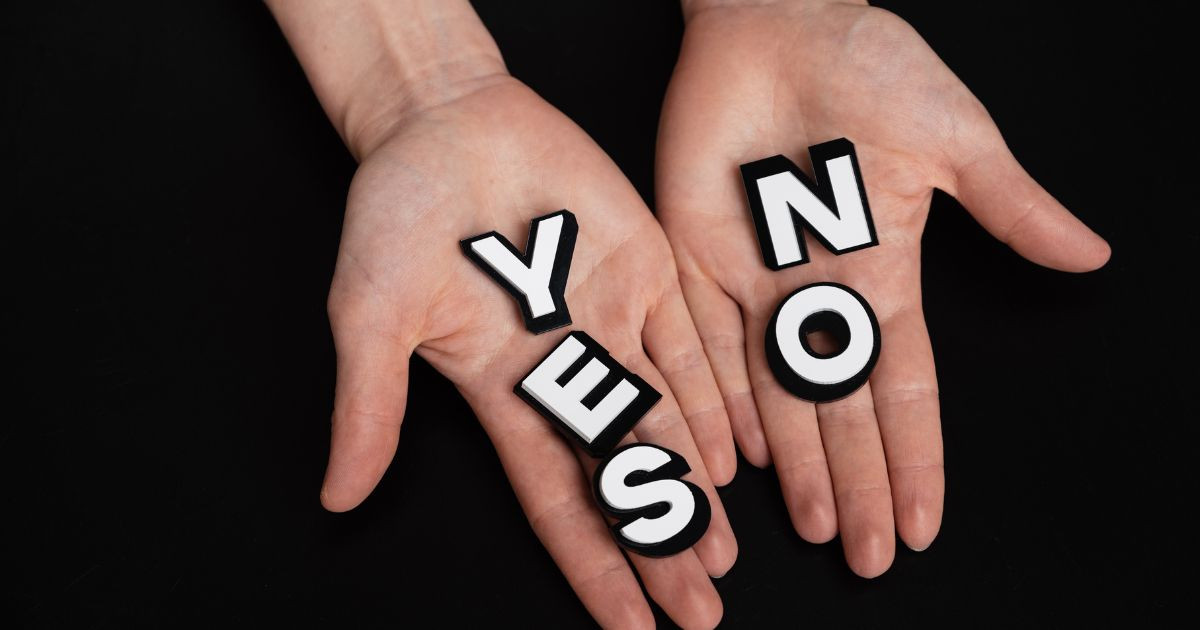
Every day we make decisions, from small choices such as what to eat or wear to larger ones like changing jobs, moving, or ending a relationship. These decisions are not made in a vacuum. Emotions often shape what we notice, what feels urgent, and what seems safe or risky. They also affect mental energy, which is the capacity we draw on for focus, self-control, and thoughtful judgment.
Understanding this connection does not mean ignoring emotions or trying to become completely detached. It means learning how feelings influence attention and judgment so you can respond more deliberately. When you recognize the emotional state behind a choice, you are more likely to avoid rushed reactions and choose an option that fits your values and priorities.
How emotions influence decision-making
Emotions can help decision-making, but they can also distort it. A feeling of excitement may lead you to move quickly, while fear may make you avoid a necessary choice. Sadness, stress, anger, guilt, and even relief can all change how you evaluate your options.
In practice, emotions influence decisions in several ways:
- They narrow attention. When you are anxious or angry, you may focus only on the most threatening part of a situation and miss useful context.
- They change risk perception. A good mood can make a choice seem safer than it really is, while fear can make a manageable option look dangerous.
- They speed up or delay action. Strong feelings may push you to act immediately, or they may lead to indecision and avoidance.
- They color memory. You may remember past experiences in a way that supports what you already feel, rather than what actually happened.
This is why the same situation can lead to very different decisions on different days. Your emotional state becomes part of the decision itself.
What mental energy means in everyday life
Mental energy is not a scientific measurement in this article, but a practical way to describe the limited capacity we have for concentration, planning, emotional control, and problem-solving. People often notice it most when they are tired, stressed, overloaded, or distracted. In those moments, even simple decisions can feel heavier than usual.
When mental energy is low, you may:
- delay important choices because everything feels harder;
- choose the easiest option rather than the best one;
- react impulsively instead of thinking through consequences;
- have trouble comparing alternatives clearly;
- be more sensitive to pressure from other people.
This is one reason why emotionally draining periods often lead to poor decisions. The issue is not only the emotion itself, but also the reduced capacity to pause, reflect, and evaluate options carefully.
Emotional intelligence supports better choices
Emotional intelligence involves noticing, understanding, and managing your own emotions, while also being able to respond thoughtfully to the emotions of others. It does not remove emotion from decision-making. Instead, it helps you use emotional information more wisely.
A person with stronger emotional awareness is more likely to ask: What am I feeling right now? Why am I feeling this way? Is this emotion helping me make a better choice, or is it pushing me toward a reaction I may regret?
Practical ways to strengthen emotional intelligence
- Pause before responding. Even a short pause can help separate the feeling from the decision.
- Label the emotion. Naming the feeling often makes it easier to handle. For example, “I am frustrated” is more useful than “I feel bad.”
- Look for the trigger. Ask what event, thought, or concern is driving the emotion.
- Notice patterns. Some people make rushed decisions when anxious, while others avoid action when disappointed. Tracking patterns can make them easier to manage.
- Consider another perspective. Think about how a calm friend might view the same situation.
These habits may help you separate immediate emotional pressure from a more considered response.
Ways to protect and restore mental energy
Mental energy is limited, so it helps to treat it as a resource that needs regular maintenance. The goal is not to be constantly productive, but to avoid unnecessary depletion before important decisions.
Manage stress first
Stress is one of the most common reasons people feel mentally exhausted. When stress is high, concentration becomes harder and emotions become more reactive. Helpful approaches may include:
- short periods of meditation or quiet breathing to reset attention;
- regular physical activity, which may support mood and reduce tension;
- active rest, such as walking, reading, or spending time on a hobby that genuinely feels restorative;
- better sleep habits, since poor sleep often makes emotional regulation more difficult.
Not every method works for everyone. If a relaxation technique feels frustrating rather than calming, it may be better to try a different one.
Reduce avoidable distractions
Many people lose mental energy not because the task is difficult, but because attention is constantly interrupted. Notifications, open tabs, background noise, and frequent task switching all make clear thinking harder.
To protect focus, try to:
- turn off nonessential notifications during important work;
- set aside specific times for email and messaging;
- work in a tidy, predictable space when possible;
- handle the most demanding task earlier in the day if that suits your energy levels;
- batch similar tasks together instead of switching constantly.
Use a simple structure for demanding tasks
Some people find the Pomodoro technique useful: work in a focused block, then take a short break. Others prefer longer work periods. The exact method matters less than the principle of balancing effort with recovery. If a task requires a lot of judgment, it may help to break it into smaller steps rather than forcing one long session of concentration.
Activities that may support focus and emotional awareness
Not every game or exercise will improve mental energy, but some activities can support attention, reflection, and emotional skill-building.
- Puzzles and logic games such as sudoku or crosswords may help you practice sustained concentration.
- Role-playing or scenario-based activities may help you think through emotional reactions in a less personal setting.
- Group discussions, workshops, or courses can give you feedback on how you communicate and respond to other people.
These activities are most useful when they are treated as practice, not proof of competence. Doing a crossword does not automatically improve judgment in a stressful conversation. However, repeated practice with attention and perspective-taking may support those skills over time.
Practical exercises for better decision-making
If you want to make more balanced choices, it helps to build a few simple habits into daily life.
Keep a decision journal
Write down important decisions, the emotions you felt at the time, the reasons behind the choice, and what happened afterward. Over time, this can reveal patterns such as:
- making worse decisions when tired or rushed;
- avoiding necessary decisions when anxious;
- choosing too quickly when excited or relieved.
A journal is most useful when it is specific. Instead of writing “I felt stressed,” note what the stress was connected to and how it affected the choice.
Test options before committing
For decisions that are not urgent, imagine each option in realistic detail. Ask what each one would require emotionally and practically. Which choice feels energizing? Which one feels heavy? Which concern is based on facts, and which is based on fear or habit?
This kind of mental rehearsal can make hidden assumptions more visible. It can also show when a choice looks attractive in theory but is difficult to sustain in real life.
Talk through the decision with someone you trust
Discussing an important choice with a friend, mentor, or colleague may help you notice blind spots. A good conversation is not about having someone decide for you. It is about hearing another perspective so you can separate your own values from immediate emotional pressure.
Choose someone who listens carefully and does not rush you toward a preferred answer. The most helpful feedback is often calm and specific rather than dramatic.
Common mistakes to avoid
People often struggle with decision-making because they misunderstand the role of emotions. A few common mistakes are worth noting:
- Assuming emotions are always a problem. Emotions can signal what matters to you and what feels unsafe or misaligned.
- Waiting to feel completely certain. Many decisions must be made with incomplete information.
- Making big choices when depleted. If possible, delay important decisions until you are calmer and more rested.
- Confusing relief with the best outcome. An easy choice is not always the right choice.
- Ignoring repeated patterns. If the same emotional trap keeps appearing, it needs attention, not just another quick fix.
Conclusion
Emotions and mental energy are closely connected to the quality of our decisions. Emotions can sharpen judgment by highlighting what matters, but they can also narrow attention, increase fear, or push us toward impulsive choices. Mental energy helps us pause, compare options, and think clearly, yet it can be drained by stress, distraction, and overload.
The most useful approach is not to eliminate emotion, but to notice it earlier and build habits that protect your attention. Simple practices such as pausing before responding, reducing distractions, tracking patterns, and discussing difficult choices with someone trustworthy may support clearer decision-making over time.


