
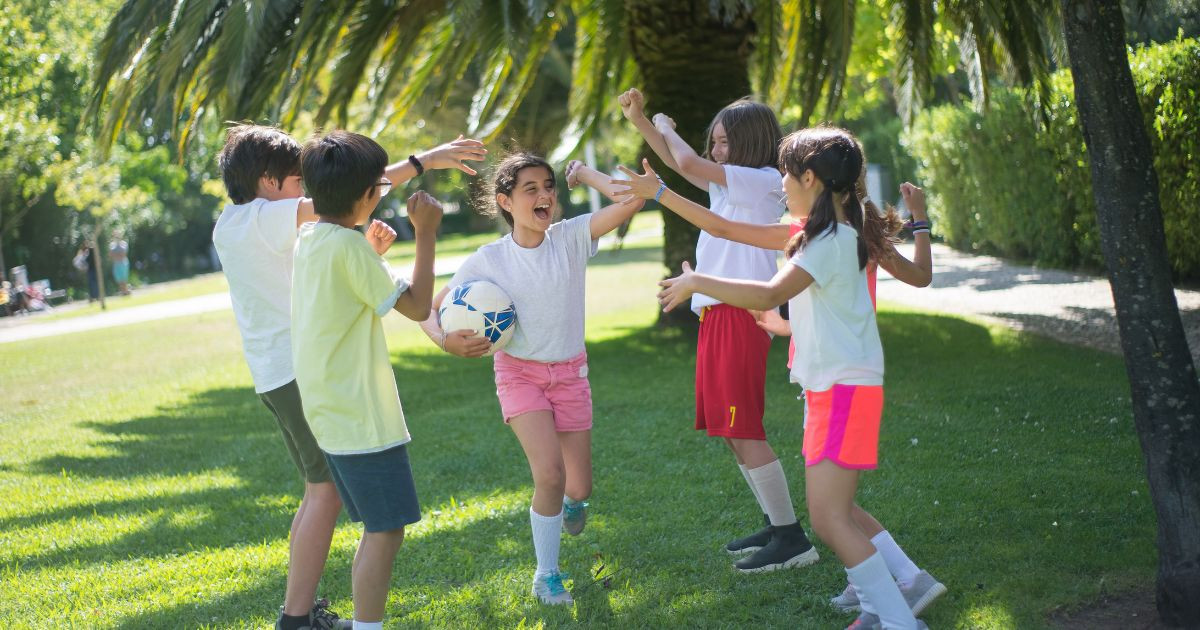
Children aged 10 to 12 are old enough to take on more responsibility, but they still need clear guidance, structure, and encouragement. This is a useful stage for developing psychological resilience, teamwork, and early leadership skills. These abilities do not appear overnight; they grow through practice, reflection, and repeated chances to work with others.
In this age group, resilience is especially important because children are learning to handle stronger opinions, shifting friendships, school pressure, and the frustration that comes with mistakes. Team activities can help them practise these skills in a setting that feels safe and manageable. When adults create the right conditions, children can learn how to cooperate, solve problems, and lead without turning every group task into a competition.
What Psychological Resilience Means for Children
Psychological resilience is the ability to recover after setbacks, adjust to change, and keep going when a task becomes difficult. For children, this may mean coping with not being chosen first, dealing with a disagreement in a group, or trying again after a failed attempt.
Resilience is not the same as being unaffected by stress. Children who are resilient can still feel disappointed or anxious. The difference is that they have some tools to manage those feelings and move forward. Adults can support this by helping children name emotions, calm down, and think through what to do next.
Why Teamwork Helps Build Resilience
Teamwork gives children real opportunities to practise flexibility. In a group, they have to listen to others, share ideas, wait their turn, and adapt when plans change. These small challenges are valuable because they mirror the kind of social situations children face every day.
Working with others also teaches children that success is not always individual. Sometimes a team improves because one person organizes materials, another encourages the group, and another notices a mistake. Seeing different contributions helps children understand that progress often depends on cooperation rather than one “best” performer.
Skills children can develop through teamwork
- Communication: expressing ideas clearly and listening without interrupting.
- Empathy: noticing how others feel and responding respectfully.
- Self-control: managing frustration when a plan changes or a teammate disagrees.
- Problem-solving: working together to choose a solution instead of giving up quickly.
- Responsibility: completing a task because others are depending on them.
How to Develop Basic Leadership Skills
At ages 10 to 12, leadership should be understood as taking initiative, helping a group stay organized, and contributing ideas responsibly. It does not mean dominating others or always being in charge. In fact, children benefit most when leadership is shared and rotates from one activity to another.
Practical ways to support leadership
- Give children small roles: Let them hand out materials, explain the first step of a game, or help summarize the group’s plan.
- Rotate responsibility: Allow different children to lead at different times so leadership feels achievable, not fixed.
- Model respectful leadership: Show how to give directions kindly, include quieter children, and accept suggestions.
- Use short planning tasks: Ask a child to organize a simple activity, such as choosing a game order or dividing a project into steps.
- Reflect afterward: Talk briefly about what worked, what was difficult, and what could be done differently next time.
Adults should keep expectations realistic. A child who hesitates, makes mistakes, or needs reminders is still learning. The goal is steady practice, not flawless performance.
Activities That Support Teamwork and Resilience
Games and group challenges are often the easiest way to build these skills because they make learning concrete. The best activities are those that require cooperation, problem-solving, and a little tolerance for frustration.
Examples of useful group activities
- Building challenges: Ask children to build the tallest tower or strongest bridge from blocks, paper, or other simple materials.
- Blind guidance tasks: One child gives directions while another follows them with limited sight, using clear and calm communication.
- Group problem-solving: Present a situation and ask the team to agree on a solution together.
- Relay-style teamwork games: Use activities where each child contributes one part and the final result depends on everyone.
When choosing activities, safety matters. Trust-based games such as a trust fall are not appropriate for every group and should only be used when children understand the rules, trust the adults present, and can participate without risk of injury or embarrassment. Safer alternatives often work just as well.
How adults can make activities more effective
- Keep groups small enough for every child to participate.
- Set clear rules before the activity starts.
- Focus on cooperation rather than speed alone.
- Highlight effort, not just the final result.
- Stop the activity briefly if children become overwhelmed or conflict begins to escalate.
Teaching Children to Handle Setbacks
One of the most useful lessons children can learn is that mistakes are part of learning. If every setback is treated as a failure, children may become anxious or avoid trying new things. If setbacks are discussed calmly, they can become opportunities to build resilience.
Adults can help by asking simple questions after a difficult task: What happened? What part was hardest? What could we try next time? These questions encourage children to think about solutions rather than blame.
It also helps to normalize temporary disappointment. A child who loses a game or disagrees with a teammate may need a few minutes to settle down. That reaction is normal. What matters is helping the child return to the group and try again.
Everyday Habits That Reinforce Resilience
Resilience grows through routine, not just special activities. Simple daily habits can make a difference:
- Allow manageable challenges: Give children tasks they can stretch into, rather than doing everything for them.
- Encourage self-talk: Help them replace “I can’t do this” with “I can try a different way.”
- Notice effort: Praise persistence, preparation, and cooperation as well as results.
- Provide calm feedback: Correct behaviour without shaming the child.
- Offer chances to help others: Small acts of responsibility can strengthen confidence and belonging.
Examples of Strong Teams and Leaders
Children often respond well to stories about groups that achieved something by working together. Sports teams, school projects, community groups, and creative clubs can all provide useful examples. The point is not to present people as perfect heroes, but to show that progress often comes from persistence, mutual support, and learning from mistakes.
When sharing examples, keep the message practical. Ask what the group did well, how they handled setbacks, and what children could try in their own class, club, or team. This makes the idea of leadership easier to understand and apply.
Conclusion
For children aged 10 to 12, resilience, teamwork, and leadership develop best through repeated, well-supported practice. Group activities, shared responsibilities, and calm guidance give children a chance to learn how to cooperate, recover from setbacks, and contribute to something larger than themselves. The most effective approach is not to push children to be tough all the time, but to help them build the skills they need to work with others and cope with everyday challenges.


