
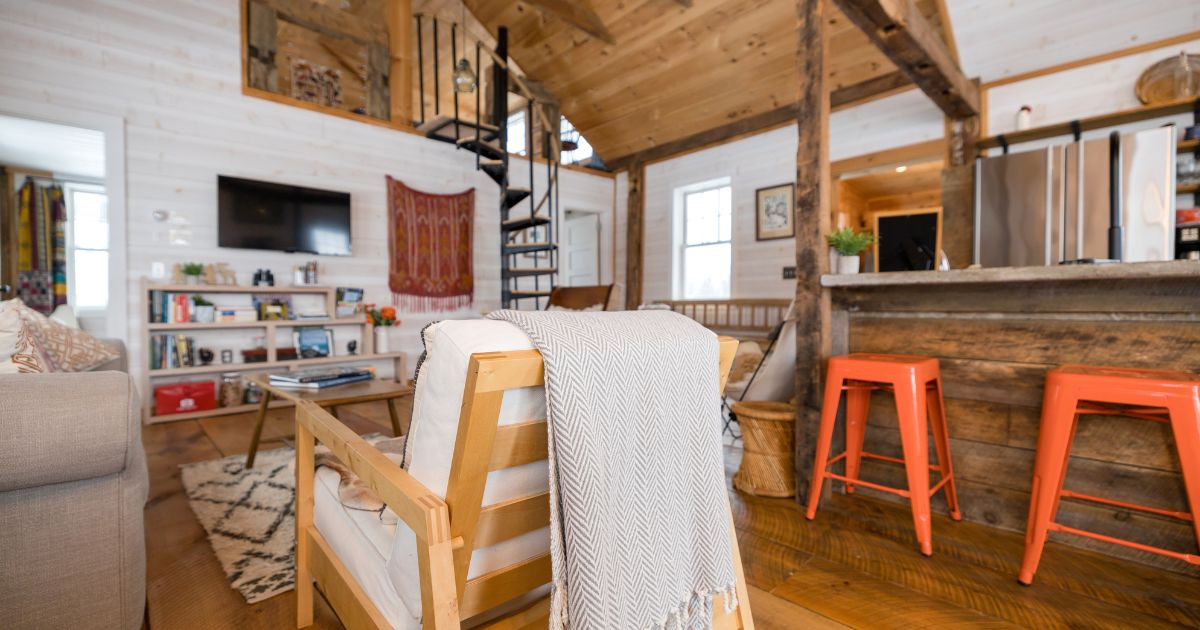
A staycation does not have to mean putting life on pause. If you are spending time at home, you can use part of it to rest and part of it to learn something useful, interesting, or simply enjoyable. The goal is not to turn your break into a second job. It is to create a balanced home-based getaway that leaves you refreshed and a little more capable than before.
Why a learning-focused staycation can be worthwhile
Home is often where unfinished goals stay unfinished. A staycation gives you a rare stretch of time with fewer distractions, which can make it easier to focus on learning that normally gets pushed aside. That might mean improving a work skill, exploring a hobby, or reading about a subject you have wanted to understand better.
This approach can be especially helpful if you want your time off to feel meaningful without overscheduling it. Learning at home can also be flexible: you can choose activities that fit your energy level, budget, and available time. Some people may prefer structured study, while others learn best through hands-on projects, games, or creative work.
Choose the right kind of learning
The best staycation learning plan is realistic. Pick one or two topics instead of trying to cover everything at once. If the aim is personal growth, it helps to choose something specific enough to make progress, but broad enough to stay interesting.
- Job-related skills: A short course in programming, digital marketing, writing, Excel, or data analysis may support your professional development.
- Creative skills: Try photography, drawing, music, cooking, sewing, or another hands-on skill you have wanted to explore.
- General knowledge: Read about history, psychology, science, languages, or current issues to broaden your understanding.
- Practical life skills: You might use the time to improve budgeting, meal planning, home organization, or basic repair skills.
If you already feel overloaded, choose a lighter activity such as reading, listening to educational podcasts, or watching a short lecture series. Learning should support the staycation, not overwhelm it.
Educational activities that work well at home
Online courses and workshops
Online courses can be a practical way to structure your time. Platforms such as Coursera, edX, and Udemy offer courses in many subjects, from technical training to personal interests. Virtual workshops can be useful too, especially if you want live instruction or a more interactive format. Before enrolling, check the time commitment and whether the course is beginner-friendly.
Reading with a clear purpose
Reading is one of the simplest ways to learn during a staycation. A good reading list can include non-fiction, essays, biographies, or fiction that helps you see the world differently. If you want to retain more of what you read, keep a notebook for key ideas, unfamiliar terms, or questions you want to explore later.
Personal projects
A project gives your learning a concrete result. You could research a topic, build a small website, start a journal, plan a garden, or write a series of blog posts about something you are learning. The project does not need to be large. A small, finished task is often more satisfying than a vague ambition.
Learning through play and practice
Games can make learning feel less formal while still helping you think, recall information, and solve problems. They are especially useful if you want variety during a longer staycation.
- Board games: Word and trivia games such as Scrabble or Trivial Pursuit can strengthen vocabulary and general knowledge.
- Online learning games: Interactive exercises, such as those available through Khan Academy, may help with math, science, and other subjects.
- Custom quizzes: You can make your own quiz for yourself, your family, or friends around a topic you are studying.
Games work best when they match your goal. A trivia game can reinforce memory, while a puzzle or strategy game may support planning and problem-solving. Not every game teaches a formal skill, but many still encourage focus and curiosity.
Personal growth beyond formal study
Personal growth is not limited to courses or books. A staycation can also be a good time to pay attention to habits that support your overall well-being and learning capacity.
- Mindfulness and meditation: A few quiet minutes a day may help some people settle their attention and reduce mental clutter.
- Physical activity: Walking, yoga, running, stretching, or dancing can support energy and concentration.
- Connecting with others: Online groups, forums, or classes can make learning more social and help you stay motivated.
If you are new to any of these practices, keep expectations modest. Even short sessions can be enough to build a routine during a staycation.
How to organize a staycation without overplanning it
A good plan keeps your time from disappearing, but it should still leave room for rest. A simple structure often works better than a packed schedule.
- Set one main focus for the week: For example, complete a short course, read one book, or finish one small project.
- Mix active and quiet time: Alternate learning with breaks, movement, meals, and unstructured downtime.
- Create a learning space: A tidy desk, comfortable chair, and minimal distractions can make it easier to concentrate.
- Track progress lightly: A checklist or brief notes can help you see what you have completed without making the experience feel rigid.
Try not to fill every hour. The point of a staycation is still to feel like a break. If you schedule too much, the experience can become stressful instead of restorative.
Common mistakes to avoid
One common mistake is choosing activities that are too ambitious for the time available. Another is trying to learn in a way that does not suit you. For example, if you dislike long video lessons, a course-heavy plan may quickly lose momentum. It is also easy to mistake activity for progress: browsing educational content is not the same as practicing, taking notes, or finishing a project.
It helps to be honest about your energy level. If you are tired, low-effort learning such as reading, listening, or reviewing notes may be more sustainable than starting something demanding.
Making the most of your time at home
A staycation can be restful, but it can also be a useful reset. When you combine relaxation with learning, you may end up with more than a few quiet days at home. You may also leave with a new skill, a finished project, or a clearer sense of what you want to explore next.
The most effective plan is usually simple: choose a focus, keep the schedule manageable, and leave enough space to enjoy the break itself. That way, your staycation becomes both refreshing and genuinely productive.


