
Restoration of Family Values and Intergenerational Relationships After the Fall: A Path to Harmony and Personal Growth
Nowadays, we increasingly encounter the topic of intergenerational relationships and family values, especially among people aged 60+. After the fall of old systems and the change of societal values, it is important to reflect on how we can restore and strengthen these relationships within our families. This blog focuses on how we can utilize our experiences and gain new perspectives on the family relationships and values that connect us.
Intergenerational relationships are key to a healthy family dynamic. Older family members possess a wealth of life experiences and wisdom that they can pass on to younger generations. Similarly, younger family members bring new perspectives and energy that can enrich family relationships. To create harmonious intergenerational relationships, it is necessary to work on communication, empathy, and understanding.
In this section of the blog, we will look at several recommendations that can help strengthen family values and intergenerational relationships:
- Open Communication: Establish family meetings where everyone can express themselves and share their opinions. Build an environment of trust and understanding.
- Creating Shared Traditions: Together, create family traditions that reflect your family's values and interests. This could include regular family nights, outings, or joint celebrations.
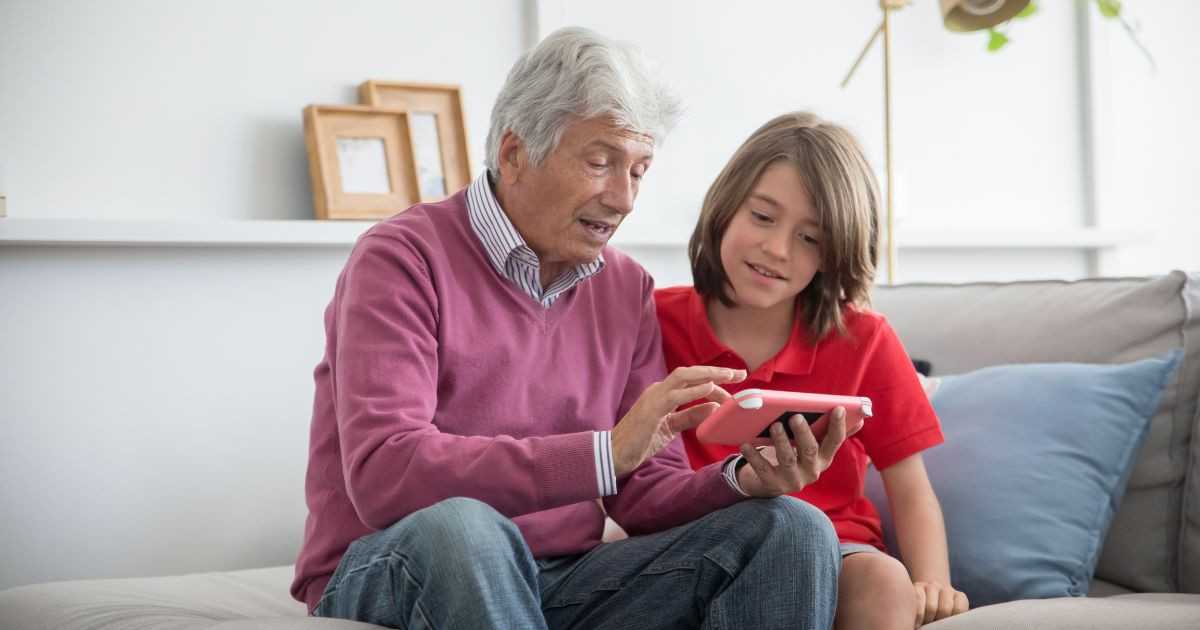
- Mutual Support: Support each other in your interests and goals. Older family members can mentor younger ones, and conversely, younger members can help older ones with technology or other novelties.
- Parenting and Grandparenting Programs: Organize workshops or meetings where parents and grandparents can learn about the latest trends in parenting and psychology.
- Family Games and Activities: Create a list of games and activities that can connect generations. Games like Scrabble, cards, or board games promote interaction and fun.
In addition to recommendations, it is important to consider personal and professional growth. Age 60+ is not an end, but a new beginning. Many people discover new interests and career opportunities even later in life. Therefore, it is essential not to give up on our dreams and ambitions.
Here are some ideas on how to stimulate personal and professional growth:
- Education and Courses: Consider participating in online courses or workshops in areas that interest you. You can learn new skills or expand your knowledge.
- Volunteering: Get involved in local organizations or projects where you can help others while also developing your skills.
- Mentoring and Coaching: Become a mentor for younger individuals or engage in programs where you can receive support and advice from more experienced professionals.
- Networking: Build a network of contacts with people in your field or area of interest. This can lead to new opportunities and collaborations.
- Personal Development: Focus on personal development, meditation, fitness, and mental health. Maintain a healthy lifestyle and take care of your mental and physical well-being.
In conclusion, restoring intergenerational relationships and family values after the fall of old systems is an important step towards creating harmonious and supportive family dynamics. This process may seem challenging, but with an open mind and a willingness to learn and grow, we can create an environment where all generations feel valued and supported. Remember, age is just a number, and it is never too late to become a better version of yourself.


