
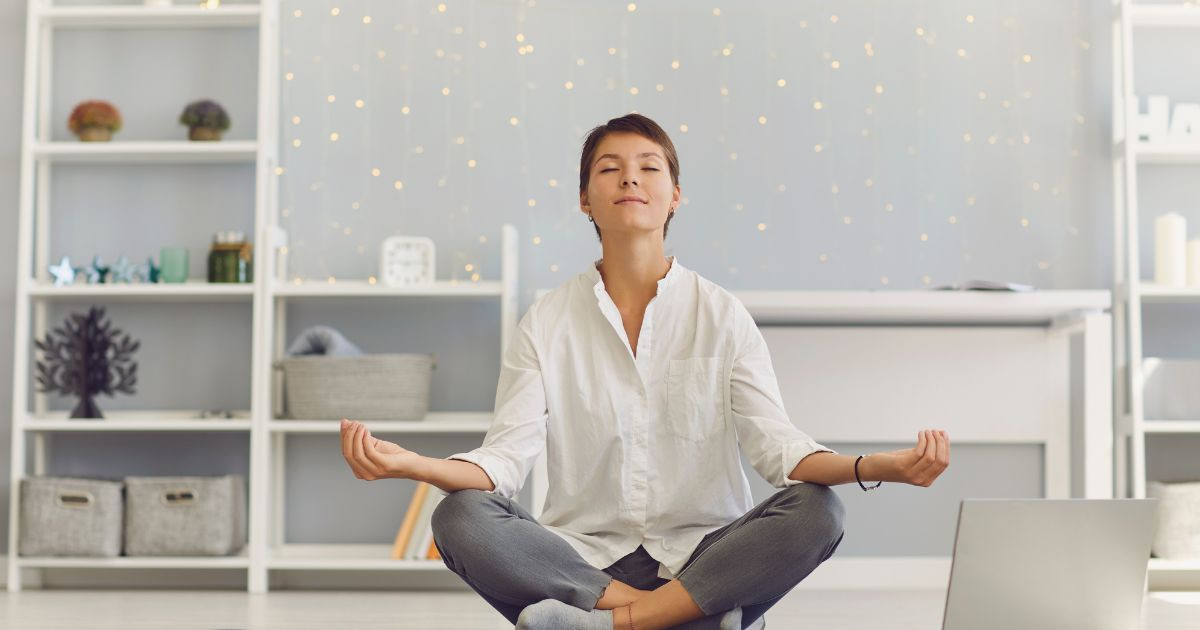
Stressful moments are unavoidable, but how you respond to them can make a real difference. Being able to relax, even a little, may help you think more clearly, communicate better, and avoid reacting in ways you later regret. It is also a useful skill in daily life, not just something for emergencies. In this article, you will find practical ways to calm yourself in the moment and build a better baseline over time.
Why the ability to relax matters
Relaxation is not about ignoring pressure or pretending everything is fine. It is about giving your mind and body a chance to settle so you can respond more effectively. When stress stays high for too long, people often find it harder to focus, solve problems, sleep well, or stay patient with others. Learning to relax may support mental well-being, productivity, creativity, and relationships because it reduces the chance that stress controls your decisions.
This skill is especially useful when you cannot change the stressful situation immediately. A delayed meeting, a difficult conversation, a sudden setback, or an overloaded schedule may still need to be handled, but a calmer state can make the next step easier to choose.
Simple ways to relax in the moment
Different techniques work for different people, and some situations call for faster tools than others. The goal is not to force yourself to feel perfect. It is to lower the intensity enough to regain control.
Use slow breathing
Breathing exercises are one of the simplest ways to interrupt the stress response. A common approach is to inhale gently through your nose, pause briefly, and exhale slowly through your mouth. The exhale should usually be longer than the inhale. Even a few cycles may help your body settle.
If counting helps, try breathing in for four counts and out for six. If counting makes you more tense, just focus on making your breathing slower and smoother than usual.
Step away for a short reset
If possible, leave the situation for a minute or two. Walk to another room, get water, or look out a window. A brief change of environment can give your nervous system time to calm down and may prevent a small problem from becoming a bigger reaction.
Release physical tension
Stress often shows up in the body as tight shoulders, clenched jaws, or shallow breathing. Gently relaxing those areas can help. Lower your shoulders, unclench your hands, and loosen your jaw. Some people also benefit from a short stretch or a slow walk.
Use grounding techniques
When your thoughts are racing, grounding can help bring attention back to the present. You might name five things you can see, four you can feel, three you can hear, two you can smell, and one you can taste. This does not remove the problem, but it can reduce the feeling of being mentally overwhelmed.
Habits that make relaxation easier over time
It is easier to stay calm under pressure when your overall routine supports recovery. These habits do not eliminate stress, but they may improve your ability to handle it.
- Get enough sleep: Poor sleep can make stress feel more intense and harder to manage.
- Move your body regularly: Exercise may help reduce built-up tension and improve mood.
- Eat and hydrate consistently: Skipping meals or becoming dehydrated can make you feel more irritable or drained.
- Spend time outdoors when you can: Nature and fresh air may have a calming effect for many people.
- Protect short breaks: Small pauses during the day can help prevent stress from building continuously.
Common mistakes to avoid
People often assume relaxing means doing nothing, but that is not always true. Sometimes it means choosing the next helpful action after a pause. It can also be a mistake to wait until you are completely overwhelmed before trying to calm down. Practicing these skills when stress is mild can make them easier to use when pressure increases.
Another common mistake is expecting one technique to work every time. Breathing may help in one moment, while a short walk or a quieter environment may work better in another. If a method does not help, it does not mean you failed. It may simply not be the right tool for that situation.
When extra support may be needed
Stress is a normal part of life, but if you often feel unable to relax, if stress is affecting your sleep or daily functioning, or if you feel persistently overwhelmed, it may help to speak with a qualified professional. Practical stress-management skills can be useful, but they are not a substitute for proper support when stress becomes too difficult to handle alone.
Building the skill gradually
Relaxing under pressure is a skill, and like any skill, it improves with repetition. Start with one or two techniques that feel realistic, and use them in low-pressure situations first. Over time, you may find that it becomes easier to pause, breathe, and respond with more clarity when stress appears. That does not remove every difficult moment, but it can make those moments more manageable.


