
After 60, many people want to stay mentally sharp, confident, and engaged with daily life. Creativity can be one useful part of that goal. It does not need to mean producing art for an audience. It can be as simple as writing, making music, solving problems in new ways, or learning a craft that asks you to think, remember, and adapt.
Creative activity may support brain health because it keeps the mind working in more than one way at once. It can involve memory, attention, planning, coordination, and decision-making. Just as importantly, it may make mental exercise feel enjoyable enough to continue over time. That matters, because consistency is usually more valuable than intensity.
This article looks at practical ways to keep your brain active through creativity, games, learning, and social connection. It also explains what these activities can realistically do, and where their limits are.
Why creativity matters for brain activity after 60
Creativity is not limited to artists. It includes any activity where you combine ideas, experiment, make choices, and solve small problems. A person writing memoirs, rearranging a garden, trying a new recipe, or learning to photograph may all be using creative thinking.
These activities can engage several mental functions at the same time. For example, writing may involve recalling events, organizing them into a sequence, and choosing words. Knitting may require pattern recognition, fine motor control, and concentration. Music may involve listening, timing, memory, and coordination. When different parts of the brain are used together, the activity may help keep those skills in use.
Creative habits may also support emotional well-being. Many people find that making something with their hands or expressing thoughts in a personal way reduces stress and gives structure to the day. Lower stress and better mood do not prevent cognitive decline on their own, but they can make it easier to stay active, social, and motivated.
Creative activities that are easy to start
The best creative activity is one you will actually do. It should be interesting, manageable, and suited to your energy level. Starting small is often better than choosing a project that feels impressive but quickly becomes frustrating.
- Journaling: Write a few lines each day about events, memories, ideas, or questions. You do not need perfect grammar or a polished style. The goal is to practice recall and self-expression.
- Drawing or painting: Try simple sketches, color studies, or still-life drawings. You do not need formal training to benefit from observing shapes, shades, and details.
- Sewing, knitting, or crocheting: These crafts combine focus, repetition, and hand coordination. They can also be easy to pause and resume, which makes them practical for daily life.
- Music: Learning an instrument, singing, or even following rhythms may challenge memory and attention. If you are new to music, short practice sessions are enough to begin.
- Photography: Taking photos encourages you to notice light, composition, and details in ordinary scenes. It can be done on walks, during travel, or around the home.
If you have not been creative in years, choose one activity and keep the first steps very simple. Ten to fifteen minutes a day is enough to build a habit.
Games and exercises that challenge the mind
Creative activities work best when combined with other forms of mental exercise. Different tasks challenge the brain in different ways, so variety is useful.
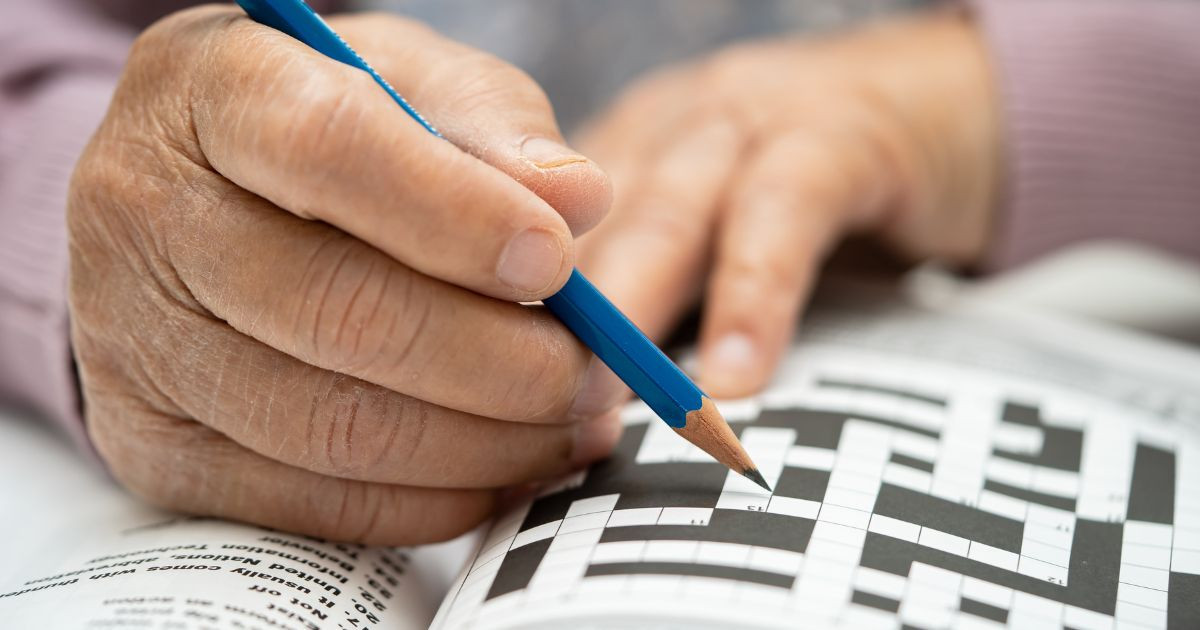
- Crosswords and word games: These may help with vocabulary, recall, and pattern recognition.
- Sudoku and logic puzzles: These ask you to track relationships and work through problems step by step.
- Board games and card games: Playing with others adds planning, memory, and social interaction. It can also make the activity more enjoyable and easier to sustain.
- Brain-training apps: These can be useful for short practice sessions, but they should not be treated as a cure-all. A game that improves one skill does not necessarily improve every aspect of thinking.
It is often better to combine puzzles with real-life challenges. For example, planning a meal, following a new route, or learning how to use a device can be just as mentally demanding as a puzzle app, and often more practical.
Longer creative projects that build purpose
Some people prefer short activities, while others benefit from a project with a clear goal. A longer project can provide a sense of progress and give the brain repeated practice over time.
- Write memoirs or family stories: This can help you organize memories, reflect on experiences, and preserve them for relatives or friends.
- Start a blog or newsletter: If you enjoy writing, publishing your thoughts or projects can provide structure and an audience.
- Create an exhibition or showcase: This may suit people who paint, photograph, quilt, or work in other visual forms. A public goal can be motivating, but it is optional.
- Build a personal project: A garden design, a handmade gift series, or a themed photo archive can all offer creative problem-solving with a clear outcome.
Long-term projects should remain realistic. A project that is too large may become discouraging, especially if energy, eyesight, or hand strength changes over time. Breaking the work into stages makes it easier to continue.
Social contact strengthens the benefit
Creativity is often more sustainable when it happens in connection with other people. Social interaction adds conversation, memory, cooperation, and emotional support, all of which can contribute to mental well-being.
Useful options include local classes, community centers, reading groups, art workshops, music groups, and volunteering. These settings may provide both structure and encouragement. They can also reduce isolation, which is important because loneliness can make it harder to stay mentally engaged.
If you prefer to stay at home, you can still add a social element by sharing your work with family, joining an online group, or exchanging ideas with a friend. The point is not public performance; it is regular human connection.
How to build a realistic routine
If you want creative activity to support brain health, routine matters more than perfection. A practical plan is usually simple:
- Choose one activity that feels appealing and manageable.
- Set a specific time, such as after breakfast or before dinner.
- Start with short sessions and increase only if it feels comfortable.
- Mix creative work with puzzles, reading, or conversation.
- Review what feels enjoyable and what feels too difficult, then adjust.
It also helps to match activities to your abilities. If your hands tire easily, try writing, audio-based learning, or photography instead of fine-detail crafts. If you find it hard to concentrate for long periods, short and varied sessions may work better than one long task.
What creativity can and cannot do
Creative activity may help keep the mind engaged, but it is not a guaranteed way to prevent dementia or other cognitive conditions. Brain health is influenced by many factors, including sleep, physical activity, social contact, hearing and vision care, general health, and medication management. Creativity is best viewed as one helpful part of a broader lifestyle.
It is also normal for learning to feel slower with age. That does not mean the brain is no longer capable of growth. It may simply mean that new skills take more patience and repetition. The goal is steady mental use, not instant mastery.
If you notice major memory changes, confusion, or difficulty managing everyday tasks, it is important to speak with a qualified health professional. Creative activity can be valuable, but it should not replace medical advice when symptoms are concerning.
A practical way to begin
You do not need a special talent or a large amount of free time to support mental activity after 60. A notebook, a puzzle book, a set of paints, a camera, or a local class may be enough to get started. Choose one activity, keep the first steps small, and make it part of your week. Over time, the combination of creativity, mental challenge, and social contact may help you stay more engaged and confident in daily life.


