
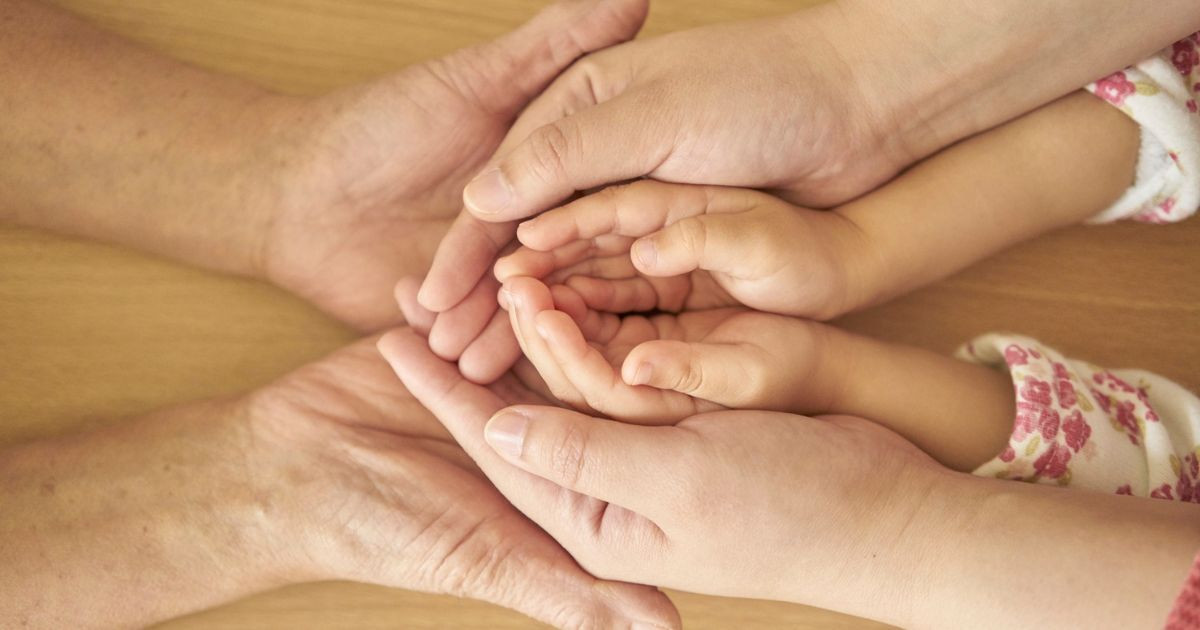
Age diversity is increasingly relevant in workplaces and everyday life because people from different generations often bring different habits, expectations, and strengths. When those differences are acknowledged rather than ignored, they can improve teamwork, learning, and problem-solving. This article looks at what age diversity means in practice, why it matters, and how to make it work more effectively in professional and personal settings.
Acceptance of age diversity starts with a simple idea: people do not think, communicate, or work in exactly the same way, and age can be one factor behind those differences. Younger people may be more familiar with digital tools or emerging trends, while older people may contribute experience, context, and a longer view of how decisions play out over time. Neither perspective is automatically better. The value comes from combining them thoughtfully.
Why age diversity matters
Age diversity can be useful for organizations and relationships because it broadens the range of perspectives available when decisions are made. A team made up of people with different life stages is often better able to notice blind spots, question assumptions, and adapt to change.
- Innovation: Different generations may approach the same problem in different ways, which can lead to more practical and creative solutions.
- Resilience: Teams that include people with varied experience levels may be better prepared to respond calmly when plans change.
- Knowledge transfer: Experienced employees can pass on institutional memory, while newer employees can share up-to-date tools and methods.
- Broader understanding: A mixed-age environment can help people better understand customers, colleagues, family members, and communities with different needs.
Age diversity is not automatically beneficial on its own. If people are not respected, or if communication is poor, differences can turn into tension. The advantage appears when those differences are managed with clear expectations and mutual respect.
How to put age diversity into practice
In the workplace, age diversity works best when it is supported by everyday habits rather than treated as a slogan. Small, consistent actions usually matter more than one-off events.
Build mixed-age teams carefully
When possible, assign people from different age groups to the same projects. A mixed team can help balance speed, experience, and fresh thinking. To make this work, define roles clearly so that no one feels overlooked or stereotyped.
Create two-way mentoring
Traditional mentoring usually moves from senior to junior staff, but reverse mentoring can also be useful. For example, a younger employee might help a senior colleague navigate a new platform, while an experienced colleague explains how to handle a client or navigate a complex process. This exchange works best when both sides are treated as contributors rather than as experts and beginners.
Offer training that addresses assumptions
Awareness workshops can help employees recognize common age-related assumptions, such as the idea that older workers resist change or younger workers lack commitment. These stereotypes are often misleading and can damage trust. Training should focus on communication, collaboration, and practical examples rather than abstract messaging.
Encourage open discussion
Age differences are easier to manage when people can discuss them respectfully. That does not mean asking employees to justify their age or experience. It means creating space to talk about work preferences, communication styles, and expectations so misunderstandings can be resolved early.
Activities that help people understand one another
Shared activities can make age diversity easier to experience in a positive way. They are especially useful when a group needs to build trust quickly.
- Generational quizzes: A light quiz can highlight cultural references, workplace changes, or historical context from different periods without turning differences into a joke.
- Mixed group projects: Teams with varied ages can collaborate on a task that requires both planning and practical execution.
- Story sharing: Inviting people to share a professional challenge, a career change, or a meaningful life lesson can build empathy and reduce distance.
These activities should be inclusive and respectful. The goal is not to label people by age, but to help them understand one another beyond first impressions.
What commitment to age diversity really means
Commitment to age diversity is more than saying that differences are welcome. It means creating conditions where people of different ages can contribute on equal footing. In practice, this includes fair access to opportunities, respectful communication, and attention to how decisions affect people at different stages of life.
It also means avoiding hidden bias. For example, a manager should not assume that one employee is too old to learn a new tool or that another is too young to lead a meeting. Good leadership focuses on ability, readiness, and support needs, not age alone.
Personal and professional growth through age diversity
Exposure to different generations can support growth because it challenges people to adjust their habits and broaden their thinking. Younger professionals may develop patience, context, and listening skills. Older professionals may gain confidence with new systems, trends, or ways of collaborating. In personal life, age diversity can improve understanding across families, friendships, and communities by making conversations more open and less judgmental.
This growth is usually gradual. It comes from repeated contact, active listening, and a willingness to revise assumptions. It does not happen simply because people of different ages are in the same room.
Practical tips for working well across generations
- Be open to different methods: A different approach is not necessarily a wrong one.
- Ask questions before making assumptions: If a colleague’s style seems unusual, ask how they work best.
- Accept feedback: Advice from another generation can be useful even when it challenges your usual habits.
- Adjust your communication: Some people prefer direct messages, while others want more context or more time to respond.
- Show curiosity and respect: Interest in another person’s experience often leads to better cooperation than trying to prove a point.
Age diversity becomes a strength when people focus on shared goals while respecting differences in experience, pace, and perspective. Whether in a workplace, family, or community, the key is not to erase generational differences but to make them useful.


