
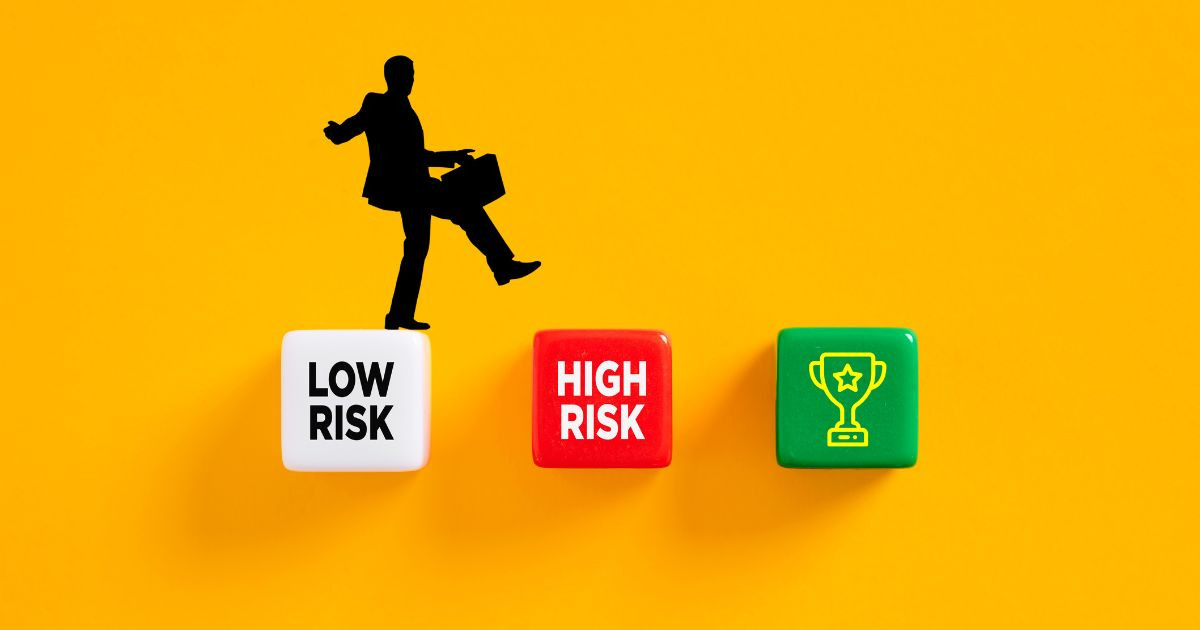
Unexpected situations are a normal part of life. A project changes, plans fall through, or a personal challenge appears without warning. You cannot prevent every disruption, but you can build habits that make it easier to respond clearly instead of react impulsively. The goal is not to control everything. It is to stay flexible, think through options, and recover faster when circumstances change.
Why adaptability matters
Adaptability is the ability to adjust your thinking and actions when conditions change. In practice, it can help you work through uncertainty, solve problems under pressure, and keep moving even when your original plan no longer fits. This matters in both personal and professional life because most goals require you to deal with setbacks, delays, and new information.
Adaptable people are not necessarily those who enjoy change. More often, they have built routines that help them pause, assess the situation, and choose a response instead of feeling stuck. That skill can be learned.
Habits that make unexpected situations easier to handle
Some habits support adaptability directly by improving how you think, plan, and respond. The most useful ones are simple enough to practice regularly.
Accept that change is part of normal life
The first habit is a practical mindset: assume that plans may need to change. That does not mean expecting failure. It means recognizing that delays, surprises, and interruptions are common. People who treat change as normal are usually less shaken when it happens.
You can build this habit by asking a few questions when plans shift:
- What has actually changed?
- What still stays the same?
- What is the next best step?
This keeps the focus on the current situation instead of on frustration about what should have happened.
Use critical thinking before acting
When something unexpected happens, the first reaction is often emotional. Critical thinking helps you slow down and examine the situation more carefully. That does not mean overanalyzing every detail. It means separating facts from assumptions.
A simple way to do this is to ask:
- What do I know for sure?
- What am I assuming?
- What are the possible options?
- What is the likely consequence of each option?
This habit is especially useful at work, where fast reactions can create more problems than the original issue. It also helps in daily life when you need to decide whether to adjust, wait, ask for help, or take action immediately.
Keep your planning flexible
Rigid plans can break easily. Flexible planning gives you room to adjust without starting over. One useful method is to plan for a main outcome and one or two alternatives. For example, if your schedule is tight, leave space for delays instead of filling every minute.
Flexible planning may include:
- building in extra time for important tasks,
- identifying backup options in advance,
- reviewing priorities when circumstances change,
- accepting that some goals need to be delayed rather than abandoned.
This approach is not about lowering standards. It is about making your plans realistic enough to survive unexpected events.
Practice emotional control in stressful moments
Unexpected situations often become harder to manage when stress takes over. A useful habit is to create a short pause before responding. That pause may be as simple as taking a breath, stepping away briefly, or writing down what needs attention first.
Emotional control does not mean ignoring your feelings. It means noticing them without letting them make every decision. When you are calmer, you are more likely to communicate clearly, ask useful questions, and avoid rushing into a choice you may regret.
Keep learning from previous setbacks
People become more adaptable when they reflect on what happened after a disruption. A short journal entry can help you track what the situation was, how you responded, and what worked or did not work. Over time, this creates a practical record of patterns you can use later.
Useful questions for reflection include:
- What was the unexpected part of the situation?
- What did I do that helped?
- What made the situation worse?
- What would I do differently next time?
This habit is most effective when it stays simple. The aim is learning, not self-criticism.
Activities that can strengthen adaptability
Some activities make it easier to practice flexibility in low-risk situations. They are not substitutes for real experience, but they can help you get more comfortable with change.
Simulation and strategy games
Games that require quick decisions, shifting rules, or teamwork can help you practice responding to changing conditions. The value comes from noticing how you adjust when the situation changes, not from winning. Simulation-style games can be especially useful because they create a controlled environment where you can test different responses.
Team projects and group activities
Working with other people is a practical way to build adaptability because you must deal with different communication styles, priorities, and expectations. Sports, volunteer work, and group assignments can all teach you how to adjust when someone else changes the plan or approaches a problem differently.
Small changes in your routine
You do not need a major life event to practice flexibility. Small changes can help you become more comfortable with unfamiliar situations. Take a different route once in a while, change the order of your morning routine, or try a new type of reading or learning activity. These changes train you to handle mild uncertainty without feeling unsettled.
Supportive habits that also help growth
Some habits do not train adaptability directly, but they strengthen the skills that make adaptability easier.
Seek feedback from others
Mentors, coaches, colleagues, or trusted friends can offer perspectives you may miss on your own. Feedback is useful when you want to understand how you respond under pressure and where you tend to get stuck. The most valuable feedback is specific, so ask about a recent situation rather than asking for general advice only.
Continue learning new skills
Education and short courses can help because new knowledge gives you more options when circumstances change. For example, learning basic project management, communication, or problem-solving skills may make it easier to handle unexpected tasks or deadlines. New skills also build confidence, which can reduce hesitation in unfamiliar situations.
Notice when flexibility has limits
Being adaptable does not mean agreeing to everything or constantly changing direction. Some situations require firm boundaries, clear priorities, or more information before acting. If a change would harm your safety, well-being, or core responsibilities, it is reasonable to slow down and reassess. Adaptability works best when it is balanced with judgment.
How to put these habits into practice
A simple way to start is to choose one habit and use it consistently for a few weeks. For example, you might focus on pausing before reacting, writing a short reflection after setbacks, or adding one backup option to your plans. Small, repeatable actions are usually easier to maintain than a large personal overhaul.
If you want a practical routine, try this sequence when something unexpected happens: identify the change, separate facts from assumptions, choose the most immediate next step, and review the result afterward. Repeating that process can make handling surprises feel more manageable over time.
Conclusion
Unexpected situations are unavoidable, but helplessness is not. Habits such as flexible planning, critical thinking, emotional control, and regular reflection may help you respond more effectively when life changes course. The more often you practice these habits, the easier it becomes to adjust without losing momentum.


