
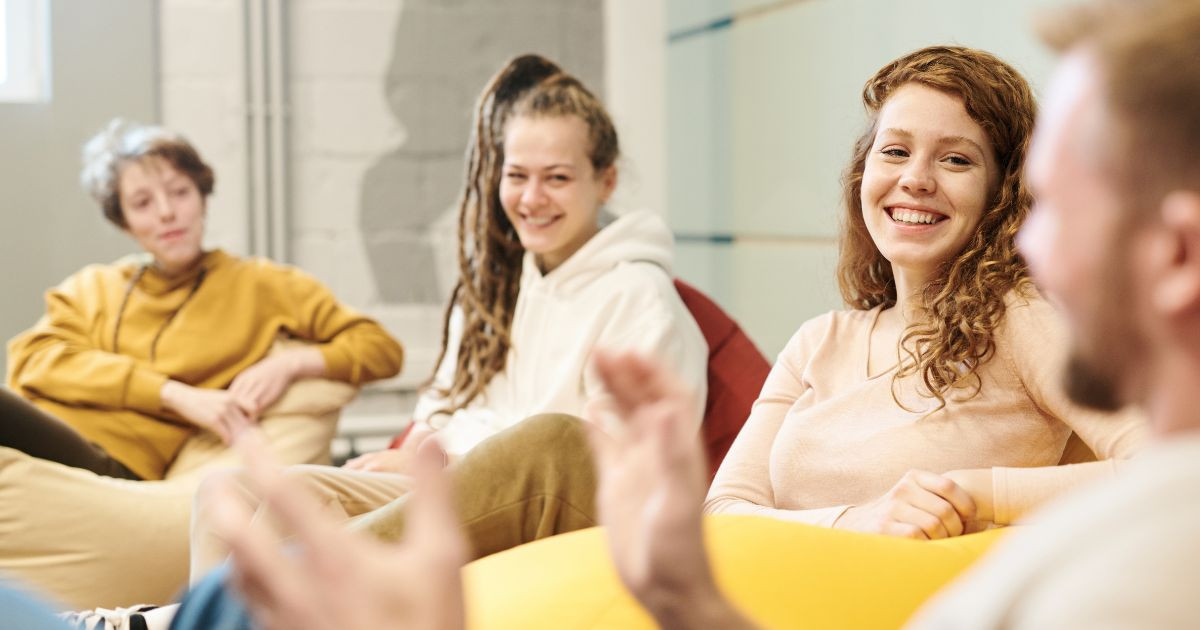
Nonverbal communication is a powerful tool that can help us discover our own courage and potential. Gestures, facial expressions, and overall body language often reveal much more than we realize. If we want to grow as individuals, it is important to learn to read the signals we send and also the signals we receive from others.
In this blog, we will explore how you can utilize nonverbal communication to improve your personal and professional growth. We will examine various aspects of body language and gestures that can reflect your courage and willingness to learn. We will also provide practical exercises, recommendations, and interesting ideas to help you better understand this fascinating area.
What is Nonverbal Communication?
Nonverbal communication encompasses all forms of communication that are not expressed in words. It can include gestures, facial expressions, body movements, posture, tone of voice, and even the emanation of energy. These signals can have a significant impact on how others perceive us and how we feel about ourselves.
Why is Nonverbal Communication Important?
Nonverbal communication is key to building relationships, expressing emotions, and influencing others. It is a language used worldwide and for many, it is even stronger than verbal communication. If you learn to understand nonverbal signals, you will be better able to adapt to situations, gain greater confidence, and develop your skills.
Gestures and Their Meanings
Gestures are one of the most visible aspects of nonverbal communication. They can indicate your self-confidence, openness, and willingness to learn. Here are some common gestures and their meanings:
- Opening hands: Gestures where the hands open signal openness and a willingness to receive new information.
- Crossing arms: This posture can indicate a defensive stance or lack of self-confidence. Try to focus on open gestures that enhance interaction.
- Smile: A smile is a universal symbol of friendliness and a positive attitude. It helps create a pleasant atmosphere.
- Right hand on heart: This gesture can indicate sincerity and openness to new experiences.
Body Language and Its Impact on Learning
Your body language can influence your learning and ability to absorb new information. If you feel nervous, your body language may stiffen, which negatively affects your ability to absorb knowledge.
To improve your learning, try the following techniques:
- Consider your posture: Try to sit or stand up straight, which will help you feel more confident.
- Engage in active listening: Not only focus on what the other person is saying, but also on how you respond with your body language.
- Practice open gestures: Open gestures will help you feel comfortable and relaxed when interacting with others.
Courage to Learn Through Nonverbal Communication
The courage to learn is about how to face challenges and embrace new experiences. When you learn to utilize nonverbal communication, you gain tools that help you express your willingness to learn and grow. You also become more aware of the signals that others send you.
Here are some tips for developing the courage to learn through nonverbal communication:
- Be aware of your gestures: Try to observe what gestures you use when talking to others. This may surprise you and help you adapt to the situation.
- Practice empathy: Try to understand what others feel based on their body language. This way, you will learn to respond better and adapt to their needs.
- Role-playing: Try to engage in games where you swap roles. This way, you can experiment with different nonverbal signals and their effects.
Games to Improve Nonverbal Communication
There are many games and exercises that can help improve your nonverbal communication skills:
- Gesture Game: In groups, play a game where one person demonstrates a gesture and others try to guess what it means. This way, you train your observational skills.
- Emotion Game: Have someone express emotions using only body language, and others must guess what they are conveying. This helps develop empathy and understanding.
- Mirror Game: Two people stand opposite each other, and one mimics the movements and gestures of the other. This improves cooperation and nonverbal perception.
Recommendations for Further Study
To become an expert in nonverbal communication, here are some books and resources you should consider:
- "The Body Speaks" by Allan Pease: A book that addresses the basics of nonverbal communication and its significance in everyday life.
- "The Psychology of Nonverbal Communication" by Paul Ekman: A work that deals with emotions and their expression through body language.
- Online Courses: There are many online courses and workshops that focus on nonverbal communication. Try to participate in one of them.
Conclusion
Nonverbal communication is a fascinating and powerful part of our everyday lives. Through gestures, facial expressions, and body language, we can reveal our courage and willingness to learn. If you learn to read these signals and adapt to them, you will open doors to personal and professional growth. Remember that learning is a lifelong process, and courage is the key to becoming the best you can be.


