
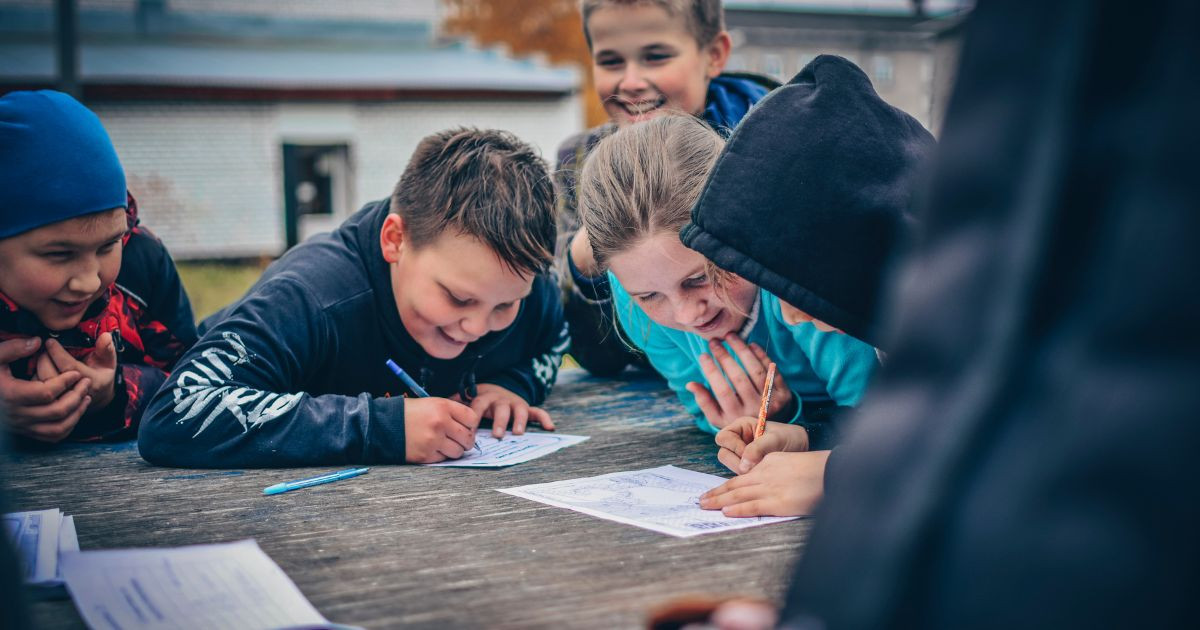
Developing the courage to learn is crucial for children's overall growth and their ability to collaborate and communicate effectively. The ages of 7 to 9 are particularly significant, as children begin to solidify these social and learning skills. This article discusses how personal coaching can support children in building confidence and competence in these areas.
Personal coaching for children involves more than just giving advice—it creates a supportive environment where children feel safe to make mistakes and learn from them. The following sections outline practical methods and activities that can foster courage and improve children’s collaboration and communication abilities.
The Importance of Teaching Collaboration and Communication
These skills are vital not just for academic success but also for everyday social interactions. Teaching children to collaborate and communicate effectively helps them:
- Build positive relationships with peers and adults
- Work successfully in teams to achieve shared goals
- Develop empathy and understanding for others
- Express their thoughts and feelings clearly
- Resolve conflicts constructively
The Role of Personal Coaching
Personal coaching tailors its approach to the individual needs of each child. It can assist children in:
- Recognizing and strengthening their personal skills and qualities
- Overcoming fears related to failure or rejection
- Learning to set and work towards achievable goals
- Nurturing a positive attitude toward learning and teamwork
- Enhancing communication skills and self-esteem
Practical Techniques and Activities
Engaging activities can make developing these skills enjoyable and effective. Some useful techniques include:
Teamwork-Based Games
- Tower Building: Children team up to build the tallest tower using various materials, fostering communication and coordination.
- Hidden Treasure: Groups use clues to find a hidden treasure, promoting collaboration and problem-solving.
- Storytelling Circle: Children create a story by each adding a word, encouraging active listening and responsive communication.
Activities to Improve Communication
- Active Listening: Children practice listening and paraphrasing to confirm understanding.
- Assigned Roles: Children take turns playing roles like leader or recorder in group tasks, supporting communication and support skills.
- Emotion Cards: Using cards that depict feelings, children learn to identify and articulate their emotions, fostering emotional awareness and expression.
Creating a Supportive Environment
Beyond activities, the environment plays a critical role. Tips to foster a positive space include:
- Encouraging open dialogue and curiosity
- Using positive language and reinforcing constructive feedback
- Valuing diversity and differing opinions
Conclusion
Supporting children in developing confidence to learn and collaborate opens pathways for lifelong success. Personal coaching, combined with engaging activities and a nurturing environment, can effectively help children build these foundational skills. By fostering courage and communication, we help unlock each child's potential and support their holistic development.


