
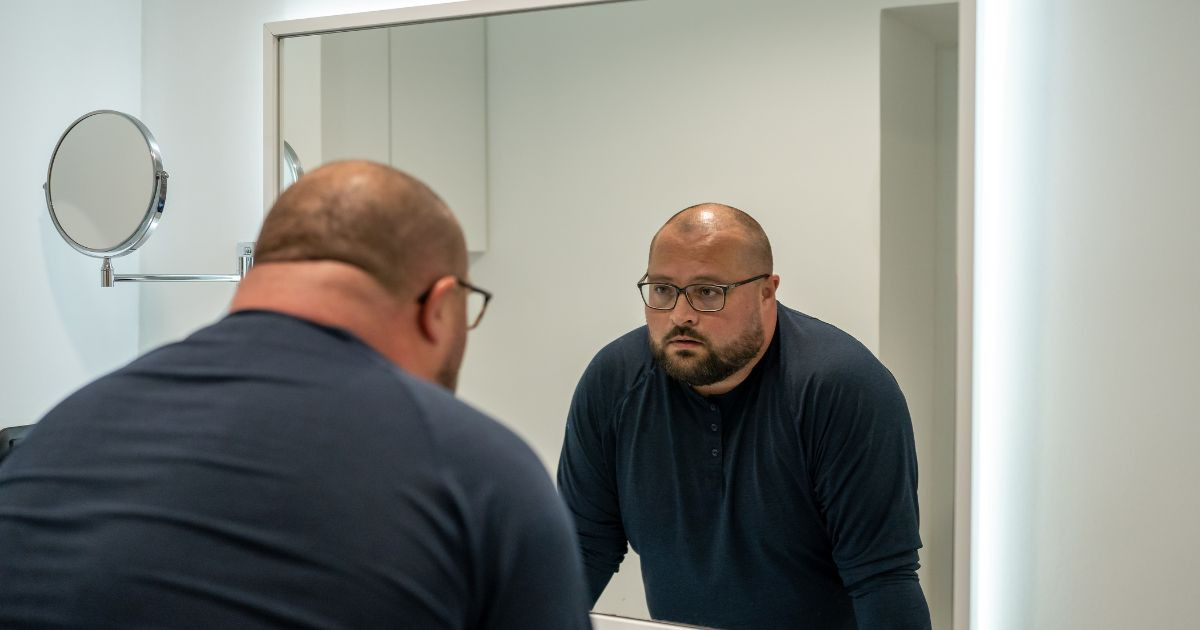
Self-confidence and self-criticism are often treated like opposites, but in practice they work best together. Confidence helps you act, take risks, and trust your ability to learn. Self-criticism helps you notice mistakes, adjust course, and improve future results. The goal is not to eliminate either one. It is to keep confidence grounded and criticism constructive.
When self-confidence is too weak, people may avoid opportunities, second-guess every decision, or give up too early. When self-criticism becomes too harsh, it can turn into self-doubt, perfectionism, or fear of failure. A healthier approach is to use confidence to move forward and self-criticism to refine your work without attacking your worth.
What healthy self-confidence and self-criticism look like
Healthy self-confidence does not mean assuming you will succeed at everything. It means believing you can learn, adapt, and handle setbacks. Healthy self-criticism does not mean constantly focusing on flaws. It means evaluating your actions honestly and looking for specific ways to improve.
A useful test is to ask whether your inner voice is helping you solve a problem. If it is, the feedback is likely constructive. If it only creates shame or panic, it is probably too harsh to be useful.
Practical ways to build the right balance
- Start with self-awareness. Notice the situations where you feel most capable and the situations where you become overly cautious. Writing these down can help you see patterns instead of reacting automatically.
- Reframe unhelpful thoughts. Replace broad judgments such as “I am not good at this” with more accurate statements such as “I am still learning this skill.” That keeps room for improvement without turning one mistake into a verdict on your ability.
- Treat mistakes as information. After a setback, ask what happened, what you controlled, and what you would do differently next time. This shifts attention from blame to learning.
- Set realistic goals. Big goals are easier to manage when broken into smaller steps. Clear milestones create evidence that you are making progress, which supports confidence and makes self-review more useful.
- Ask for feedback selectively. Feedback from colleagues, mentors, friends, or managers can help you see blind spots. Look for specific comments about behavior or results, not vague opinions about your personality.
- Use supportive self-talk. Being kind to yourself does not mean lowering standards. It means speaking to yourself in a way that keeps you engaged and able to improve.
- Make room for rest. Fatigue often makes people more self-critical and less resilient. Rest, sleep, and recovery can support clearer thinking and better judgment.
How to use self-criticism without undermining yourself
Self-criticism is most useful when it stays specific. Instead of saying, “I failed,” identify the exact issue: preparation, timing, communication, or execution. Specific feedback is easier to act on and less likely to damage motivation.
It can also help to separate your performance from your identity. A poor presentation, a missed deadline, or a difficult conversation may show that a method needs work. It does not prove that you are incapable. This distinction is especially important in professional settings, where one imperfect result can otherwise feel larger than it is.
If you notice that self-criticism is becoming repetitive or emotionally exhausting, it may be a sign that you need more distance before evaluating yourself. In that case, step back, gather facts, and review the situation later with a calmer mindset.
Simple habits that support steady growth
Review progress regularly
Set aside time to look at what went well, what was difficult, and what needs attention. A regular review keeps progress visible and prevents you from judging yourself only by the most recent result.
Visualize preparation, not just success
Visualization can be useful when it focuses on the process. Instead of only imagining the outcome, picture yourself preparing, speaking, solving problems, or recovering from an error. This may support confidence because it makes success feel more familiar and more achievable.
Use a supportive environment wisely
People around you can influence how you see yourself. Supportive colleagues, friends, and mentors can encourage honest reflection without unnecessary pressure. At the same time, it helps to avoid environments that reward constant comparison or harsh perfectionism.
Common mistakes to avoid
- Confusing confidence with arrogance. Real confidence leaves space for learning and feedback.
- Confusing criticism with self-punishment. Honest evaluation should lead to action, not humiliation.
- Expecting progress to be linear. Growth usually includes setbacks, repetition, and periods of slower progress.
- Waiting to feel ready before acting. Confidence often grows through experience, not before it.
- Using only negative feedback to measure yourself. Balanced judgment includes strengths as well as weaknesses.
A more useful way to think about growth
Balancing self-confidence and self-criticism is a skill, not a one-time decision. It improves when you practice honest reflection, accept that mistakes are part of learning, and respond to yourself in a way that keeps you moving forward. In personal life, that can mean making better choices and feeling less stuck. In professional life, it can help you adapt more quickly, handle feedback more effectively, and work with greater consistency.
The most helpful mindset is usually neither self-praise nor self-attack. It is a steady, realistic view of yourself: you have strengths to rely on, weaknesses to improve, and enough ability to keep learning from both success and failure.


