
In today's world, where stress and performance pressure are becoming a common part of our lives, self-discipline is one of the most important tools for achieving inner peace and independence. In this article, we will look at how we can develop self-discipline to become more resilient to stress and achieve better results in both personal and professional life.
What is self-discipline?
Self-discipline is the ability to control your behavior, thoughts, and emotions to achieve long-term goals. It is the art of postponing immediate gratification for more important goals that we can achieve if we learn to control our impulses. Self-discipline is not just about denial; it is about being aware of your own values and goals and making decisions that align with them.
Why is self-discipline important?
Self-discipline helps us:
- achieve our goals and dreams,
- improve our relationships,
- increase our productivity,
- manage stress and pressure,
- build healthy habits.
Creating a Strong Foundation of Self-Discipline
To build self-discipline, we must first understand what influences us. Identifying our weaknesses and limitations is the first step towards improving self-discipline. You can ask yourself the following questions:
- What are my most common distractions?
- What holds me back from achieving my goals?
- How do I feel when I don't control my impulses?
Practical Techniques for Developing Self-Discipline
There are several techniques you can use to improve your self-discipline:
- Set clear goals: Clarify what you want to achieve and why it is important to you. Goals should be specific, measurable, achievable, relevant, and time-bound (SMART).
- Create a plan: Break your goals down into smaller, manageable steps and create a plan for how to achieve them.
- Monitor your progress: Track how well you are meeting your goals and adjust your strategies as needed.
- Work on positive habits: Create a routine that encourages self-discipline, such as a regular time for studying or exercising.
- Avoid temptations: Identify environments and situations that distract you from your goals and try to avoid them.
- Reward yourself: Set small rewards for achieving milestones to maintain your motivation.
Games and Activities to Strengthen Self-Discipline
There are numerous games and activities that can help improve your self-discipline:
- Pomodoro technique: Work for 25 minutes on a task and then take a 5-minute break. After four cycles, take a longer break.
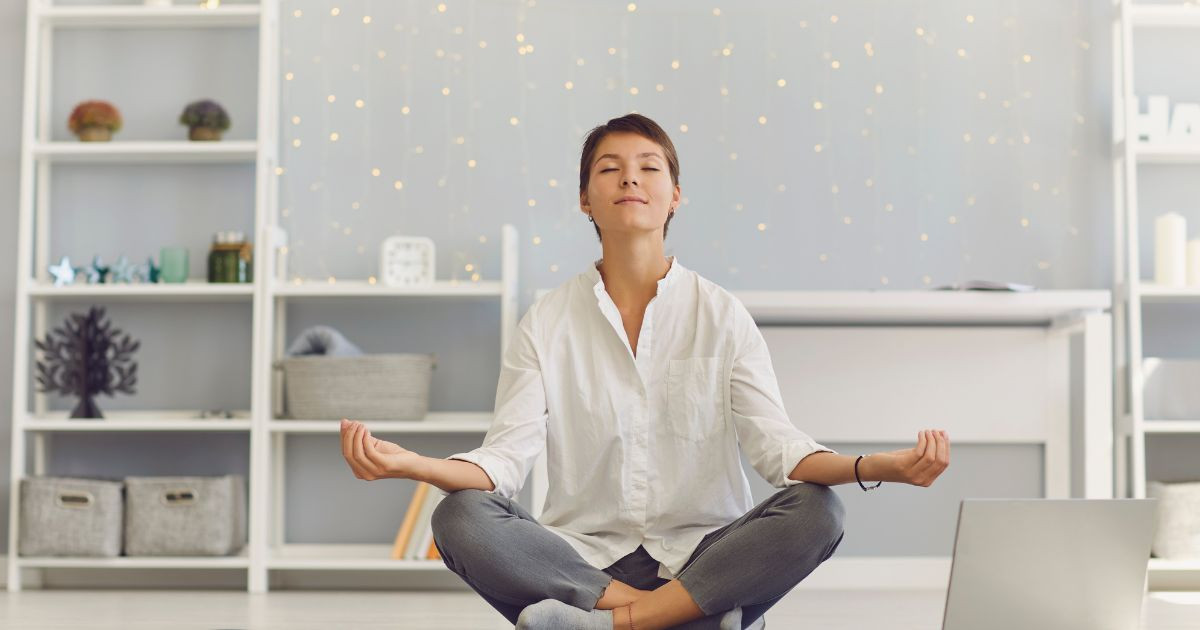
- Meditation exercises: Regular meditation can help improve your ability to focus and manage stress.
- Self-discipline game: Create a game where you set tasks and award yourself points for completing them. At the end of the week, treat yourself with the points you have earned.
Building Self-Discipline in Stressful Situations
In stressful moments, it can be challenging to maintain self-discipline. Here are some tips on how to achieve this:
- Just breathe: In stressful situations, focus on deep breathing. It helps to release tension and restore inner peace.
- Remind yourself of your goals: In tough times, remind yourself why you are doing what you are doing and what your long-term goals are.
- Create a backup plan: Have alternative strategies ready that you can use when things don’t go as planned.
Self-Discipline and Independence
Self-discipline is the key to independence. When you learn to control your thoughts and emotions, you become less dependent on external factors, such as the opinions of others or external circumstances. This allows you to make decisions that align with your values and goals and to live a life that you truly desire.
Conclusion
Self-discipline is a tool that can help us achieve inner peace and independence. It requires work and development to become more resilient to stress and to better handle the challenges that life presents. Remember that every step you take towards improving your self-discipline is a step towards a better life.


