
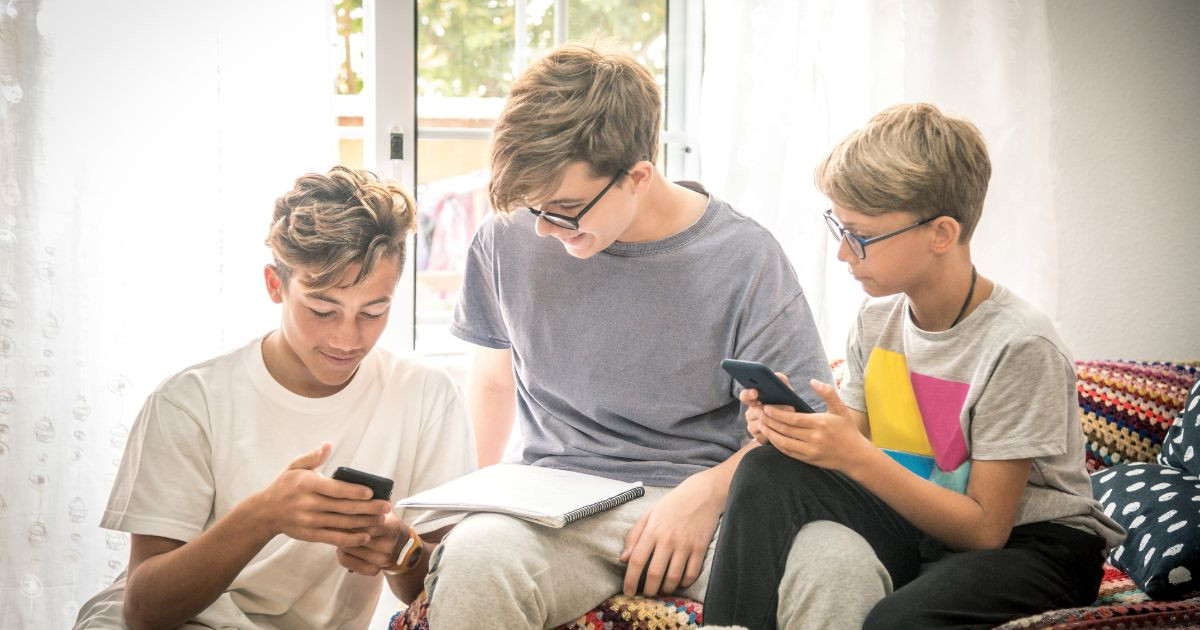
Personal Responsibility in the Digital World: How to Manage Information at Ages 13 – 15
In today's world, where information is at our fingertips, personal responsibility in handling it is more important than ever. Young people aged 13 to 15 find themselves in a digital world filled with challenges and opportunities. How can they learn to handle information correctly and develop their digital literacy? This blog aims to shed light on this topic and offer practical advice on becoming responsible information users.
The main goal is to spark young people's interest in personal and professional growth in the digital environment. Young people should be able to critically evaluate information, assess its credibility, and apply these skills in their daily lives.
Why is Personal Responsibility Important?
Personal responsibility is the ability to take control of one's life and decisions. In the digital world, this means that young people should be able to:
- recognize fake news and misinformation,
- properly cite sources,
- adhere to ethical standards when sharing content,
- protect their privacy and personal data.
All these aspects are essential for functioning properly in the digital environment and for building trustworthy relationships with others.
Working with Information: Step by Step
1. **Searching for Information**
At the beginning, it is necessary to learn how to search for information effectively. This includes:
- using the right keywords,
- utilizing advanced search techniques,
- searching in trustworthy databases and sources.
2. **Evaluating Sources**
Once you find information, it is important to assess its credibility. You can ask:
- Who is the author?
- What are their qualifications?
- What sources are used?
- Is the information current?
3. **Organizing Information**
After obtaining information, it is necessary to organize it properly. This will help not only in learning but also in subsequently using the information in practice. Consider using:
- digital tools for managing notes (e.g., Evernote, Notion),
- graphic organizers,
- mind maps or conceptual maps.
Digital Literacy: Basics and Advanced Techniques
Digital literacy encompasses a wide range of skills. From basic technology proficiency to advanced abilities in analysis and content creation. Here are some skills that young people should develop:
- **Basic IT Skills**
Proficiency in office applications, email, and web browsers. - **Working with Multimedia**
The ability to create and edit images, videos, and presentations. - **Programming**
Basics of programming and logical thinking through simple languages like Scratch or Python.
Recommendations for Developing Personal Responsibility
In conclusion, it is important to provide several recommendations that young people can use to develop their personal responsibility:
- **Participate in Workshops and Courses**
Look for courses focused on digital literacy and critical thinking. There are many online platforms like Coursera, Udemy, or Khan Academy. - **Playing Educational Games**
There are many games that help develop critical thinking, such as “Factitious” or “Fake It To Make It.” - **Starting a Blog or Vlog**
Share your opinions and insights. This way, you will practice writing and analyzing information. - **Engaging in Discussions and Forums**
Participation in online discussions and forums like Reddit or Quora will help broaden your horizons and learn to evaluate different opinions.
Personal responsibility in the digital world is not just about technical skills, but also about the ability to make informed decisions and grow as individuals. Proper use of information can open doors to numerous opportunities and career paths. Therefore, it is essential for young people to learn how to take responsibility for their digital presence and build a successful future.


