
In an increasingly stressful world, teaching children how to relax is essential for their emotional development and overall well-being. Introducing effective relaxation practices can help children manage stress and foster healthy habits that support their personal growth.
The Importance of Relaxation for Children
Children encounter many sources of stress, including school pressures, social interactions, and family expectations. These challenges can contribute to anxiety, mood swings, and other mental health concerns. Developing relaxation skills enables children to better cope with daily pressures and build resilience for the future.
Practical Relaxation Techniques for Children
Several methods can be incorporated into a child's routine to promote relaxation:
- Deep Breathing: Teach children to take slow, deep breaths, imagining they are inflating and deflating a balloon. This technique can help stabilize their nervous system.
- Meditation: Short, guided meditation sessions can calm a child's mind. Using age-appropriate apps or videos can make these sessions engaging and accessible.
- Yoga: Simple yoga poses help children stretch and relax while having fun. Family yoga sessions can encourage participation and model relaxation practices.
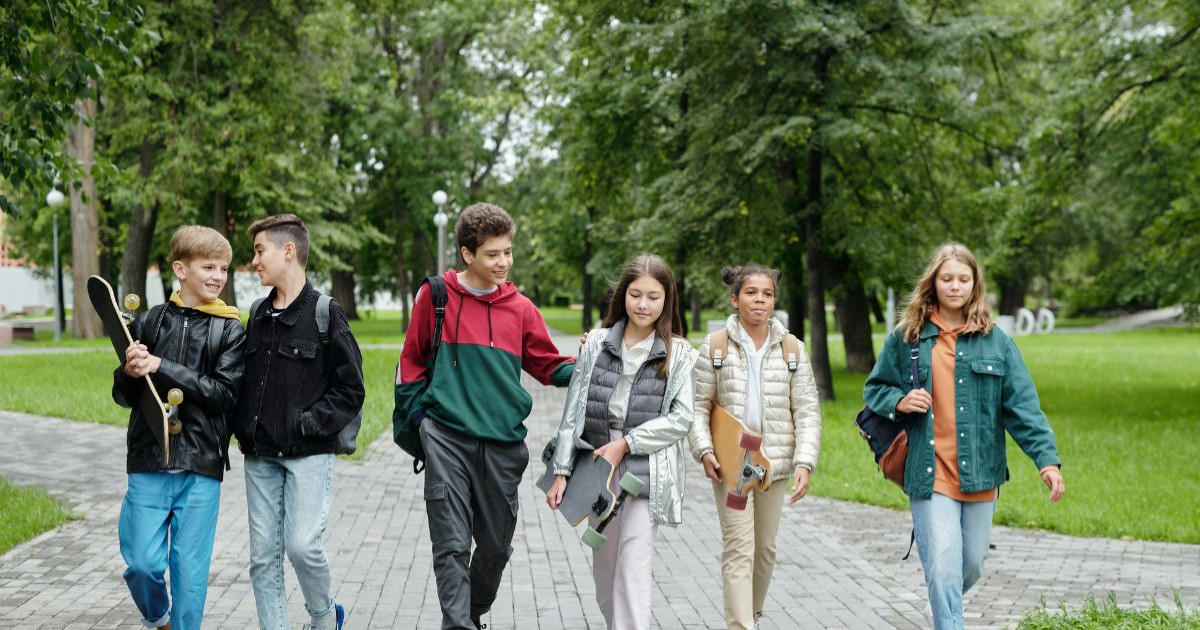
- Nature Walks: Spending time outdoors allows children to connect with nature, which has a naturally soothing effect. Nature walks can also promote mindfulness and curiosity.
Relaxation Through Play and Creative Activities
Games and creative pursuits serve as effective tools to teach relaxation skills:
- Bubble Play: Blowing bubbles encourages children to focus on breath control and enjoy the present moment.
- Drawing and Painting: Artistic activities facilitate emotional expression and relaxation. Providing art supplies and space for creativity can support this process.
- Music and Movement: Listening to calming music or dancing to rhythmic beats can help children release tension and express themselves.
Supporting Broader Self-Development
Beyond relaxation, fostering emotional intelligence, communication skills, and problem-solving abilities is crucial for holistic growth. Techniques that develop these areas include:
- Emotion Recognition: Helping children identify and express their feelings enhances emotional literacy.
- Communication Games: Activities that emphasize listening and expressing oneself improve social skills.
- Strategy-Based Games: Puzzles and strategic games encourage critical thinking and decision-making abilities.
Parental Strategies for Encouraging Relaxation
Parents play a vital role in nurturing relaxation habits. Consider implementing these approaches:
- Model Relaxation: Engage in relaxation activities like meditation or yoga alongside your children to demonstrate their importance.
- Create a Relaxation Space: Designate a cozy corner filled with cushions, books, or calming objects where children can retreat to relax.
- Promote Balance: Ensure children have ample free time for rest, play, and hobbies to avoid over-scheduling and stress.
Conclusion
Equipping children with relaxation skills supports their emotional resilience and contributes positively to their development. Incorporating simple practices and playful activities into everyday life can help children develop healthy habits that serve them well into adulthood.


