
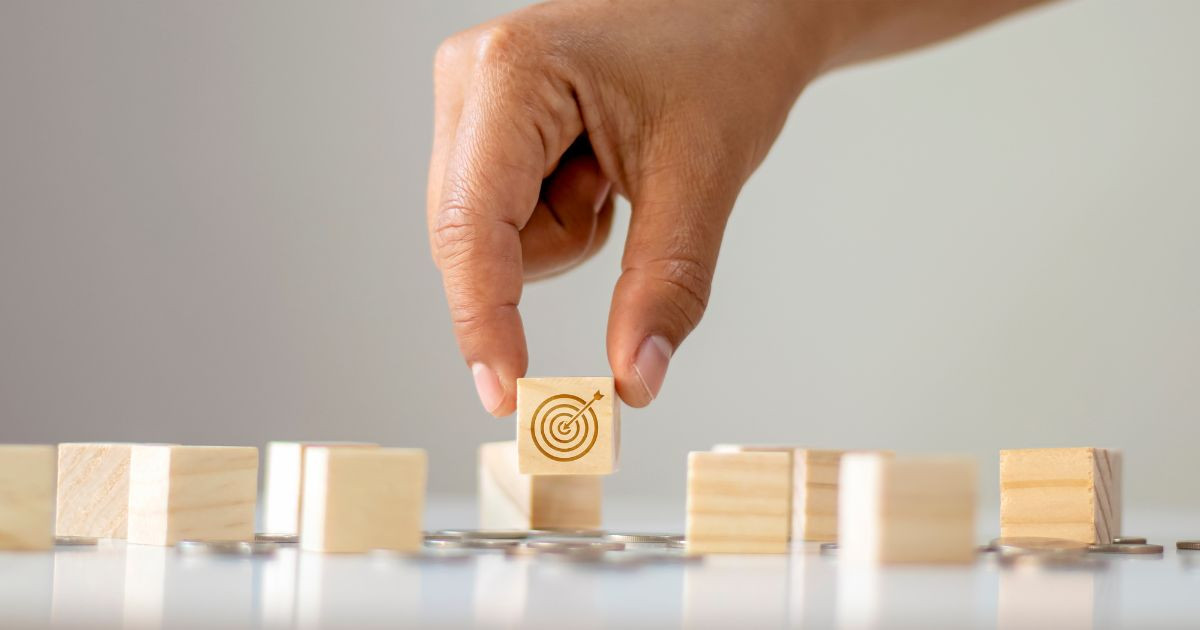
When daily obligations start to crowd out everything else, it becomes harder to tell what deserves your time and attention. A values map can help you sort that out. It gives you a simple way to name what matters most, compare competing demands, and make choices that feel more intentional. If you enjoy handmade creativity, the process can become even more personal: your values map can be both a planning tool and a creative object that reflects who you are.
Handmade creativity is not only about making something beautiful. It can also be a practical way to slow down, notice what matters, and turn abstract ideas into something visible. In that sense, it may support clearer thinking and more focused decision-making. This article explains what a values map is, how to build one, and how to use it to organize your priorities in a way that fits your life.
What a values map is and how it works
A values map is a visual overview of the principles, goals, and responsibilities that matter most to you. It helps you move from vague ideas like “I want balance” or “I should be more creative” to a clearer picture of what those goals mean in daily life.
Some people create a values map as a list, while others use circles, branches, color coding, or a collage. The format matters less than the purpose: to make your priorities easier to see, compare, and revise. In a handmade version, materials such as paper, fabric, markers, stickers, or paint can make the process feel more engaging and memorable.
A values map is useful because priorities often compete with one another. For example, you may value family, work, health, rest, learning, and creativity at the same time, but you cannot give all of them equal attention every day. A values map helps you decide what takes priority now, what can wait, and what needs a small but regular place in your schedule.
Why organizing your priorities matters
Without a clear sense of priority, it is easy to stay busy without feeling satisfied. You may spend time on urgent tasks while neglecting the things that matter most to you in the long term.
Organizing your priorities can help you:
- reduce the feeling of being pulled in too many directions,
- focus on commitments that match your values,
- make planning decisions with less hesitation,
- protect time for rest, creativity, and relationships,
- notice when your schedule no longer reflects your real goals.
This does not mean every choice becomes simple. Real life still includes deadlines, responsibilities, and unexpected interruptions. But when you know your priorities, it becomes easier to explain why one task deserves attention before another.
How to create your own values map
You do not need special materials to begin. A notebook page is enough. If you want to make the process more tactile and expressive, you can use handmade materials or craft supplies. The goal is to create something that helps you think clearly.
1. List the values that matter to you
Start with a broad list. Include what feels important in your work, relationships, health, home life, creative expression, and personal growth. Common examples include family, independence, stability, learning, generosity, craftsmanship, beauty, and community.
At this stage, do not worry about ordering everything perfectly. The purpose is to capture what matters, not to judge whether your values are “good enough.”
2. Narrow the list to the values that matter most right now
Some values stay important over time, while others become more urgent in a specific season of life. For example, during a demanding work period, stability and rest may need more attention. During a creative project, learning and experimentation may move higher on the list.
Ask yourself:
- Which values am I currently neglecting?
- Which values influence my everyday decisions the most?
- Which values would I regret ignoring for too long?
This step helps you separate what is meaningful from what is merely admirable.
3. Turn the list into a visual map
Once you know your main values, arrange them in a way that makes sense to you. You might place your top values in the center and put supporting values around them. You could also create a ladder, a circle, or a layered composition.
If you enjoy handmade work, use materials that feel connected to your personality. For example, you might use stitched paper, collage, watercolor, colored thread, or hand lettering. The creative process may help you remember the map more easily because you are engaging both thought and craft.
4. Connect each value to a practical action
A values map is most useful when it leads to real choices. Under each value, write one or two actions that would support it.
For example:
- Health: prepare simple meals, walk three times a week, sleep on a consistent schedule.
- Creativity: spend 20 minutes a day sketching, writing, sewing, or experimenting with materials.
- Family: set aside an evening for conversation without screens.
- Learning: read one article, take one class, or practice one new skill each week.
This makes the map more than decoration. It becomes a planning tool you can use when deciding how to spend your time.
5. Review and adjust it regularly
Priorities change. A values map should be flexible enough to reflect that. Revisit it every few weeks or whenever your life changes in a noticeable way. You may need to move a value higher, simplify your goals, or add a new focus.
A map that is never updated can become misleading. A map that evolves with your life stays relevant.
Ways handmade creativity can support the process
Handmade creativity can make a values map more engaging because it turns reflection into an active process. Instead of only thinking about priorities, you shape them with your hands. For many people, that makes the ideas easier to hold onto.
It may also help to separate the process into small creative sessions. For example, you could spend one evening listing values, another arranging colors and materials, and a third reviewing the finished map. Breaking the work into steps may feel less overwhelming than trying to decide everything at once.
Other creative practices can also support this kind of reflection:
- Creative journaling: write about what energized you, drained you, or felt meaningful during the week.
- Project planning: break one creative idea into manageable steps and decide what needs to happen first.
- Workshops: try a class or group activity to learn a new technique and see how other people approach creative work.
- Collaborative games: use storytelling or group art activities to practice imagination and flexibility.
These activities do not automatically solve priority problems, but they can help you notice what gives you energy and what deserves more attention.
Common mistakes to avoid
People sometimes treat a values map like a perfect answer. In practice, it is a starting point. A few common mistakes can make it less useful.
- Listing too many priorities: if everything is important, nothing is clearly prioritized.
- Choosing values that sound impressive but do not match daily life: your map should reflect reality, not just ideals.
- Keeping it too abstract: each value should connect to a concrete action or habit.
- Creating it once and never revisiting it: priorities change, so the map should change too.
- Using it to judge yourself harshly: the point is clarity, not guilt.
If you find yourself feeling stuck, simplify the map. A smaller, clearer map is usually more useful than a detailed one you never use.
Creativity, growth, and practical decision-making
Creativity can contribute to personal and professional growth because it encourages problem-solving, observation, and experimentation. When you organize your priorities around a values map, you can make more deliberate choices about where to invest your effort.
That might mean focusing on education that supports your goals, seeking mentors who understand the kind of work you want to do, or spending time with people whose habits and ideas inspire you. It may also mean protecting time for practice rather than only outcome-driven work.
If you want your creative life to grow in a realistic way, think in terms of small commitments. A single class, one new tool, or a weekly practice session may be more sustainable than a large plan that quickly becomes overwhelming.
Using a values map in everyday life
The best values map is one you actually use. Keep it somewhere visible, such as a desk, studio wall, planner, or notebook cover. When you face a choice, refer to it before deciding.
For example, if your map shows that rest and creativity are both important, you may choose to finish a necessary task and then leave room for a short creative session instead of filling every spare minute with more work. If family time is a priority, you may schedule it the same way you would schedule an appointment.
Over time, this habit can help you notice patterns. You may discover that some commitments consistently support your values while others quietly drain them. That insight can help you make better decisions in the future.
Conclusion
A values map is a simple but practical way to organize your priorities. When you pair it with handmade creativity, the process becomes more personal and easier to connect with. You are not just making a chart; you are creating a visible reminder of what matters most and how you want to live.
Used well, the map can help you focus on actions that match your values, adjust your plans when life changes, and give your creative energy a clearer direction. It will not remove every conflict or decision, but it can make those choices easier to understand and manage.


