
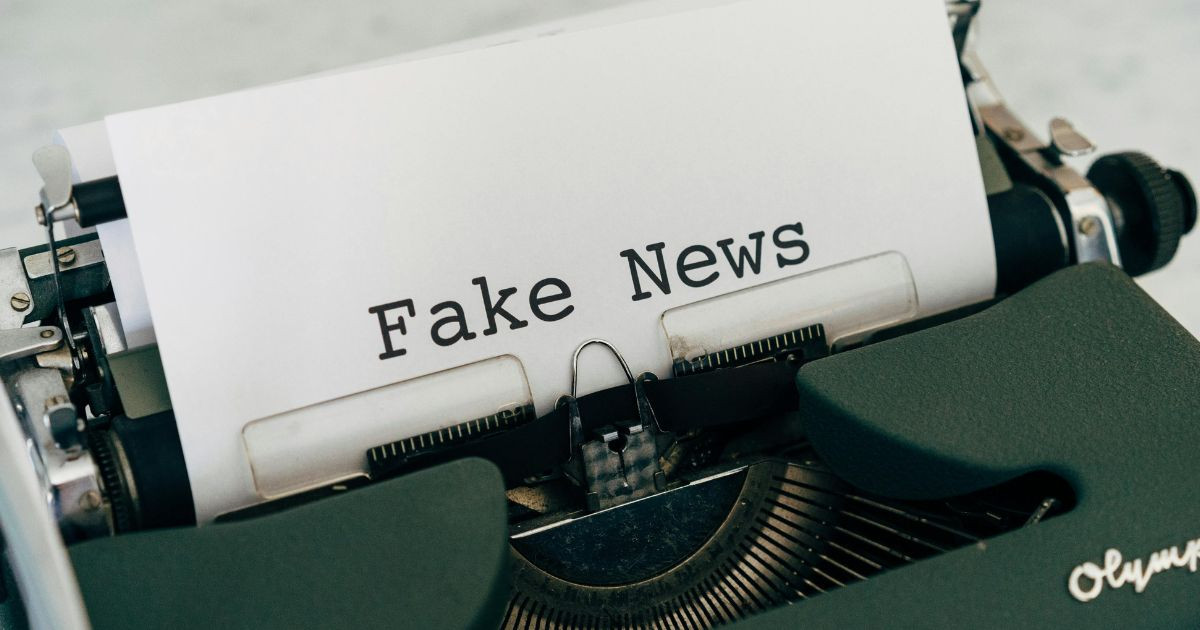
Revealing Fake Information as the Key to Personal Growth and Success
In today's digital age, we encounter a plethora of information that is often untrue, misleading, or even dangerous. Fake information and disinformation spread faster than ever before, making it crucial to learn how to recognize and analyze them. This blog focuses on how we can become better consumers of information and how these skills can aid us in personal and professional growth.
Today, we will look at several strategies and techniques that will help us recognize fake information, while also addressing how we can track our habits to become more critical and informed individuals.
Why is it important to recognize fake information?
Fake information can have serious consequences, from influencing public opinion to disrupting personal relationships. When we learn to recognize this information, we enhance our ability to think critically and analyze situations. This can lead to better decisions in both our professional and personal lives.
1. The Basics of Critical Thinking
Critical thinking is the ability to analyze information and assess its credibility. Here are some basic steps to help you improve your critical thinking:
- Questions: Ask who the author of the information is? What is their intent? Could it be biased or skewed?
- Verify sources: Check if the information comes from trustworthy and reputable sources. If not, look for alternative sources.
- Compare facts: See if the same information is presented elsewhere. If not, it could be a warning sign.
2. Techniques for Detecting Disinformation
To become a master at detecting fake information, you can try the following techniques:
- Fact-checking: There are numerous websites that specialize in fact-checking, such as Snopes or FactCheck.org.
- Language analysis: Fake information often uses emotive language and incites fear. If you encounter text that tries to evoke strong emotions, be cautious.
- Visual analysis: Check if images are manipulated or taken out of context.
3. How to Track Your Habits
Developing a habit of critical thinking and recognizing fake information can be challenging, but there are ways to make it fun and effective. Here are some ideas:
- Create a journal: Record situations where you encountered fake information and how you identified them.
- Play games: There are various online games and apps that can help you develop your analytical skills.
- Discuss with friends: Share your findings with them and discuss various pieces of information you have come across.
4. Personal and Professional Growth
Recognizing fake information and critical thinking are not only important for personal life but also for professional life. In today's world, where information is king, the ability to process and analyze information can be a decisive factor in your career.
Recommendations for Personal Development:
- Learn continuously: Invest in yourself and keep educating yourself. Follow online courses, read professional books and articles.
- Networking: Connect with professionals in your field and share experiences and insights.
- Mentorship: Find a mentor who can help you develop your skills and abilities.
Recommendations for Professional Development:
- Work on projects: Participate in projects that require data and information analysis.
- Attend seminars: Visit seminars and conferences where current trends and challenges in the field of information are discussed.
- Certifications: Obtain certificates in data analysis and digitization.
5. Conclusion
Revealing fake information and developing critical thinking are essential skills in today's world. Embrace the techniques and strategies we have covered today, and watch your personal and professional growth advance. Remember that information is power, and with this power comes responsibility. Take a step towards becoming a responsible consumer of information and an open critical thinker.


