
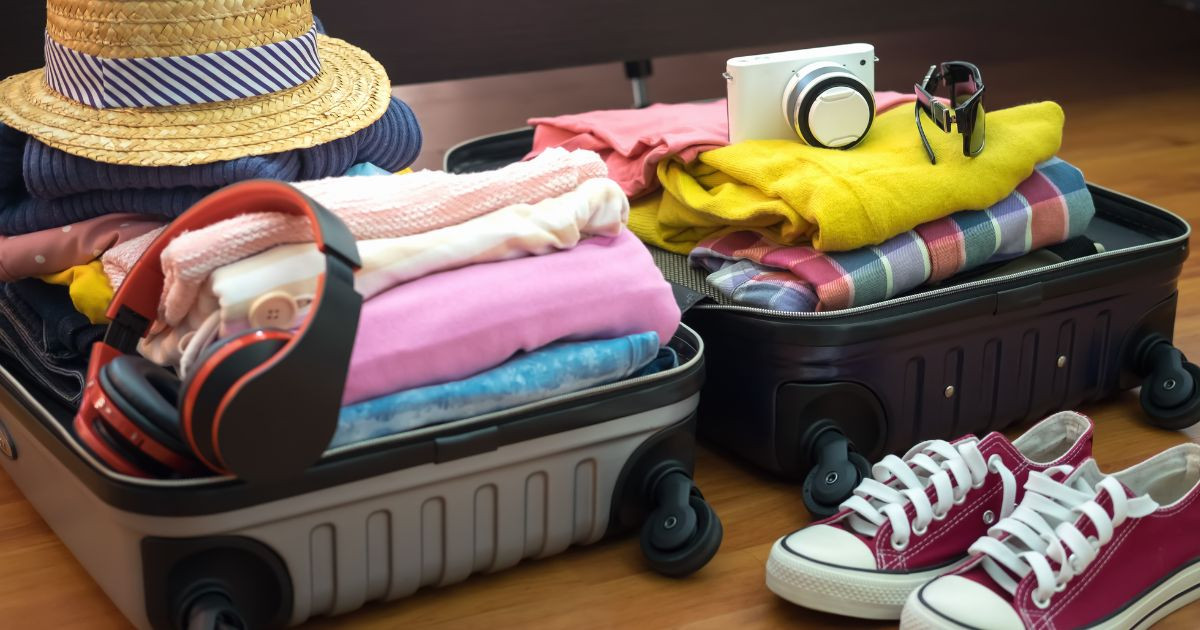
Traveling with children can be exciting, but it also asks a lot of parents: packing, schedules, snacks, delays, and the constant need to adjust plans. A simple habit tracker can help by turning a long list of travel tasks into small, visible steps. It will not remove every challenge, but it can make the trip easier to manage and reduce the chance of forgetting something important.
In this article, you’ll learn how habit trackers can support family travel, how to set one up, and how to use it for packing, planning activities, and managing the little routines that keep a trip running smoothly.
Why a habit tracker is useful for family travel
A travel habit tracker works best when it is treated as a planning tool, not as a strict rulebook. For families, that matters because trips with children often change from hour to hour. Instead of relying on memory alone, you can use a tracker to keep key tasks in one place.
- It helps you remember essentials. That includes passports, medications, chargers, comfort items, and weather-specific clothing.
- It breaks preparation into smaller steps. Rather than “pack everything,” you can track specific tasks such as “buy snacks,” “wash travel clothes,” or “check hotel check-in time.”
- It makes routines easier to follow. Children often do better when the day has a simple structure, especially on travel days.
- It can involve children in the process. Older kids may enjoy checking off tasks, choosing a few items to pack, or tracking their own travel bag.
Used well, a tracker can lower decision fatigue. That is especially helpful when you are already balancing tickets, transportation, naps, and meals.
What to include in a family travel tracker
The most useful tracker is specific to your trip. A weekend visit to relatives will need a different list from a long flight abroad. Start with the practical basics, then add anything that matters to your family.
Packing tasks
Instead of making one long, overwhelming packing list, group items by category:
- documents and money
- clothes for each family member
- toiletries and hygiene items
- medicines and first-aid basics
- electronics, chargers, and adapters
- snacks, water bottles, and kid-friendly food
- comfort items such as a favorite blanket or toy
You can also add a final pre-departure check, such as “empty trash,” “turn off appliances,” or “lock windows.” These small tasks are easy to miss when you are focused on the trip itself.
Daily routines
If your child responds well to routine, a tracker can help keep travel days calmer. It may include things like:
- morning wash-up
- breakfast
- snack break
- quiet time
- bedtime steps
This is not about making the trip rigid. It is about keeping a few familiar anchors in place so the day feels more predictable.
Activities and downtime
Children often need more than sightseeing. Long travel days can feel easier when you plan short activities for waiting rooms, trains, car rides, or evenings at the hotel. A tracker can help you prepare a mix of active and quiet options, such as drawing, simple games, audiobooks, or a family walk.
How to create a tracker that actually gets used
A travel tracker only helps if it is easy to check and update. The goal is clarity, not perfection.
- Choose one format. Paper works well if you like something visible on the fridge or in a folder. A phone app may be better if you want to update it on the go.
- Start with the non-negotiables. Add the items and tasks that would cause real problems if forgotten.
- Sort tasks by timing. For example: one week before departure, the day before, the morning of travel, and the first evening at your destination.
- Make it short enough to follow. If the list is too long, people stop using it. Keep only what is useful.
- Review it together. If another adult is traveling with you, or if older children can help, let them see the list so responsibilities are clear.
A tracker can also be reused. Save your list after the trip and adjust it for the next family journey instead of starting from scratch each time.
Games and activities that support smoother travel
Planning entertainment is just as important as packing clothes. Boredom often turns into restlessness, and restlessness can quickly become stress for everyone. A tracker can remind you to prepare a few simple activities before you leave.
- Observation game: Ask children to notice colors, vehicles, animals, or landmarks they see on the way.
- Question-and-answer game: Prepare a few age-appropriate questions about the destination, local customs, or things they may see there.
- Family journal: Bring a notebook where children can draw, write, or paste tickets and small keepsakes from the trip.
- Alphabet or letter hunt: Look for objects that begin with each letter of the alphabet, which can work well during car rides or airport waits.
These activities do not need special materials. The point is to have a few options ready before tiredness and impatience set in.
Ways to reduce stress before and during the trip
A tracker is most helpful when it supports realistic planning. Family travel usually goes more smoothly when you expect some delays and build in extra time.
- Prepare early. Last-minute packing increases the chance of forgetting something important.
- Leave room for delays. Children may need extra time for meals, bathroom breaks, or rest.
- Have a backup plan. Keep a simple alternative ready if weather changes, a connection is missed, or a child becomes tired.
- Keep key items accessible. Snacks, wipes, documents, and a change of clothes are easier to manage when they are not buried in luggage.
- Do not overschedule the trip. Leaving some open time can make the whole experience calmer and more enjoyable.
If your children are old enough, you can also teach them a few basic calming steps, such as slow breathing or taking a short pause before reacting. That may help some children handle frustration, but it is not a substitute for rest, food, or practical support.
Common mistakes to avoid
Many travel plans become stressful because they are too ambitious. A tracker can help, but only if it stays realistic.
- Making the list so detailed that no one wants to use it
- Forgetting to include adult essentials, not just the children’s items
- Planning too many activities for a day that will already be tiring
- Assuming every child will enjoy the same games or routines
- Not updating the tracker after plans change
Think of the tracker as a support tool. It should simplify decisions, not create pressure to follow every item perfectly.
Enjoying the trip without losing control of the basics
Traveling with kids is rarely effortless, but it can be more organized than stressful when you prepare in a structured way. A habit tracker helps you keep track of the practical details, share responsibilities, and create a few predictable routines for your children. That leaves more room to enjoy the parts of the trip that matter most: time together, new places, and shared memories.
If you keep the tracker simple, update it regularly, and use it for both preparation and daily routines, it can become one of the most useful tools in your family travel planning.


