
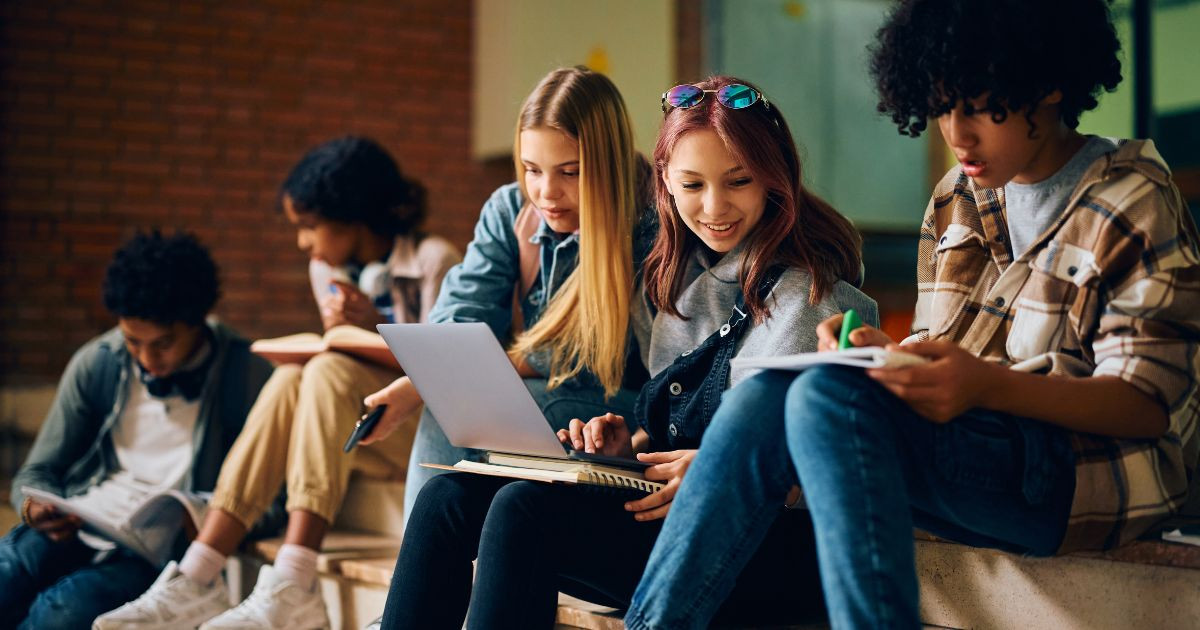
In today's world, where education is becoming increasingly complex and demanding, it is important to seek new approaches to stimulate the inner motivation of children and teenagers. Microtraining, as an effective method, can help develop not only academic skills but also important social competencies that are essential for personal growth. This blog focuses on how we can awaken the joy of learning and inner motivation in young people through microtraining and the development of social skills.
What is microtraining?
Microtraining is a methodology that focuses on short, intensive, and practical training sessions aimed at specific skills. This approach is ideal for children and teenagers as it allows them to quickly learn and apply new knowledge in real-life situations. Instead of traditional long lectures and theoretical classes, microtraining offers interactive and fun ways to learn.
Why is it important to develop social skills?
Social skills are key to success in personal and professional life. Children and teenagers who master these skills are able to communicate effectively, work in teams, resolve conflicts, and build relationships. These competencies are essential not only for learning but also for building self-confidence and the ability to adapt to various situations in life.
Recommendations for developing inner motivation:
- Create a positive environment: Ensure that children and teenagers feel safe and supported in their surroundings. A positive environment encourages experimentation and learning from mistakes.
- Encourage independent thinking: Encourage children to think about problems and seek their own solutions. This increases their responsibility and motivation.
- Learn through play: Games are a great way to develop social skills. Include various fun and interactive activities in the learning process.
- Regularly assess progress: Use small assessments and feedback to help children see their progress and achievements, which will strengthen their inner motivation.
- Create team projects: Collaboration on projects fosters team spirit and the development of communication skills.
Games and activities for developing social skills:
- Role-playing: Let children play different roles to simulate real-life situations. This way, they will acquire communication and empathy skills.
- Debate clubs: Organize debate clubs where children practice argumentation and expressing opinions.
- Group games: Games like “Team Jump” or “Problem-Solving Competition” help develop teamwork and problem-solving skills.
- Communication workshops: Organize workshops where children learn to communicate and listen effectively.
- Project days: Give children the opportunity to work on real projects that interest them and are important to them.
Examples and inspirations:
To support inner development and the joy of learning, we can draw from inspiring stories and successful projects. For example, programs like “Schools Without Borders” or “Youth in Action” offer various activities that support young people in personal and professional growth. These programs focus on building community skills and improving interpersonal relationships.
Conclusion:
Inner motivation and the joy of learning are key to the development of children and teenagers. Microtraining and the development of social skills are effective ways to support these aspects. Allow young people to become curious and motivated individuals who are ready to face challenges and achieve their goals.


