
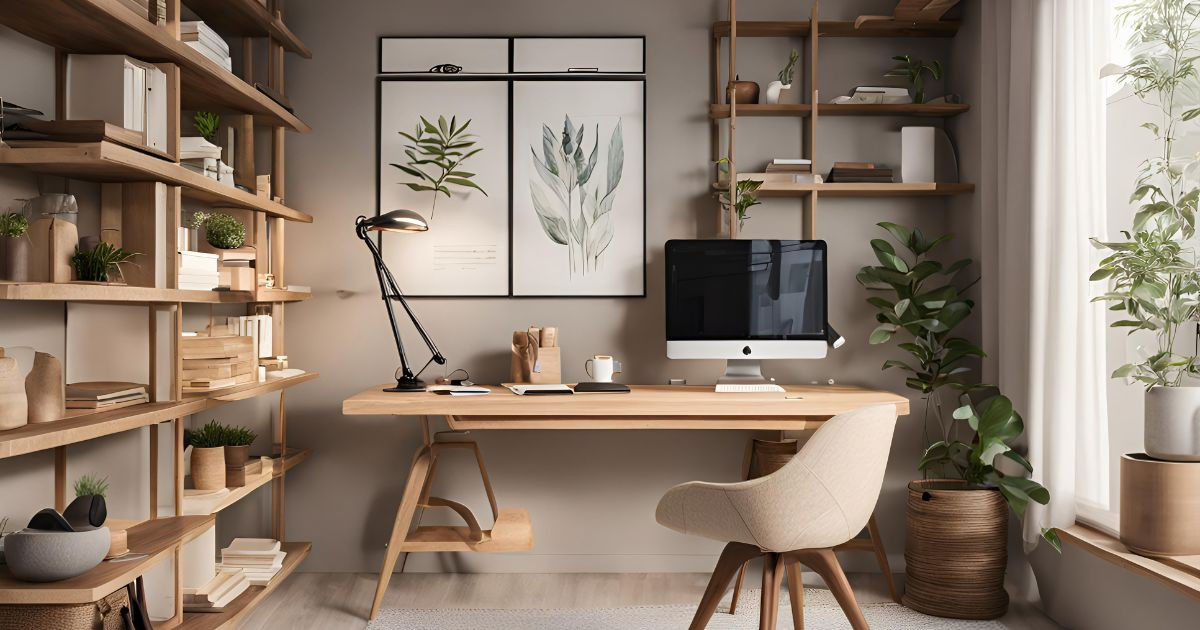
A well-designed workspace can make it easier to concentrate, stay organized, and move between tasks with less friction. It does not need to be large or expensive. What matters is that the space reduces distractions, supports your posture, and gives you a setup that fits the way you work. If your desk is also where you relax, it becomes even more important to create clear boundaries and a layout that helps you switch into work mode.
Choose the right place for the kind of work you do
Start by looking for a location that matches your daily tasks. If your work involves video calls, you may need a quieter corner with a neutral background. If you do focused writing or design work, a place near natural light may help you stay alert for longer periods. Some people work best at a dedicated desk, while others prefer a compact setup that can be packed away after use.
Try to avoid places with constant interruptions, such as high-traffic areas in the home. If you cannot create a fully separate room, define the space visually. A screen, shelf, rug, or even a consistent desk arrangement can signal that this area is for work.
Set up your desk and chair for comfort
Ergonomics matter because discomfort can break concentration and make long work sessions harder. Choose a chair that supports your back and lets your feet rest flat on the floor. Your desk should give you enough room to work without crowding your arms or shoulders.
Position your screen so the top is near eye level and the distance feels comfortable. This can help reduce neck strain. If you use a laptop for long periods, a stand and external keyboard may be worth considering. Small adjustments often make a bigger difference than buying new equipment.
Think about lighting as part of the setup too. Natural light is useful when available, but direct glare on a screen can be distracting. A desk lamp with soft, directed light may help during darker hours or on cloudy days.
Keep the space organized without making it sterile
Clutter can make it harder to find what you need and may add low-level stress. The goal is not a perfect minimalist desk, but a system that keeps essentials accessible. Use trays, boxes, folders, or drawer dividers to separate items you use often from things you only need occasionally.
Group supplies by purpose: writing tools in one place, cables in another, documents in a folder, and reference materials within reach. If your work is digital, keep your desktop and file structure just as organized as your physical desk. A clear system saves time and reduces the mental effort of searching for things.
Add personal details that support your mood
Personal touches can make a workspace feel welcoming and less temporary. A framed photo, a piece of artwork, a meaningful object, or a travel souvenir can make the space feel more like yours. These details work best when they are intentional rather than crowded.
If motivational quotes help you, keep them limited and specific. Too many can become visual noise. Choose items that feel calm, inspiring, or relevant to the kind of work you want to do. The aim is to create a space that feels pleasant without becoming distracting.
Create small zones for different tasks
If you have enough room, separate your workspace into simple zones. For example, one area can be used for writing or computer work, another for sketching, planning, or reading, and a small third area for short breaks. You do not need a full office to do this; even a shift in surface, chair, or lighting can help create a mental change between tasks.
Task zones can be useful when you do different kinds of work in the same day. They reduce the feeling that everything must happen in one place in one way. This can support better transitions, especially if you struggle to move from planning to execution.
Use technology that helps, not distracts
Useful tools can make your workspace more efficient, but only if they fit your workflow. A task manager, online calendar, timer, or note-taking app may help you keep track of deadlines and next steps. Reliable internet access is essential if you depend on remote meetings, research, or cloud-based tools.
At the same time, too many apps and notifications can work against focus. Keep your setup simple enough that you can start quickly. Turn off unnecessary alerts during concentrated work sessions, and keep frequently used tools easy to reach.
Build routines that make it easier to start and finish
A good workspace becomes more effective when it is paired with a routine. Set a regular start time if possible, and create a short opening sequence, such as clearing your desk, checking your task list, and opening the documents you need. These habits can reduce procrastination by making the first step more predictable.
Breaks are important as well. A rhythm such as 25 minutes of work and 5 minutes of rest may help some people stay focused, but it is not the only option. The best schedule is one you can maintain without feeling rushed or drained. If your work requires deeper concentration, longer sessions with fewer interruptions may be more effective.
Use breaks to reset your attention
Short breaks are not just a pause from work; they can help you return with more energy. Stand up, stretch, look away from the screen, or step outside for a few minutes if you can. Some people also use low-pressure activities such as puzzles, sketching, or light reading to reset their minds between tasks.
If you enjoy creative hobbies, keep a small space or set of materials nearby. The point is not to turn breaks into another obligation. It is to give your mind a change of pace so that you can come back with less mental fatigue.
Add plants if they fit your space and routine
Plants can make a workspace feel calmer and more inviting. They may also improve the atmosphere simply by adding color and a sense of life to the room. If you want low-maintenance options, succulents or pothos are often easier to care for than more delicate plants.
Choose plants based on the light and time you have for maintenance. A plant that needs frequent attention can become another source of stress. Even one well-placed plant can be enough to soften the feel of a desk area.
Reflect on what is working and adjust as needed
No workspace stays perfect forever. Your tasks, schedule, and responsibilities will change, so it helps to review your setup from time to time. At the end of the day or week, ask yourself what made work easier, what caused friction, and which items or habits you barely used.
This kind of reflection can guide simple improvements: moving a lamp, clearing a drawer, changing your chair height, or reducing distractions from nearby items. Small changes are often more practical than a full redesign.
Know when a workspace needs more than a design change
A better desk setup can support focus, but it will not solve every problem. If stress, fatigue, or lack of motivation is coming from workload, unclear expectations, or burnout, changing the room alone may not be enough. In those cases, it may help to review your schedule, communication, and boundaries as well.
A workspace should support your work, not replace the need for good habits and realistic planning. The most effective setup is one that is comfortable, simple to maintain, and flexible enough to grow with your needs.
Creating a more focused and creative workspace is usually about removing friction rather than adding more things. With the right location, a comfortable setup, and a few thoughtful systems, you can build an environment that makes daily work feel more manageable and more intentional.


