
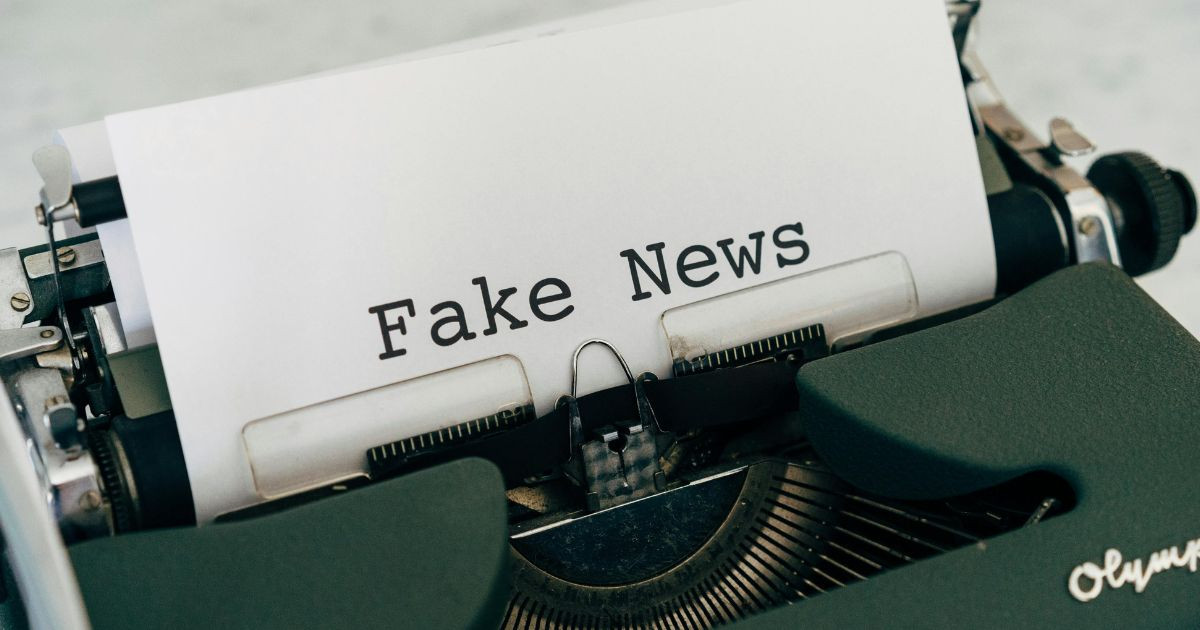
Fake Information and Its Detection: How to Recognize and Analyze Disinformation and Propaganda
In today's world, where we are constantly flooded with a multitude of information, it is important to know how to recognize fake news and disinformation. Not only can this false information influence our decision-making, but it can also disrupt our values and beliefs. Therefore, it is essential to develop the skills that allow us to analyze and critically evaluate the information we encounter. Here are some steps on how to do that:
1. Critical Thinking
Critical thinking is a fundamental prerequisite for recognizing disinformation. It is important to learn to ask questions:
- What is the source of the information?
- What are its intentions?
- Is there evidence to support the claim?
2. Fact-Checking
There are many tools and websites that specialize in fact-checking. These platforms can help determine whether information is true or not.
3. Recognizing Emotional Language
Fake news often uses emotional language to manipulate our feelings. Learn to recognize when words are used to evoke fear or anger, and be wary of such messages.
4. Sources and Context
Always try to assess the context of the message. Sources that regularly spread unverified information should be taken with caution. Analyze who the author of the message is and what their previous experiences and records are.
5. Discussion and Exchange of Views
An open discussion with others is a great way to gain different perspectives on the issue at hand. Sometimes, another viewpoint can reveal aspects that you may have overlooked. Encourage a culture of dialogue and exchange of views in your surroundings.
Awakening Hidden Potential
Detecting fake information and disinformation is not just about protecting against lies. It is also a pathway to personal and professional growth. When you learn to think critically and analyze information, a world of new possibilities opens up for you:
- You become a more informed citizen.
- You gain confidence in your decision-making.
- You develop your communication and analytical skills.
- You open doors to new career opportunities in media literacy and education.
Conclusion
Detecting fake information and disinformation is an important skill in modern society. By developing these abilities, we not only protect ourselves and our surroundings but also discover our hidden potential. Be curious, critical, and open to new information. Step into a world where information is truly valuable and truthful, and invest in your personal and professional growth.


