
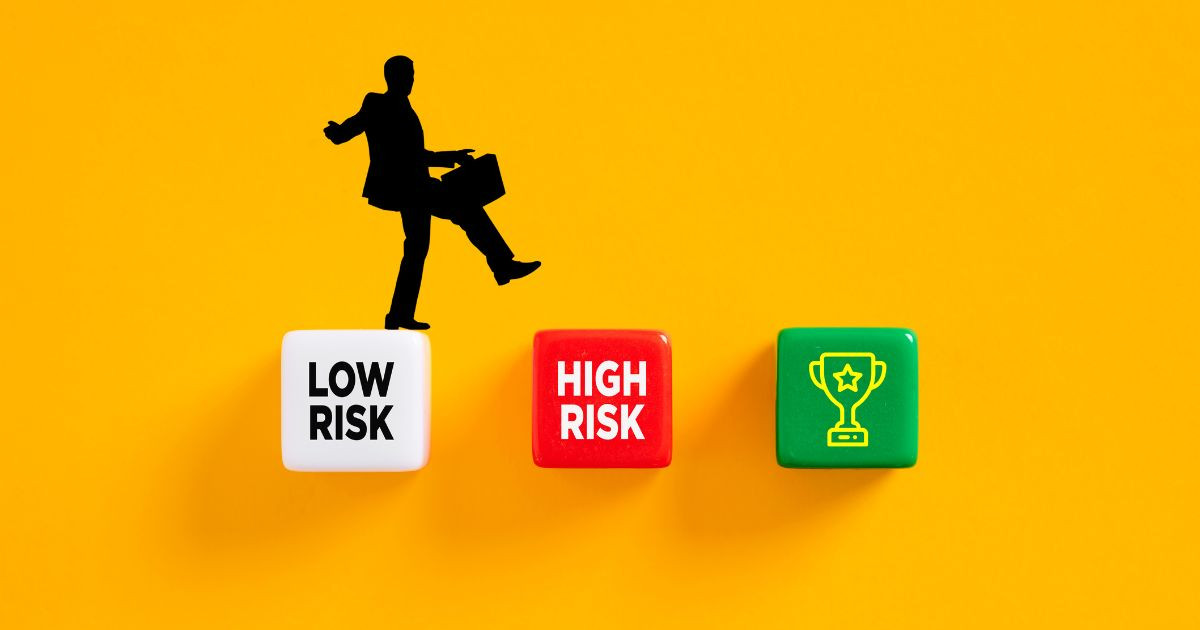
Unexpected changes are unavoidable: a project shifts direction, a move happens sooner than planned, a family situation becomes more complicated, or a routine stops working. In moments like these, adaptability matters because it helps you respond thoughtfully instead of freezing, panicking, or wasting energy on what no longer works. It is not about enjoying chaos. It is about adjusting your approach quickly enough to keep moving forward.
This article explains what adaptability really means, why it matters in personal and professional life, and how to strengthen it through practical habits, exercises, and everyday decisions.
What adaptability means in practice
Adaptability is the ability to adjust your behavior, expectations, and methods when circumstances change. It includes more than being “flexible.” A truly adaptable person can notice what has changed, decide what still matters, and choose a new response without becoming stuck in frustration.
That may mean revising a plan, learning a new tool, changing how you communicate, or accepting that the original solution is no longer the best one. Adaptability does not mean giving up standards. It means staying effective when the conditions around you are no longer ideal.
Why adaptability matters in daily life and work
In personal life, adaptability may help when you move to a new city, start a new relationship, take on caregiving responsibilities, or face a schedule change that affects your family. In these situations, the people who adjust more easily often recover their routine faster and feel less overwhelmed.
In professional life, adaptability is especially valuable because job requirements, team structures, and tools change constantly. A person who can learn new systems, work with different personalities, and revise priorities is usually easier to rely on in fast-moving environments. That does not guarantee success on its own, but it often makes growth and collaboration easier.
Adaptability is also useful because it reduces wasted effort. When one plan fails, an adaptable person is more likely to ask: What is still true? What changed? What should I do next? Those questions lead to better decisions than insisting on the original plan at all costs.
How to develop adaptability
1. Notice your reaction to change
Start by observing how you respond when something unexpected happens. Do you become tense, avoid the problem, or try to control every detail? Awareness matters because you cannot improve a reaction you do not recognize. A simple habit is to write down a difficult situation, your first reaction, and what you did next. Over time, patterns become easier to see.
2. Practice shifting from “fixed plan” to “working plan”
Many people struggle with change because they treat the first plan as if it must be the final one. A more adaptable approach is to think in terms of a working plan: a practical starting point that can change when new information appears. This mindset is useful in both personal and professional settings because it leaves room for correction without treating revision as failure.
3. Strengthen problem-solving habits
Adaptability improves when you become more comfortable looking for alternatives. If one route does not work, ask what other routes exist. If one conversation style fails, try a different one. If one task method is too slow, test a simpler process. Problem-solving is not about improvising randomly; it is about comparing options and choosing the most workable response.
4. Get used to small changes on purpose
You do not need a crisis to practice adaptability. Small, deliberate changes can build tolerance for uncertainty. For example, you might take a different route to work, try a new workflow, use a different note-taking method, or switch the order of routine tasks. These small experiments help you become less dependent on rigid habits.
5. Learn to communicate clearly when plans change
Adaptability is not only internal. It also affects how you explain changes to other people. In teams, unclear updates create confusion and resistance. A simple explanation of what changed, why it changed, and what the next step is can make transitions smoother. This is especially important in workplaces where several people depend on each other’s timing.
Games and exercises that may help build adaptability
Some activities can make it easier to practice quick adjustment in a low-risk setting. These are not shortcuts, but they can support the habit of thinking and reacting more flexibly.
- Simulation games: These are useful when they require you to respond to changing conditions, rules, or outcomes. They can help you become more comfortable with uncertainty and fast decisions.
- Problem-solving challenges: Team exercises with limited time can encourage people to test ideas quickly, listen to others, and revise plans as new information appears.
- Team-building activities: These can help you adjust to different communication styles, personalities, and group dynamics, which is often necessary in real work settings.
When choosing exercises, focus on situations that require adjustment rather than pure competition. The goal is to practice responding well when the situation changes, not simply to win.
Other ways to support personal and professional growth
Adaptability develops more easily when you expose yourself to different perspectives and environments.
- Mentoring: A mentor can help you reflect on decisions, spot recurring mistakes, and consider alternative approaches.
- Education: Courses that emphasize communication, leadership, project work, or personal development may strengthen your ability to handle change.
- Networking: Talking with people from different industries or backgrounds can show you that there is often more than one way to solve a problem.
These options are most useful when you treat them as learning opportunities, not as proof that one method is always superior. The value lies in expanding your range of responses.
Common mistakes that reduce adaptability
One common mistake is confusing adaptability with passivity. Being adaptable does not mean agreeing with every change or abandoning your goals. It means choosing the best response based on the situation.
Another mistake is waiting until pressure is extreme before trying to adjust. Adaptability is easier to practice when the stakes are lower. If you only test your flexibility during crises, you are more likely to feel overwhelmed.
A third mistake is assuming that a single setback means a plan has failed completely. In many cases, only part of the plan needs to change. Learning to separate the goal from the method can make you much more resilient.
Conclusion
Adaptability is a practical skill that helps you handle uncertainty in a calmer and more effective way. It can support personal growth, improve collaboration, and make it easier to recover when plans change. The most useful approach is not to aim for perfect flexibility, but to build a habit of noticing change, revising your response, and learning from each adjustment.
By practicing small changes, strengthening problem-solving habits, and staying open to feedback, you can become more capable of handling unexpected situations without losing direction.


