
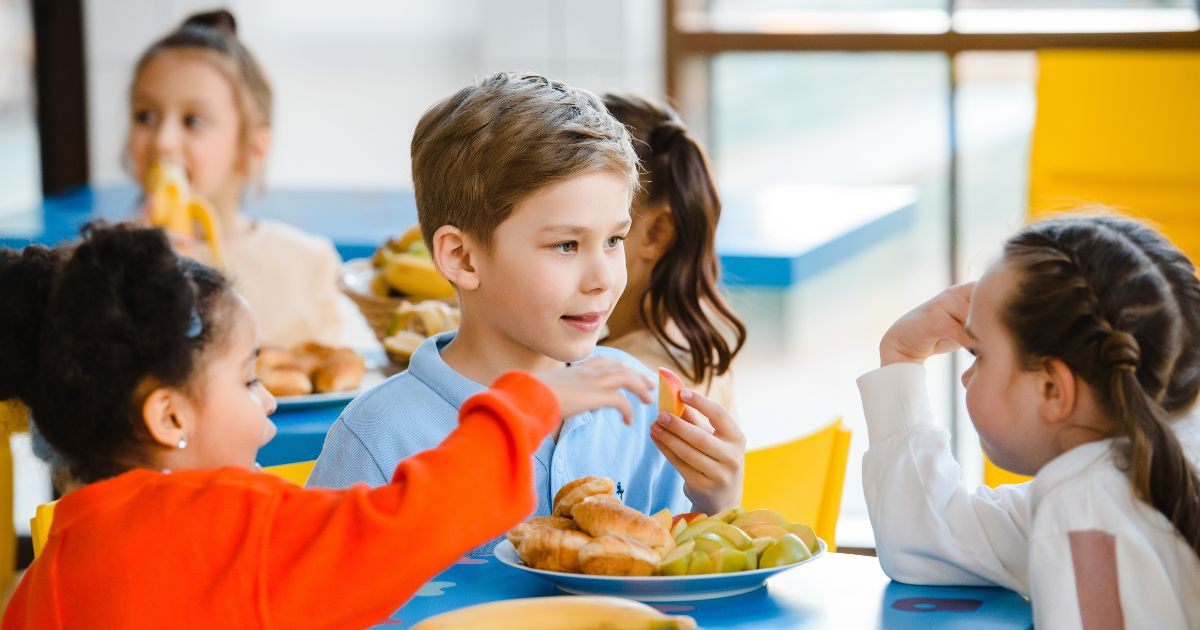
Between the ages of 7 and 9, many children become better at naming emotions, noticing how other people feel, and understanding that two people can experience the same situation differently. These abilities develop gradually rather than on a fixed schedule. Supportive conversations and everyday practice can help children build emotional awareness and empathy at home and at school.
What children may understand at ages 7–9
Children in this age range often move beyond identifying basic feelings such as happiness, sadness, anger, and fear. They may begin to recognize more nuanced emotions, including disappointment, embarrassment, jealousy, pride, worry, or frustration. They can also start connecting feelings with events, thoughts, body signals, and actions.
For example, a child may realize that a classmate is quiet because they feel left out, or that their own stomachache is linked to worry about a test. However, recognizing an emotion does not always mean knowing what to do with it. Children may still need help slowing down, choosing words, and responding appropriately.
| Skill | What it may look like | How adults can support it |
|---|---|---|
| Emotion recognition | Naming feelings and noticing facial expressions, posture, or tone | Use specific emotion words and ask what clues the child noticed |
| Self-awareness | Connecting feelings with thoughts, events, or physical sensations | Discuss what happened before the feeling and what helped afterward |
| Perspective-taking | Considering that another person may think or feel differently | Ask open questions rather than supplying an immediate explanation |
| Empathic response | Listening, showing concern, apologizing, or offering practical help | Model respectful responses and explain why they may help |
Why emotion recognition and empathy matter
Emotional awareness can make it easier for children to communicate needs before a problem becomes overwhelming. A child who can say, “I’m frustrated because I don’t understand this,” has more options than a child who can express the feeling only through withdrawal or an outburst.
- Communication: Naming emotions gives children clearer language for asking for help, setting boundaries, and explaining disagreements.
- Friendships: Understanding another person’s perspective may support cooperation, sharing, inclusion, and repair after conflict.
- Problem-solving: Recognizing feelings can create a pause between an emotional reaction and a possible response.
- Self-awareness: Noticing emotional patterns may help children understand what situations are difficult and which strategies support them.
These skills can also contribute to classroom participation and family relationships, but they do not prevent every conflict or difficult emotion. Children still need boundaries, guidance, and time to mature.
Practical ways to build these skills
1. Use precise emotion language
Instead of asking only, “Are you okay?”, try questions such as, “Do you feel disappointed, worried, or angry?” If the child chooses a different word, accept it and ask what that word means to them. This builds vocabulary without turning the conversation into a test.
2. Listen before offering solutions
Give the child your attention, reflect the main feeling, and then ask what kind of help they want. You might say, “It sounds as if you felt left out when the teams were chosen. Do you want me to listen, or would you like help thinking of what to do next?” Validation does not mean approving every action; it means acknowledging the emotion.
3. Discuss clues, but avoid guessing with certainty
When reading a story or watching a suitable film, pause and ask what a character might be feeling and which details suggest that. Explain that facial expressions, gestures, and tone can provide clues, but they are not proof. Someone who is quiet may be tired, worried, concentrating, or simply choosing not to speak.
4. Practise perspective-taking
After a disagreement, ask questions that separate facts from assumptions:
- What happened? Describe the observable event without blame.
- What might each person have thought or felt? Allow more than one possible answer.
- What could each person do next? Focus on repair, safety, and a realistic action.
5. Model empathy in ordinary situations
Children learn from seeing adults listen, apologize, express feelings calmly, and respect different viewpoints. Briefly explain your own process: “I’m feeling tense, so I’m going to take a short pause before we continue.” This shows that emotional regulation is a skill, not a demand to hide feelings.
Common mistakes to avoid
- Mind-reading: Do not insist that you know exactly how another person feels. Use “might” and invite the child’s interpretation.
- Forcing empathy immediately: A child who is highly upset may need calm and space before they can listen or apologize.
- Equating empathy with compliance: Understanding someone’s feelings does not require giving them everything they want.
- Using labels: Calling a child “selfish” or “unempathetic” can create shame and does not teach a better response.
- Expecting identical development: Temperament, language, culture, neurodevelopment, stress, and experience can affect how children show these skills.
A simple approach for adults
- Pause: Help the child become calm enough to participate.
- Name: Identify the feeling tentatively and let the child correct you.
- Explore: Ask what happened, what the child noticed, and what another person may have experienced.
- Choose: Agree on one safe, respectful next step.
- Review: Later, discuss what helped and what could be tried differently next time.
At ages 7–9, empathy grows through repeated opportunities to notice feelings, consider different perspectives, and repair relationships. The most useful goal is not perfect emotional behavior; it is helping children gradually develop the language and habits needed to understand themselves and respond thoughtfully to others.


