
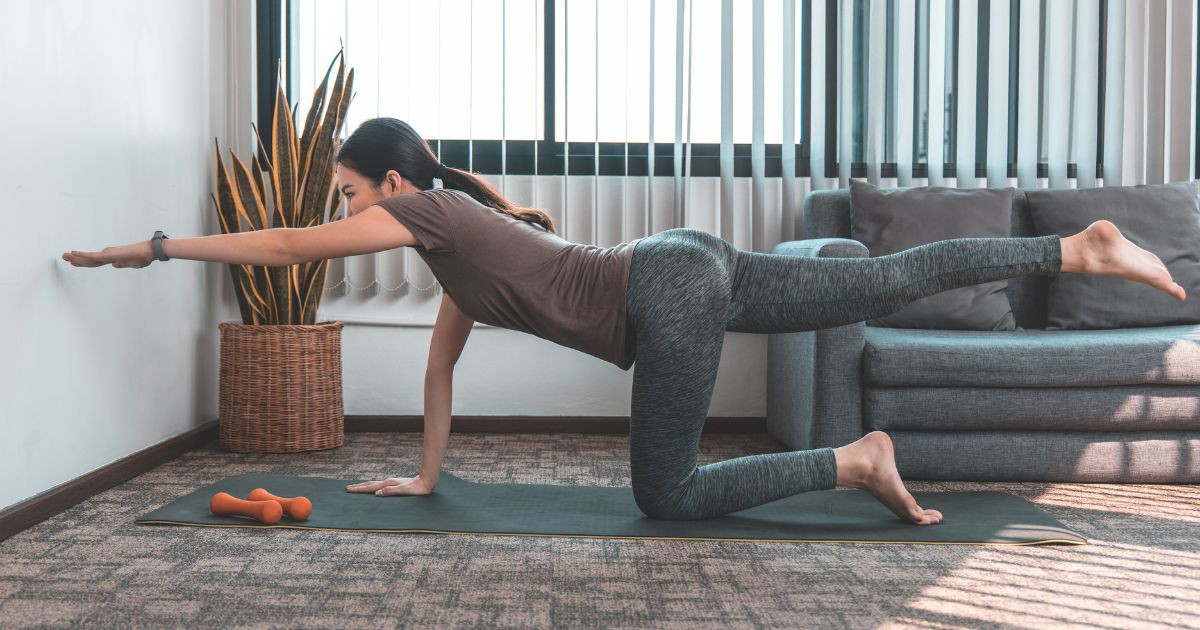
Micro-Training for Climate Resilience: Stay Fit and Ready for Challenges Without the Gym
Nowadays, we are increasingly focusing on climate change and its impacts on our lives. Although fitness and climate resilience may seem like two separate worlds, there is a close connection between them. Micro-training is an effective way to be physically active while also contributing to our resilience against climate challenges. In this blog, you will learn how to stay fit without a gym, while considering the protection of our planet.
1. What is micro-training?
Micro-training is a practice that consists of short, intense exercises lasting only a few minutes. These exercises are designed to be easily incorporated into our daily routine, whether it’s standing at a bus stop or taking a break at work. Micro-training is a great way to improve your fitness without the need to visit a gym. Moreover, this approach is very eco-friendly as it saves time and energy.
2. Why is climate resilience important?
Climate resilience is the ability of individuals and communities to adapt to and recover from the impacts of climate change. Strong physical fitness can enhance our ability to respond to emergencies, such as extreme weather or natural disasters. Physical fitness also prepares us for outdoor activities that can contribute to environmental protection, such as volunteer clean-up events or ecological projects.
3. Micro-training and its benefits
There are many benefits of micro-training that can improve your physical and mental well-being:
- Flexibility: Micro-training can be practiced anywhere and anytime.
- Time-saving: You don’t have to spend hours at the gym; just a few minutes a day will suffice.
- Motivation: Short workouts are less intimidating and easier to stick to.
- Support for mental health: Regular movement improves mood and reduces stress.
4. Tips for micro-training
Here are some tips to get started with micro-training:
- Interval training: Alternating short bursts of intense exercise with breaks. For example, 30 seconds of jumping, 30 seconds of rest, repeat 5-10 times.
- Using household items: You can use water bottles as weights or a chair for squats.
- Walking or running: Instead of driving, try walking or running short distances.
- Yoga and stretching: 5-minute exercises for flexibility and relaxation.
5. Games and activities to improve fitness
There are many fun games you can incorporate into your micro-training routine:
- Ball games: Play with friends, even if just for a few minutes. It’s a great way to move and have fun.
- Obstacle course: Create an obstacle course in your yard or park and invite family or friends to challenge each other.
- Walking with a goal: Set a daily step goal and try to achieve it through small steps throughout the day.
6. Interesting ideas to combine fitness and eco-friendly activities
Here are some ideas to combine physical activity with environmental protection:
- Clean-up events: Organize a clean-up event in a park or beach with friends.
- Cycling: Instead of driving, choose a bike as an eco-friendly mode of transport.
- Creating a community garden: Start a project with the community where you can plant and move at the same time.
7. Conclusion
Micro-training is an effective and practical way to stay fit while also contributing to climate resilience. When you decide to dedicate a few minutes daily to exercise, you not only improve your physical fitness but also enhance your ability to adapt to climate change. So why not give it a try? Start today and be part of the positive change!


