
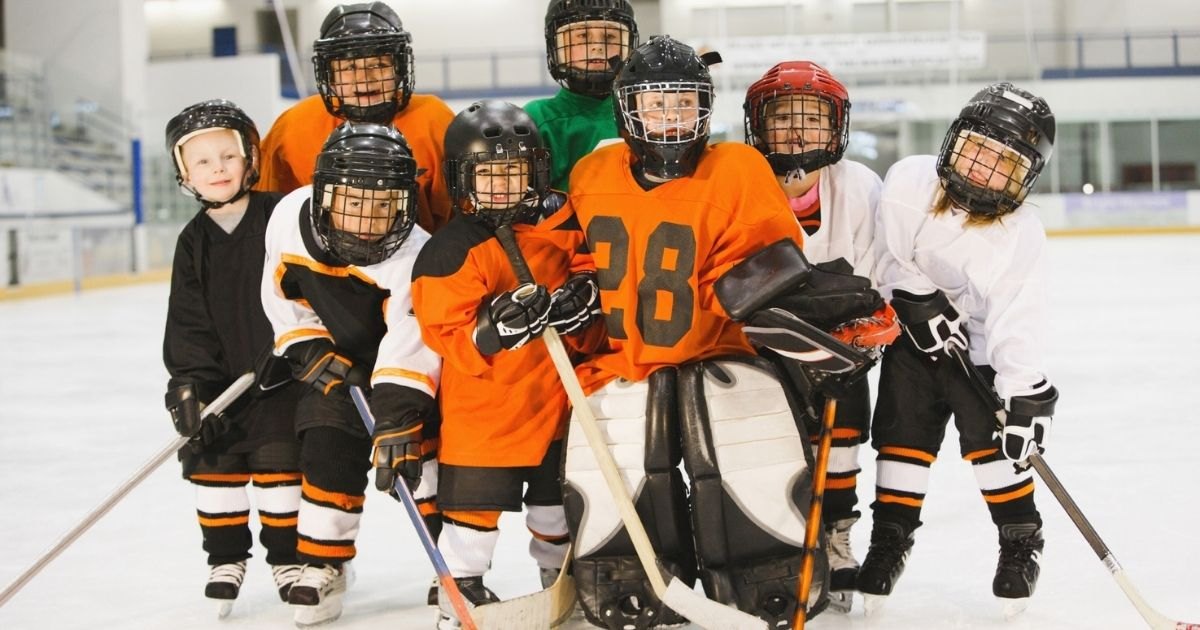
In a group task, one child may automatically take the floor, another starts organising the materials, and a third waits to be told what to do. If these roles never change, children can start to think that a “leader” makes the decisions while everyone else simply follows. A more useful lesson is that good teams need different roles, and those roles can change with the situation.
By ages 10 to 12, children can begin to consider not only their own task but also what the group needs as a whole. One task may call for a quick decision, another for listening to ideas, a third for encouraging a tired team, and a fourth for reliably completing an assigned part. The goal is not to turn every child into a “leader,” but to help them recognise how they can best support the team right now.
A team role is not a label for a child
If a child organises a group well once, that does not mean they have to be the organiser every time. Likewise, a quieter child does not have to remain an observer.
It is more helpful to think of roles as temporary ways of contributing. Sometimes a team needs someone to set a direction. At other times, it needs someone to bring different views together, notice a member who is being overlooked, or follow through on unfinished work.
Start by asking what the team needs
Before assigning tasks, try asking a simple question: “What is the biggest challenge for our team right now?” The answer could be that the group does not know how to begin, has too many ideas, is running out of time, has a member who is not taking part, or is dealing with a disagreement.
Only then should the group decide who will do what. This helps children see that roles should not be assigned simply according to popularity or who speaks the loudest.
| What is happening in the team | A useful way to contribute |
|---|---|
| The group does not know where to start | Suggest a first step and help make a plan |
| Everyone is pushing a different idea | Make space for people’s reasons and look for common ground |
| Time is running short | Set priorities and assign specific tasks |
| Someone is being left out | Bring them in with a question or a suitable task |
| The team is losing energy | Find out why and suggest a break, a change of pace, or encouragement |
Assign tasks with skills and workload in mind
The simple rule “give it to whoever is best at it” can work in the short term, but repeating it has a downside. The most capable team member may keep taking on more work, while others get fewer chances to practise.
When dividing tasks, consider two things: who has skills that suit the task, and whether the workload is fair. For example, if one member can handle a more physically demanding part, others can take on different responsibilities. If someone is good at presenting, they do not have to speak for the group in every project.
These questions can help:
- Who has experience with this task?
- Who would benefit from practising it?
- Who already has a lot to do?
- Can we split the challenging task or take turns doing it?
This helps the team make use of its strengths without turning them into an obligation to do the same thing every time.
Anyone with the clearest view can lead for a while
Some situations call for a team to make decisions more quickly. That does not mean there has to be one permanent leader. For part of a task, the person with the best overview or most relevant experience can take the lead.
In a logic task, a child who is good at organising possibilities might lead. During a construction activity, the person who understands the structure could coordinate. For a presentation, leadership might shift to the person keeping track of the timing and order of contributions.
Listening is an active team role
A child may feel that they only contribute when they come up with an idea of their own. In fact, a team can also benefit from someone who helps others explain their views and notices where suggestions overlap.
This role is not simply staying quiet. Active listening can include:
- summarising two different suggestions in your own words,
- asking where the suggestions agree,
- checking that everyone has had a chance to share their view,
- pointing out a question the team has not resolved yet.
This helps children see that influence in a team does not come only from loudly pushing for your own idea.
A supporter does more than cheer everyone on
When a team loses energy, encouragement is often the automatic response. But sometimes the problem is not a lack of motivation. It may be tiredness, an unclear task, or the feeling that the work will never end.
Support can start with the question: “What is making it hardest for us to keep going right now?” The answer might point to taking a short break, simplifying the task, redistributing the work, or clarifying the next step.
Children learn that supporting a team does not mean pressuring others to feel enthusiastic. It is more useful to notice what is causing the problem and respond to it.
A child does not have to referee every conflict
When two team members argue, a third child may feel they have to decide straight away who is right. But that is not always necessary. Sometimes it is enough to give both sides a chance to briefly explain their view, then return to what the team needs to resolve.
A practical approach has four steps:
- Stop personal attacks: Bring the conversation back to the problem.
- Hear both sides: Do this without immediately choosing a winner.
- Name the shared goal: What does the team still need to finish?
- Choose a next step: Try a compromise, test one option, or take a short break.
If a conflict goes beyond an ordinary disagreement, continues over time, or turns into humiliation or pressure, involving an adult is appropriate.
Observation only helps when it can lead to action
Some children naturally prefer to watch what is happening and think it through. This can be a valuable team role. The problem arises when observing becomes a way to avoid responsibility.
An observer can help the team by noticing a recurring problem, keeping track of time, checking that no part of the instructions has been forgotten, or pointing out that someone is not taking part.
Good observation should lead to useful information or action. If a child is only waiting for others to make decisions, they are not yet playing a fully active team role.
After a setback, examine how the team worked, not who is to blame
After losing a game or having a project go wrong, it is easy to look for the person who made a mistake. For learning, it is more useful to review the whole process.
The group can ask four questions:
- What worked well?
- Where did we lose time or information?
- Were the roles divided fairly?
- Which role or responsibility would we change next time?
This kind of reflection helps children understand that a setback does not mean someone is a “bad team player.” Sometimes the problem was how the work was divided, how the group communicated, or the timing.
Practise switching roles within one activity
You do not need a complicated programme to practise. A single group activity can be enough if children deliberately switch roles.
For example, while building a tower or solving a puzzle, divide the activity into three short stages. In each stage, one child coordinates, another keeps track of time, and a third checks that everyone has had a chance to share ideas. Then switch roles.
Afterwards, do not ask only who was the best leader. These questions are more useful:
- Which role felt easiest for you?
- Which one was challenging?
- When did the team need more decisiveness, and when did it need more listening?
- Which role change improved the result?
Adults should not assign roles based on a child’s personality
If an adult repeatedly says, “You’re outgoing, so you’ll present,” or “You’re calm, so you’ll take notes,” they may unintentionally reinforce the same division of roles.
It is better to start with the task at hand while also making room for children to try something new. A child who often organises can take the listening role for once. A quieter child can lead a short part they know well.
Not every child has to be equally comfortable in every role. The aim is to broaden the ways children can contribute, not to erase their natural differences.
A simple routine before any team activity
Before a project, game, or shared problem-solving task, you can use this quick framework, which takes only a few minutes:
- Name the goal: What should the team achieve by the end?
- Identify the needs: What is likely to be the hardest part?
- Assign initial roles: Consider skills, workload, and willingness to try.
- Agree on a check-in point: When will you see whether the arrangement is working?
- Change roles if needed: Make sure a change does not feel like a punishment or a failure.
- Review the teamwork at the end: Focus on what helped the team, not only on who performed best individually.
Over time, children can learn that teamwork is not a competition to become the leader. It means noticing the shared goal, adapting your role to the situation, and being able to lead at times, listen at others, offer support, or reliably complete your part.


