
Collaboration and social environment
Utforska hur samarbeten, sociala miljöer och psykologisk trygghet främjar mångfald, rättvisa och starka relationer inom team och nätverk.

Relationships

Human resources

Teamwork
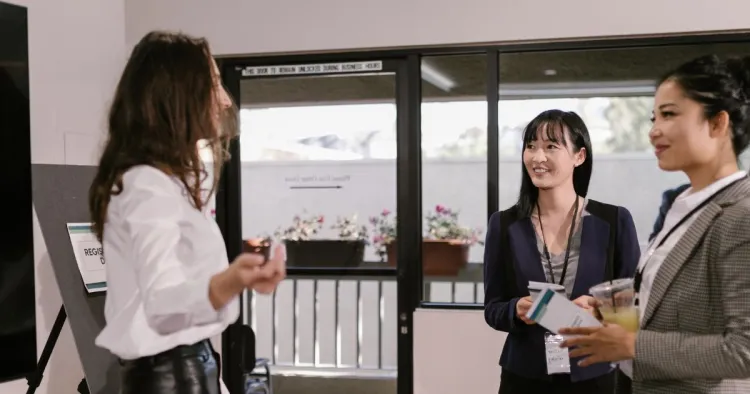
Collaboration and networking

Age diversity

Fairness

Psychological safety

Third place

Team boundaries
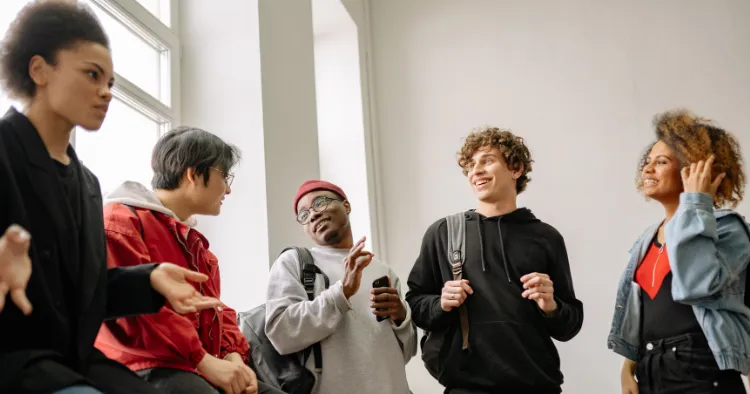
Interest community
Collaboration and social environment

In today's rapidly evolving work landscape, the significance of collaboration and social environment cannot be overstated. As organizations strive for innovation and efficiency, fostering a culture where collaboration thrives becomes essential. This article delves into the multifaceted aspects of collaboration and social environment, exploring concepts such as psychological safety, team boundaries, and the importance of diverse relationships within the workplace. By understanding these elements, organizations can create a conducive environment that not only enhances teamwork but also drives overall success.
The Importance of Collaboration in the Workplace
Collaboration is more than just a buzzword; it is a critical component of effective teamwork. In a world where problems are increasingly complex, the ability to work together towards a common goal is invaluable. Collaboration encourages the sharing of ideas, skills, and resources, leading to innovative solutions that would not be possible in isolation.
Interest Community: The Foundation of Collaboration
At the heart of effective collaboration lies the concept of an "interest community." This refers to a group of individuals who share common interests, goals, or values. In a workplace setting, fostering interest communities can enhance engagement and motivation among team members. When employees feel connected to a shared purpose, their willingness to collaborate increases, resulting in more productive and fulfilling work experiences.
Psychological Safety: The Key to Open Communication
Creating a psychologically safe environment is crucial for effective collaboration. Psychological safety allows team members to express their thoughts, ideas, and concerns without fear of judgment or repercussion. When employees feel safe to voice their opinions, it leads to open communication and a culture of trust.
- Encourages risk-taking and innovation
- Facilitates constructive feedback
- Promotes a sense of belonging
Organizations can foster psychological safety by encouraging open dialogue, actively listening to employees, and recognizing contributions without criticism. This not only enhances collaboration but also boosts employee morale and retention.
Defining Team Boundaries: Balancing Collaboration and Independence
While collaboration is vital, it is equally important to establish clear team boundaries. Team boundaries help delineate roles and responsibilities, ensuring that collaboration does not lead to confusion or overlap. Defining these boundaries allows team members to work independently while still contributing to the collective goal.
- Clarifies individual roles
- Reduces conflict and misunderstandings
- Enhances accountability
By finding the right balance between collaboration and independence, teams can operate more efficiently and effectively, leading to higher levels of productivity.
The Concept of a Third Place
The notion of a "third place"—a social environment separate from home and work—plays a significant role in fostering collaboration and community. Third places, such as cafes, libraries, or parks, provide informal settings where individuals can gather, share ideas, and collaborate outside the confines of their official workspaces. These environments can spark creativity and facilitate networking opportunities.
Building Relationships: The Heart of Collaboration
Relationships are the cornerstone of collaboration. Strong interpersonal connections among team members lead to increased trust, better communication, and a more cohesive work environment. Organizations must prioritize relationship-building activities, such as team-building exercises and social events, to strengthen bonds among employees.
- Encourages collaboration across departments
- Fosters a sense of community
- Enhances employee satisfaction and retention
By investing in relationship-building initiatives, organizations can create a collaborative culture that not only enhances productivity but also contributes to employee well-being.
Fairness and Age Diversity in Teams
In the pursuit of collaboration, fairness and age diversity are critical factors that organizations must address. Fairness in the workplace ensures that all employees feel valued and respected, regardless of their background or experience. This sense of equity fosters a culture of collaboration and encourages diverse perspectives, which can lead to more innovative solutions.
Embracing Age Diversity
Age diversity within teams brings a wealth of experience and perspective, enriching the collaborative process. Different age groups offer varying insights and approaches to problem-solving, allowing teams to tackle challenges from multiple angles. Organizations should actively promote age diversity by creating inclusive hiring practices and fostering mentorship programs that encourage knowledge sharing between generations.
Collaboration and Networking: Expanding Horizons
Networking is an essential aspect of collaboration. Building a network of contacts both within and outside the organization can provide valuable resources, knowledge, and opportunities for collaboration. Encouraging employees to engage in networking activities can lead to new partnerships, innovative ideas, and enhanced collaboration across different teams and departments.
The Role of Human Resources in Promoting Collaboration
Human resources (HR) plays a pivotal role in fostering collaboration within organizations. HR professionals can implement strategies and initiatives that promote a collaborative culture, such as:
- Developing training programs focused on teamwork and collaboration skills
- Facilitating communication and collaboration tools
- Encouraging employee feedback and involvement in decision-making processes
By prioritizing collaboration, HR can help create a positive work environment where employees feel empowered to work together towards common goals.
Conclusion: Cultivating a Collaborative Culture
In conclusion, the interplay between collaboration and social environment is crucial for organizational success. By understanding the importance of psychological safety, establishing clear team boundaries, embracing age diversity, and fostering relationships, organizations can create a culture that promotes effective collaboration. As we move forward in an increasingly interconnected world, the ability to work together harmoniously will be a defining factor for success. Organizations that prioritize collaboration and cultivate a supportive social environment will not only enhance productivity but also create a workplace where employees thrive.
FAQ – Frequently asked questions: collaboration and social environment
An interest community is a group of individuals who share common interests or goals. Such communities foster collaboration by creating a sense of belonging, which encourages members to share ideas and resources. Engaging in interest communities can enhance creativity and innovation within teams.
Psychological safety refers to an environment where team members feel safe to express their thoughts and concerns without fear of negative consequences. This fosters open communication, allowing teams to collaborate more effectively and address challenges proactively. To enhance psychological safety, leaders should encourage feedback and actively listen to team members.
Team boundaries define the limits of collaboration and responsibilities within a group. Establishing clear boundaries helps prevent conflicts and overlaps in roles, ensuring that all members understand their contributions. This clarity promotes accountability and enhances overall team performance.
A 'third place' is a social setting outside of home and work where individuals can gather and interact. These informal environments encourage networking and relationship-building, which can enhance collaboration by providing a relaxed atmosphere for idea exchange. Consider organizing team outings in such spaces to strengthen bonds.
Fairness involves equitable treatment and opportunities for all team members. When team members perceive fairness, they are more likely to engage actively and contribute to collaborative efforts. Implementing transparent processes for decision-making and recognition can foster a fair environment.
Age diversity brings a variety of perspectives and experiences to a team, enriching discussions and problem-solving. Different age groups can complement each other’s strengths, leading to more innovative solutions. Emphasizing inclusivity in hiring practices can enhance age diversity within teams.
Effective collaboration and networking can be achieved through regular team meetings, team-building activities, and utilizing collaboration tools. Encouraging informal interactions, such as coffee breaks or social events, can also strengthen relationships and enhance network connections. Always be open to sharing knowledge and resources.
Human resources can foster a positive social environment by implementing programs that promote inclusion, diversity, and employee well-being. Providing training on effective communication and conflict resolution can also enhance interpersonal relationships. Regular feedback and employee engagement surveys can help HR identify and address social environment issues.
Strong relationships among team members are crucial for effective teamwork as they build trust and facilitate communication. When team members feel connected, they are more likely to collaborate willingly and support each other. Investing time in team-building activities can strengthen these relationships.