
Creativity and innovation
Utforska kreativitet och innovation genom kreativa utmaningar, visual journals, storytelling och DIY-projekt som inspirerar och utvecklar ditt skapande.
Creativity
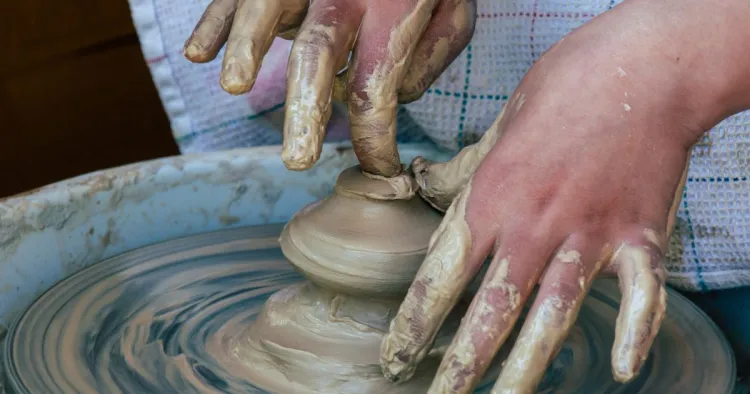
Hobby

Inspiration and creativity
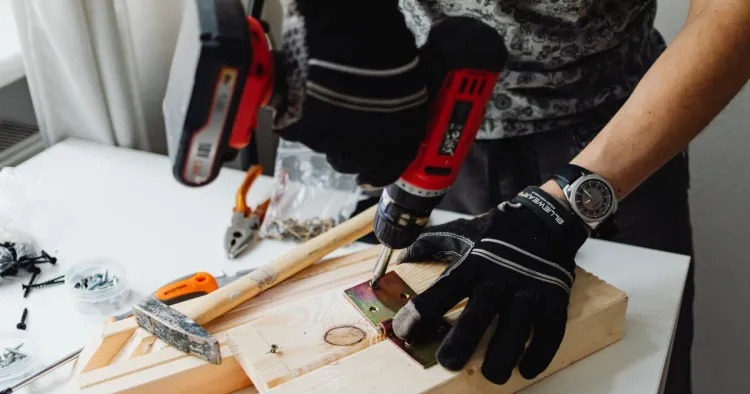
DIY projects

Design thinking
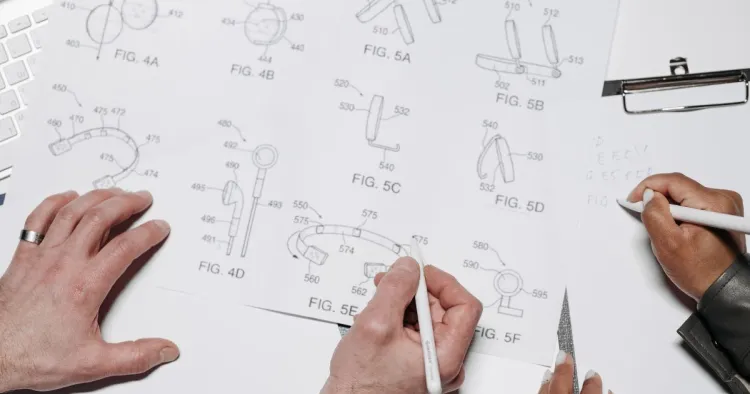
Prototyping

Craft creativity

Storytelling

Creative writing

Visual journals
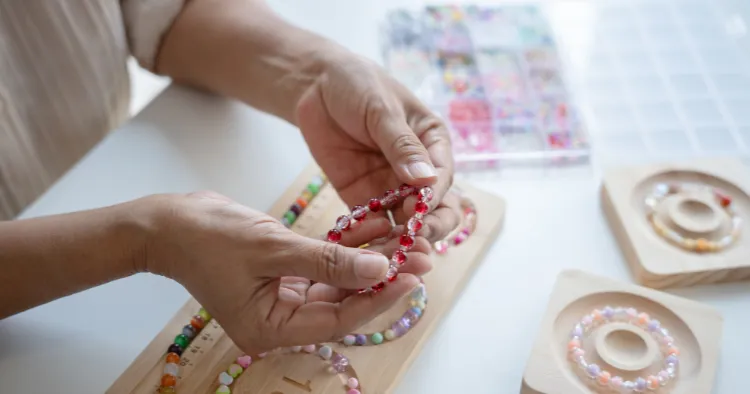
Intention in hobby

Creative challenges
Creativity and innovation

In today's rapidly changing world, creativity and innovation have become more than just buzzwords; they are essential skills that drive progress and inspire change. From the arts to technology, the ability to think creatively and innovate has never been more critical. Whether you are an artist, a business professional, or simply someone looking to enhance your hobby, tapping into your creative potential can lead to remarkable outcomes. In this article, we will delve into various aspects of creativity and innovation, exploring creative challenges, the role of intention in hobbies, the power of visual journals, and much more.
Understanding Creativity and Innovation
Creativity is often defined as the ability to generate new ideas, concepts, or solutions that are both original and valuable. It involves thinking outside the box, breaking away from traditional patterns, and embracing new perspectives. Innovation, on the other hand, is the implementation of these creative ideas into practical applications that can improve processes, products, or services. Together, creativity and innovation drive growth, foster collaboration, and enhance problem-solving capabilities.
Creative Challenges: Pushing Boundaries
One of the most effective ways to stimulate creativity is through creative challenges. These challenges can take many forms, from daily writing prompts to art competitions, and they encourage individuals to step outside their comfort zones. Engaging in creative challenges not only helps to spark new ideas but also fosters a sense of community among participants.
- Daily Prompts: Simple tasks like writing a haiku or sketching an object can ignite your imagination.
- Collaboration: Team challenges promote brainstorming and diverse perspectives.
- Time Constraints: Limiting time encourages quick thinking and reduces overthinking.
The Role of Intention in Hobbies
Hobbies are often seen as leisurely activities, but they can also serve as a powerful outlet for creativity. The intention behind engaging in a hobby can significantly enhance the creative experience. When individuals approach their hobbies with a clear purpose—whether it’s relaxation, self-expression, or skill development—they are more likely to experience a deeper connection to their creative work.
- Mindfulness: Being present in the moment can enhance the enjoyment and outcome of the activity.
- Goal Setting: Setting specific goals can provide direction and motivation.
- Exploration: Trying new techniques or mediums can lead to unexpected discoveries.
Visual Journals: Capturing Inspiration
Visual journaling is a powerful tool for fostering creativity. By combining images, sketches, and written words, visual journals allow individuals to capture their thoughts, feelings, and inspirations in a tangible form. This practice not only serves as a creative outlet but also as a means of reflecting on personal growth.
- Artistic Expression: Visual elements can communicate emotions that words may fail to express.
- Documentation: Journals serve as a record of ideas and experiences, providing insights over time.
- Therapeutic Benefits: The act of journaling can be a form of self-care, promoting mental well-being.
Creative Writing and Storytelling
Creative writing is an essential avenue for expressing thoughts and ideas. It encompasses various forms, including poetry, fiction, and non-fiction. Storytelling, in particular, is a timeless art that transcends cultures and generations. It allows individuals to share experiences, convey messages, and connect with others on an emotional level.
- Character Development: Creating relatable characters can engage readers and evoke empathy.
- Plot Structure: Understanding narrative arcs can enhance storytelling techniques.
- Personal Narratives: Sharing personal stories can foster authenticity and connection.
Craft Creativity: The Joy of Making
Crafting is a hands-on approach to creativity that involves creating tangible objects from various materials. Whether it's knitting, woodworking, or pottery, crafting allows individuals to express their creativity while honing their skills. The process of making something with your hands can be incredibly fulfilling and serves as a form of mindfulness.
- Skill Development: Crafting helps build fine motor skills and enhances problem-solving abilities.
- Community Engagement: Craft groups foster collaboration and sharing of ideas.
- Personal Satisfaction: Completing a craft project can boost self-esteem and provide a sense of achievement.
Prototyping: Bringing Ideas to Life
In the realm of innovation, prototyping is a crucial step in the design process. It involves creating a preliminary model of a product or concept to test and refine ideas before full-scale implementation. Prototyping encourages experimentation and allows for feedback, which is essential for successful innovation.
- Iterative Process: Prototyping is an ongoing cycle of testing and improving.
- Visual Representation: A prototype provides a tangible way to communicate ideas to stakeholders.
- Risk Mitigation: Testing concepts early can help identify potential issues before launch.
Design Thinking: A Creative Approach to Problem Solving
Design thinking is a human-centered approach to innovation that emphasizes empathy, collaboration, and experimentation. It involves understanding the needs of end-users and iteratively developing solutions that address those needs. This methodology is widely used in various fields, from product design to education, and promotes a culture of creativity and innovation.
- Empathy: Understanding the user's perspective is crucial for creating effective solutions.
- Ideation: Brainstorming multiple ideas encourages creative thinking.
- Testing and Feedback: Iterative testing allows for continuous improvement of ideas.
DIY Projects: Empowering Creativity
Do-It-Yourself (DIY) projects provide an excellent opportunity for individuals to express their creativity while learning new skills. From home decor to crafting gifts, DIY projects encourage resourcefulness and innovation. They allow individuals to take control of their creative process and produce unique, personalized items.
- Resourcefulness: DIY encourages finding creative solutions with available materials.
- Customization: Personalizing projects allows for self-expression and individuality.
- Community Sharing: Sharing DIY projects can inspire others and foster collaboration.
Finding Inspiration and Nurturing Creativity
Inspiration can come from various sources, including nature, art, literature, and everyday life. Nurturing creativity involves cultivating an environment that encourages exploration and experimentation. Here are some tips to enhance your creative journey:
- Stay Curious: Always seek to learn and explore new ideas and perspectives.
- Surround Yourself with Creativity: Engage with creative individuals and communities.
- Embrace Failure: View setbacks as opportunities for growth and learning.
Conclusion
Creativity and innovation are vital components of personal and professional growth. By embracing creative challenges, setting intentions in hobbies, utilizing visual journals, and engaging in activities like creative writing and crafting, individuals can unlock their creative potential. Prototyping and design thinking further enhance the ability to bring innovative ideas to life. Ultimately, the journey of creativity is unique to each individual, and by nurturing this skill, we can contribute to a more innovative and inspired world.
FAQ – Frequently asked questions: creativity and innovation
Consider setting daily prompts that require you to create something new each day, such as a sketch, a short story, or a poem. You can also join online creative challenges like Inktober for drawing or NaNoWriMo for writing, which provide structure and community support.
Reflect on what aspects of your hobby bring you joy and fulfillment. Set specific goals, whether it's improving a skill or completing a project, to help you focus your efforts and enhance your overall enjoyment.
A visual journal combines words and images to express thoughts and ideas creatively. Start by dedicating a notebook to your journal, and fill it with sketches, collages, and written reflections that inspire you or document your daily life.
Creative writing exercises, like character development and plot outlining, help you understand narrative structure and character arcs. Regular practice enhances your ability to craft engaging stories and develop unique voices for your characters.
Focus on creating relatable characters and a compelling conflict that drives the narrative. Use descriptive language to paint vivid imagery and consider incorporating elements like dialogue and pacing to maintain reader interest.
Experiment with different materials and techniques to break out of your comfort zone. Attend workshops or collaborate with other crafters to gain new perspectives and ideas that can inspire your projects.
Prototyping involves creating a preliminary model of your idea to test its viability. This iterative process encourages experimentation and innovation, allowing you to refine your concepts based on feedback and practical insights.
Design thinking is a problem-solving approach that emphasizes empathy, ideation, and testing. Start by understanding the needs of your audience, brainstorm creative solutions, and prototype your ideas to iterate based on user feedback.
Consider starting with simple projects like making homemade candles, creating wall art, or upcycling furniture. These projects allow you to explore your creativity while also producing something tangible and useful.
Explore art galleries, read books, or follow creative influencers on social media to immerse yourself in diverse ideas. Additionally, nature walks or visiting local markets can provide fresh perspectives and ignite your imagination.
Engaging in hobbies allows you to explore your interests without the pressure of performance, fostering a playful mindset that can enhance creativity. Regularly practicing a hobby can also improve your problem-solving skills and boost overall confidence in your creative abilities.
Creativity enriches our daily experiences by encouraging us to think outside the box and approach challenges with a fresh perspective. It enhances problem-solving skills, promotes emotional well-being, and can lead to greater satisfaction in both personal and professional realms.